



Parents Tested Baby Clothing: What Really Holds Up

Parents want baby clothes that are comfortable, durable, and easy to manage. This post covers what to look for when choosing parents-tested baby clothing, plus practical ways to check softness, fit, and washability right at home. You'll also get a simple checklist for everyday shopping. By the end, you'll feel a lot more confident buying pieces that can actually keep up with real baby life.
Updated: May 1, 2026
- Benefits and Reasons
- How to Test Baby Clothing at Home
- Materials and Fit Parents Actually Notice
- Washing, Durability, and Color Holding
- Comfort and Everyday Safety Checks
- Style That Works With Real Schedules
- Shopping Tips That Save Time
- A Simple Parents-Tested Strategy
- FAQ
Choosing clothes for a new baby can feel like a never-ending loop of laundry, quick changes, and "wait, why doesn't this fit anymore?" That's exactly why parents-tested baby clothing matters. When other caregivers have already stress-tested the fabric, the snaps, the comfort, you spend less time guessing and more time actually enjoying your day.
Here's what to look for, how to evaluate pieces in real life, and how to build a small wardrobe that genuinely holds up.
Parents tested baby clothing: the real benefits
If you've ever bought something that looked great online and felt scratchy the second it came out of the package, you already understand why parents-tested clothing matters. The biggest win is usually comfort. Babies can't tell you what feels off, so you're relying on patterns that show up again and again across other caregivers' experiences.
Comfort you can feel right away. Breathable fabrics and gentle seams tend to make diaper days a lot easier. When clothing feels genuinely soft against the skin, you deal with a lot less fussiness that traces straight back to the fabric.
Durability for messy routines. Baby clothes take a beating. Milk spills, spit-up, food smears, endless washes. Parents notice pretty fast which items keep their shape and which ones stretch out after just a few cycles.
Functional details that reduce stress. Snaps that don't fight you, roomy neck openings, closures that stay lined up, these matter way more than you'd expect. Small design choices make a real difference when you're changing a squirmy toddler or dressing a half-asleep newborn.
Better value over time. When fabric holds up and the fit stays consistent, you're buying fewer replacements. That's easier on the budget, and it's less clutter piling up in the drawers too.
How to test baby clothing at home
You don't need a lab to figure out what "good" actually feels like. You just need a quick, consistent routine. Here's a practical way to test a piece the way parents do, without overthinking it.
1. Do the skin test before the first wash
Put the clothing on your baby for a short stretch and see how it feels. Check the collar, cuffs, and any seam lines. If the fabric feels stiff, scratchy, or oddly warm, that's usually a sign it's not going to become a daily favorite.
2. Check closure behavior during a real change
Try the snaps or buttons with your baby slightly turned, the way it actually happens in real life. If the closure's hard to line up, it's going to be genuinely annoying the moment you're in a hurry. Good closures glide smoothly without needing extra force.
3. Wash it once, then inspect again
After the first wash, check for shrinking, warping, or color fading. A lot of parents treat that first wash as a truth moment, since it reveals exactly how the fabric handles everyday care.
4. Track the fit after one or two weeks
Babies move constantly, and fabric stretch can shift the fit fast. Pay attention to whether the neckline stays put and whether sleeves or legs start losing their shape.
If you're building out a wardrobe, it's worth browsing all baby essentials to compare how different fabrics hold up in day-to-day use.
Materials and fit parents actually notice
Most shopping advice talks about materials in vague terms, but parents tend to zero in on specifics: stretch, breathability, and how the clothing actually sits on the body.
Look for softness that stays soft. Fabric can feel great on day one and turn rough after a few washes. When you're aiming for parents-tested clothing, you're usually looking for cotton blends and gentle knits that keep that same calm feel after repeated laundry.
Prioritize easy neck and limb access. A lot of frustration comes from tight openings. A slightly wider neck makes dressing faster, especially for babies who really don't enjoy being threaded into an outfit. For footed styles, check whether the leg openings run snug.
Stretch should support, not just stretch out. Some fabrics need a little give for comfort and movement, but if everything turns loose after a few washes, you'll be constantly adjusting or replacing pieces. The sweet spot is stretch that moves with your baby and then actually bounces back.
If you want a simple place to compare styles, JustBaby Luv collections has options built for everyday wear.
Washing, durability, and color holding
Let's be honest, baby laundry isn't gentle. If clothing survives the wash and still looks good, it's earned its place in the rotation. Parents-tested clothing tends to win here because caregivers are looking for visible proof: less pilling, fewer loose threads, colors that hold.
Common durability red flags
- Fading after a single wash, if colors dull that fast, the item probably won't survive regular rotation
- Necklines or stretch that sag too much, that's a dealbreaker for daily wear
- Rough seams, even a small one can cause irritation over time
- Wrinkling that never relaxes, if you're smoothing out every outfit by hand, you'll feel that extra step
Care habits that help clothes last
Even a well-made garment depends on your care routine. Use gentle cycles where you can, skip the overly hot dryer settings, and follow whatever the label actually says. Small habits like these help clothing keep its shape and softness a lot longer.
Comfort and everyday safety checks
When we say "tested," we're not talking about risky DIY experiments. We mean the real-life checks parents actually do to make sure clothing is pleasant and practical to use.
Watch for irritation points. Check for tags, thick labels, or stiff spots near the neck. If your baby only seems to react when wearing one specific garment, the fabric or seam placement is probably the culprit.
Make sure closures are baby-friendly. Closures should be secure, easy to manage, and not stuck somewhere awkward. Snaps should feel steady, not sharp or oddly angled.
Think about movement. Dress your baby, then just watch. Can the arms and legs bend comfortably? Does anything ride up or pinch? Comfort isn't only about softness, it's about how the outfit behaves during play, naps, and diaper changes too.
Style that works with real schedules
Here's a common myth: comfortable clothes have to be boring. Not true. Parents usually want style that fits the day, whether that's a grocery run, a quick walk, or a full day at home.
Versatility beats overbuying. Start with basics that mix easily. Neutral colors and simple patterns cut down on decision fatigue. Then add a few fun pieces you can rotate in without turning your laundry schedule into chaos.
Layering makes outfits easier. Layers save you when the temperature shifts mid-day. A lightweight top works under or over other pieces depending on what's happening, and it makes quick changes after a spill a lot less stressful.
For inspiration, stylish baby clothes that make a statement is worth a read, then adapt the style to whatever's actually comfortable for your family.
Shopping tips that save time
Once you know what to look for, shopping gets a lot faster. Here are a few habits that help you choose with confidence.
1. Read reviews for patterns, not opinions. One review might just be a fluke. But repeated comments about softness, fit, or how something washes usually point to something real. When you're aiming for parents-tested clothing, scan for the themes that keep showing up.
2. Compare sizing against your baby's routine. Babies don't grow in a straight line, and different brands fit differently anyway. Think about your baby's current growth pace and how the outfit will hold up through diaper days and active play.
3. Buy fewer items, rotate more. Instead of grabbing ten random outfits, pick a smaller set you genuinely love. Rotate them so each piece gets real, practical use instead of sitting around for the occasional "pretty day."
A simple parents-tested strategy
Want a straightforward method you can repeat every time you shop? Use this loop:
- Choose softness first, comfort against the skin matters more than a perfect photo
- Check fit and closures, it should be easy to dress and stay in place
- Wash before you decide, most issues show up after that first wash
- Inspect after a few wears, look for pilling, sagging, and color changes
This approach builds confidence over time. You're basically turning shopping anxiety into a calm, repeatable routine.
Bonus: match clothing with practical routines
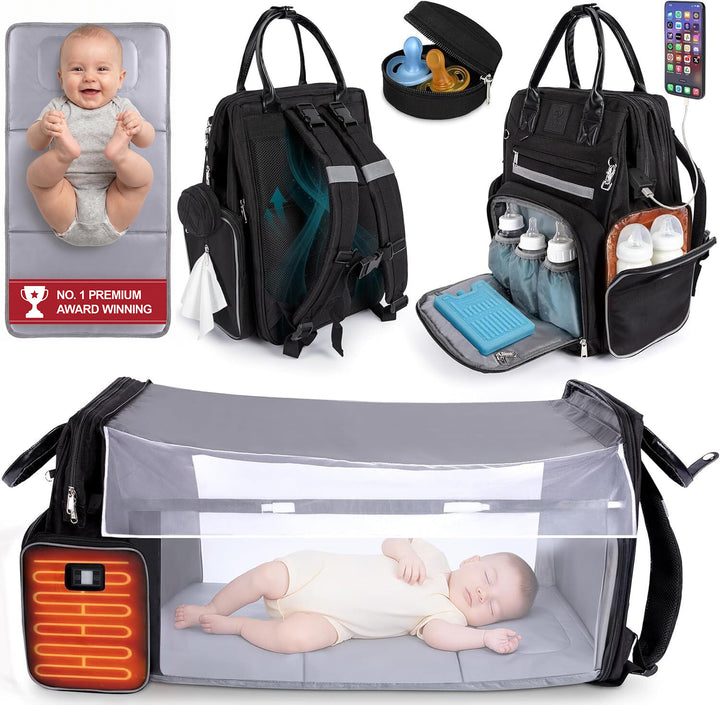
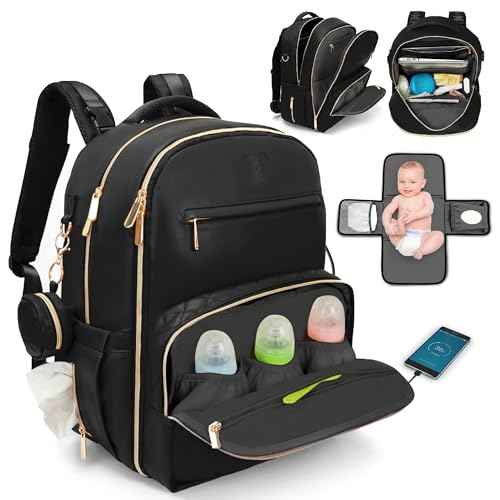
Clothes are only one part of the everyday flow. When the rest is planned too, a dedicated diaper bag, quick-access essentials, your outfits actually get worn more consistently and you spend less time scrambling. For ideas on convenient carrying and changing setups, check out an all-in-one diaper bag with changing station.
And if on-the-go power for devices is on your mind too, a solar power bank for travel days is worth a look. Not baby clothing, obviously, but it keeps your day moving when you're out longer than planned.
FAQ
What makes baby clothing "parents tested" instead of just advertised?
Parents-tested baby clothing reflects real caregiver experience: how soft the fabric feels after washing, whether the closures are easy to use, whether the fit holds up over time. Instead of leaning on marketing claims, it's built on repeated feedback from actual day-to-day routines.
How many washes should I do before I trust a new outfit?
A good rule of thumb: wash it at least once, then check how it holds up after a couple of wears. Watch for shrinkage, fading, pilling, and whether the neckline and hems keep their shape.
Are fitted or stretchy styles better for comfort?
Neither one is automatically better. The best choice is whatever lets your baby move comfortably without irritating seams or sagging too fast. Look for stretch that supports movement and a fit that actually stays put through diaper changes.
Disclaimer: This article is for general informational purposes only. It is not medical advice, and it does not replace the guidance on your baby’s specific needs or the care instructions on clothing labels. Always follow product label directions and consider your baby’s comfort and any sensitivities.
About the author
Ana Popescu – Mom, Former Daycare Owner & Early Childhood Expert
Ana is a mom of two, former daycare owner, and experienced school teacher. She specializes in early childhood care and development, offering practical advice on baby care, toddler behavior, and child growth. At JustBaby Luv, Ana combines her personal and professional expertise to support families and help them thrive in the early years.
The content in this blog post is intended for general information purposes only. It should not be considered as professional, medical, or legal advice. For specific guidance related to your situation, please consult a qualified professional. The store does not assume responsibility for any decisions made based on this information.