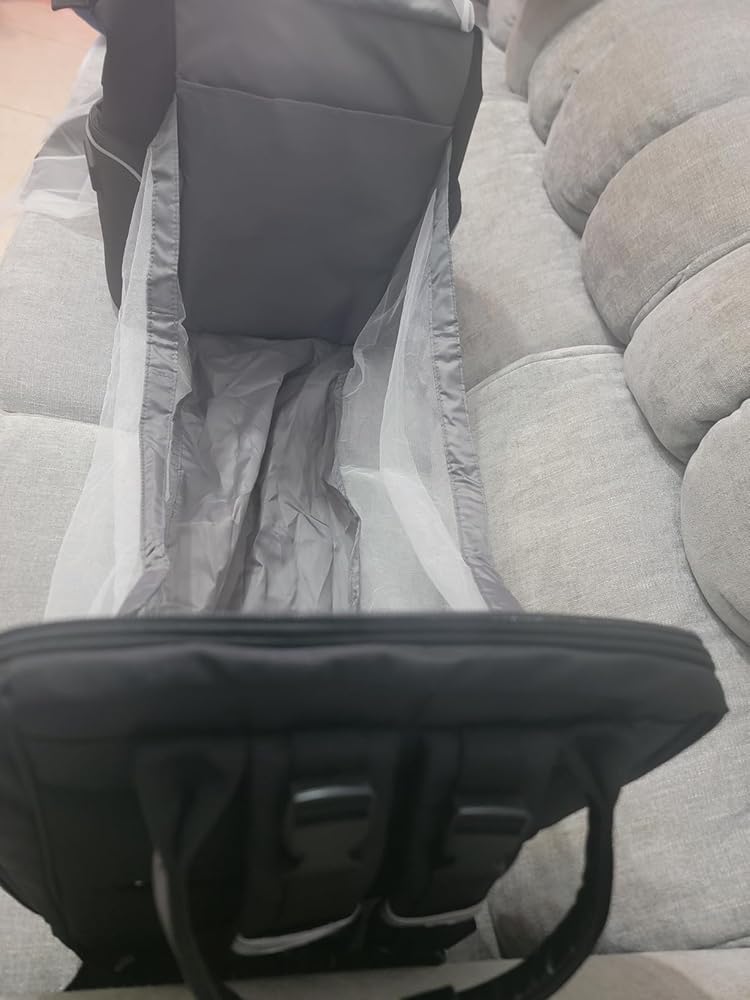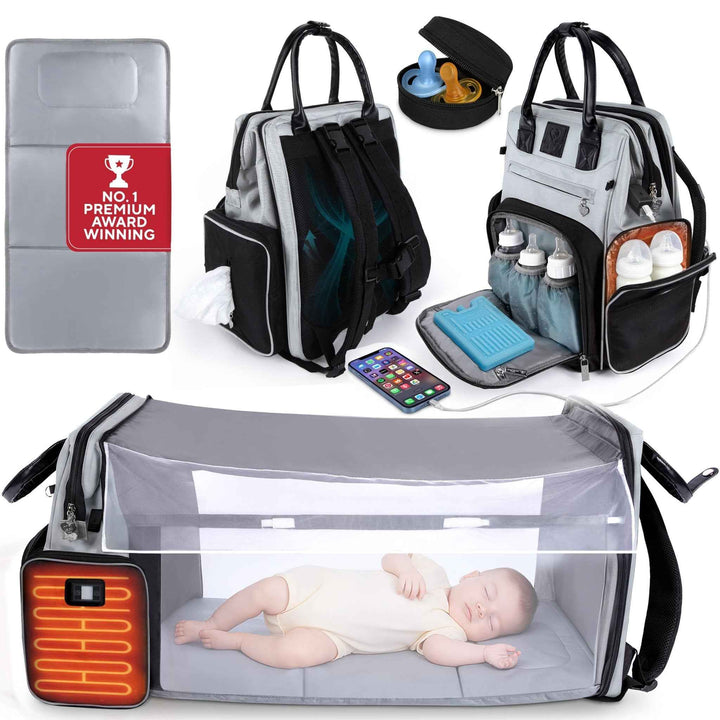

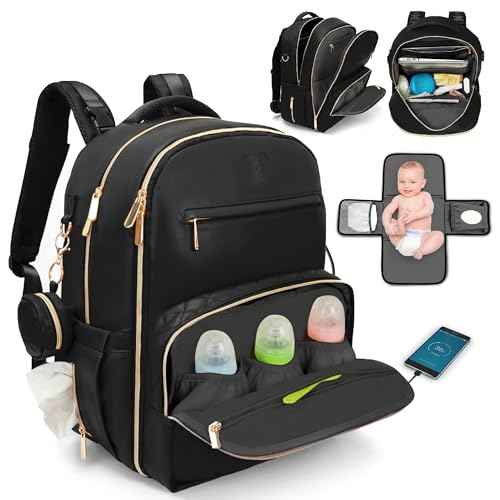

Diaper Bag for Travel Checklist for Stress Free Days

Updated on: 2026-07-15
Choosing the right diaper bag for travel improves comfort, reduces stress, and helps you stay organized in transit. A well-planned packing method ensures you have essentials within reach when schedules change. Smart compartment design lets you separate clean and used items for better hygiene. With a practical checklist and daily-use routines, you can travel more efficiently while keeping your baby prepared.
Introduction: Why a Diaper Bag for Travel Matters
A diaper bag for travel is more than a carrying solution. It is a mobile command center that supports smooth transitions between rides, meals, outings, and rest. When you travel, unexpected delays and changing environments are common. Preparation helps you respond quickly without rummaging through pockets or rearranging items at the last moment.
The most effective travel diaper bag strategy combines capacity, compartment design, and a packing system that matches your routine. In practice, this means you can locate wipes, diapers, and clean clothing quickly, keep used items controlled, and reduce clutter in shared spaces. When your bag is organized, you can focus on caregiving rather than logistics.
Essential Tips
- Choose a bag with structured compartments so items do not collapse into one pile.
- Prioritize quick-access zones for wipes, diapers, and a small hygiene kit.
- Separate clean supplies from used or soiled items using dedicated sections.
- Pack in layers: essentials first, then comfort add-ons, then bulk items.
- Confirm your travel plan: car-only, flights, road trips, or public transit all change what you need.
- Use lightweight pouches to group items by function and reduce searching.
- Plan for temperature changes with a spare layer and a compact cover.
- Include an emergency mini kit for minor issues such as spills or unexpected hunger.
Detailed Step-by-Step Process
Use the following process each time you prepare for a trip. It is designed to work for short outings and longer journeys without relying on guesswork.
Step 1: Define your trip length and feeding pattern
Estimate how many diaper changes and feeds you will need. Even if your schedule varies, having a baseline helps you pack with control. If you know you will be away during meal times, plan a consistent set of feeding essentials. If you will be out longer than expected, focus on items that prevent interruptions.
Step 2: Select a travel bag format that matches your movement
For mobility, many parents prefer a backpack or structured carry style because it keeps hands free. If you often use car seats and strollers, a stable bag that does not swing excessively improves access and comfort. When choosing a diaper backpack for travel, focus on strap comfort, opening layout, and whether compartments are easy to reach while standing or seated.
Step 3: Build a “core set” of daily necessities
Your core set should include diapers, wipes, diaper cream if needed, and a small bag for used items. Add a change of clothing and a spare bib or cover depending on your baby’s routine. Keep the core set together so you can refresh or adjust packing quickly.

Clear pouches symbolizing separated travel essentials
Step 4: Add category items using compact organizers
Group items into categories such as hygiene, feeding, clothing, and comfort. Use small zip bags or pouches for liquids, small accessories, and fragile items. This prevents leaks from spreading and reduces time spent searching inside the main compartment.
Step 5: Balance weight and accessibility
Do not over-pack bulk. Select only the sizes and quantities that fit your actual route. Place frequently used items in easy-to-reach areas, while less urgent items can go deeper. If the bag is designed with multiple sections, follow that structure rather than stacking items in a way that forces reshuffling.
Step 6: Perform a “grab test” before leaving
Simulate real conditions. Open the bag and locate wipes, a diaper, and a clean outfit without removing everything. If your items are hard to reach, reorganize immediately while you are still at home.
Step 7: Keep a restock plan for longer trips
For multi-day travel, plan how you will restock. If you cannot access the same supplies, prioritize versatile items. A small packable barrier for changing, for example, can help you manage surfaces without carrying large equipment.
Packing Checklist by Category
The goal of a packing checklist is to reduce omissions while avoiding excess. Use this breakdown to tailor your setup. Adjust quantities to your child’s age, routine, and the frequency of stops.
Diapers and hygiene
- Diapers in the quantity you estimate plus a small buffer
- Wipes and a method to keep them accessible
- Diaper cream or barrier product if part of your routine
- Hand sanitizer for caregivers
- Small bags for used wipes and disposable waste
- Small changeable liner or barrier for easier surface management
Clothing and protection
- One spare outfit as a baseline, plus an additional layer for longer trips
- Extra socks or mittens based on weather
- Bib, burp cloth, or absorbent cover depending on feeding style
- Lightweight cover or wrap for comfort and sun protection
Feeding essentials
- Feeding items aligned with your routine
- Spare bib and wipes or cloth for quick cleanup
- Trash bag or sealed pouch for used items
- Portable cleaning method appropriate for your feeding gear
Comfort and sensory support
- Pacifier case if used, kept separate from other items
- Small comfort item for calming
- Seasonal layer for temperature shifts
- Simple toy or distraction for waiting periods
Caregiver organization
- Small pouch for keys, wallet, and documents so you do not dig through baby items
- Phone charger or portable power option if you rely on it for updates and navigation
- Basic first-aid items such as bandages and a small antiseptic wipe pack
If you prefer an organized approach that includes charging convenience, you can also review travel-ready accessories from solar power options for travel to support everyday device needs.
Bag Layout for Fast Access
A travel diaper bag succeeds when you can access what you need during a moment of urgency. Your layout should reflect how you operate under pressure: a diaper change sequence typically starts with wipes, then the diaper, then clothing, then cleanup.
Use zones rather than random storage
Create three zones: a “change zone,” a “cleanup zone,” and a “comfort zone.” The change zone holds diapers and wipes. The cleanup zone holds used item bags and barriers. The comfort zone holds spare clothing and calming items.
Keep the most-used items on top or in side access
Common failures happen when wipes are buried under clothing or feeding supplies. Side access compartments, if available, can reduce interruptions because you can retrieve wipes without removing the entire contents. This is particularly helpful when you are handling a stroller, standing in a queue, or managing a car seat installation.
Separate clean and used areas clearly
Even with careful packing, leaks or spills can occur. Separation helps you contain mess and improves hygiene practices. When you use a designated used-items bag, the rest of your supplies stays clean and ready.
Consider a structured opening style
Some bags open flat like a clamshell, while others open from the top. For travel, a layout that provides a wide view can reduce time searching. When you choose a diaper backpack for travel, evaluate whether you can see and reach items efficiently with one hand.

Diagrams showing zones: access, cleanup, comfort segments
Travel Scenarios and Adjustments
Different travel environments demand different packing logic. Use scenario-based adjustments so your diaper bag for travel remains reliable across contexts.
Road trips
Road trips involve frequent stops and changing vehicle conditions. Keep wipes and diapers within easy reach from the passenger seat area. Use the center compartment for items you can access without leaving the car. Pack fewer bulk items and rely on quick restocks when possible.
For diapering on the go, prioritize a portable changing barrier and a waste system that closes securely. If you expect long stretches between stops, increase your small buffer of diapers and wipes.
Flights and terminals
Air travel increases the likelihood of delays. Pack your core set so you can complete a full diaper change quickly. Keep a spare outfit and bib in the most accessible compartment. Consider adding extra wipes to manage spills from unexpected feeding situations.
Do not rely on hotel or terminal restrooms having the supplies you need. Prepare for hygiene transitions and keep your used-item bags sealed.
Public transit and walking days
Walking days and public transit require hands-free access. Choose a carry style that stays stable when you move. Keep a compact comfort kit to support calm during crowded moments. Place frequently used items in a section that you can open while holding a stroller handle or supporting your child.
Weather changes
Temperature shifts can happen within the same trip. Pack a light layer and consider weather protection for your baby’s comfort. If you travel in hot climates, include a small plan to manage sweat and spills. If you travel in cooler environments, keep a spare warm layer accessible without digging.
For parents who prefer a multi-compartment backpack structure, exploring options from collection highlights can help you compare compartment layouts and everyday usability across designs.
Maintenance and Hygiene
Hygiene does not stop at packing. The way you clean and restock your bag determines how reliably it performs on future trips.
Clean after each major use
After travel days, check for crumbs, residue, or moisture. Wipe exterior surfaces with a suitable cleaner according to your bag material. If you use pouches, empty and refresh them so they remain ready for the next outing.
Refresh the used-items system
Used-item bags should not be reused across trips without cleaning and replacement. Keep the system consistent so your routine does not change under stress.
Restock at the same time each week
A repeatable restocking habit reduces errors. Keep a small “prep shelf” at home where you stage wipes, diapers, and spare clothing. When it is time to pack, you can assemble quickly and accurately.
Store the bag with airflow
If the bag is lightly damp after travel, allow it to dry before storing. Moisture can affect odor and material condition. Ensure compartments are dry so the bag remains pleasant to handle.
When you want broader guidance on selecting dependable baby essentials, you can explore eco-friendly baby essentials for product considerations that support everyday routines.
Summary & Takeaway
A diaper bag for travel supports calm caregiving when everything else is moving quickly. The most reliable approach combines a clear packing sequence, compartment zones for easy access, and scenario-based adjustments for road trips, walking days, and flights. By building a core set of essentials, organizing items by function, and using a consistent restocking routine, you can reduce omissions and save time during urgent moments.
If you want a travel setup that stays organized, focus on structured storage, fast-access compartments, and a practical system for separating clean and used items. With thoughtful preparation, your bag becomes a dependable tool that improves your travel experience.
Q&A
How many diapers should I pack for a trip?
Estimate diaper changes based on your planned time away and your baby’s routine. Add a small buffer for delays and unexpected extended stops. For most travel situations, a modest extra quantity prevents last-minute stress and helps you remain prepared.
What is the best way to keep wipes and diapers accessible?
Place wipes and diapers in your change zone, ideally in compartments that open easily and can be reached quickly. Consider side access or top access sections designed for frequent retrieval. Confirm access using a grab test before leaving home.
Should I pack a separate bag for used items?
Yes. A dedicated waste or used-item bag improves hygiene and reduces cross-contamination. Seal it securely after each use and replace it as needed. This practice makes the rest of your bag remain cleaner and more reliable.
How do I pack clothing to reduce mess during diaper changes?
Pack a spare outfit in an easily accessible section and keep a bib or burp cloth with it when feeding is likely. Use small pouches to separate items and prevent soiled materials from mixing with clean clothing. This reduces handling time when you need to change quickly.
Disclaimer: This article provides general organization and packing guidance for travel with infants. Individual needs vary by age, health, and routine. For product-specific instructions or safety considerations, follow manufacturer guidance and consult relevant professionals when appropriate.


Ana is a mom of two, former daycare owner, and experienced school teacher. She specializes in early childhood care and development, offering practical advice on baby care, toddler behavior, and child growth. At JustBaby LUV, Ana combines her personal and professional expertise to support families and help them thrive in the early years.
The content in this blog post is intended for general information purposes only. It should not be considered as professional, medical, or legal advice. For specific guidance related to your situation, please consult a qualified professional. The store does not assume responsibility for any decisions made based on this information.