



Diaper Bag with Changing Station – Smart Setup

A diaper bag with changing station combines transport and on-the-spot care in one organized system. It reduces the time you spend searching for essentials when you are away from home. With dedicated compartments, wipes, diapers, and a changing surface stay separated and ready. When you choose the right size, cleaning method, and storage layout, it supports a smoother daily routine.
New to this? Start with our guide to the best diaper bag with a changing station for the full picture.
Updated on: 2026-06-08
1. Practical Guide: How to Choose and Use a Diaper Bag With Changing Station
2. Key Advantages of a Diaper Bag With Changing Station
3. Summary & Next Steps
4. Q&A
Diaper Bag with Changing Station – Smart Setup
Choosing a diaper bag with a built-in changing station can genuinely change how outings, travel days, and quick errands feel. Instead of scrambling to grab items from three different places, you've got everything in one structured setup. A good changing station also just makes the whole process safer and cleaner when you're handling a diaper change somewhere other than your own home. This isn't about complexity. It's about reliable organization, easy access, and a setup that actually works when you need it to.
How to choose and use a diaper bag with a changing station
The right bag balances capacity, comfort, and how well it actually functions day to day. Pay attention to the changing surface itself, how the compartments are laid out, and whether you can move fast when time and space are both tight. Here's a framework to work through before you buy, and to keep in mind once you're using it.
1. Start with the changing station surface
Look for a station that opens smoothly and stays put on whatever surface you're working with. The best ones have a wipeable surface and secure attachment points so it doesn't slide around mid-change. If public restrooms or tight spaces are part of your routine, portability beats bulk every time. Something compact with a simple setup takes a lot of the stress out of moving between locations.
2. Check how the compartments are organized
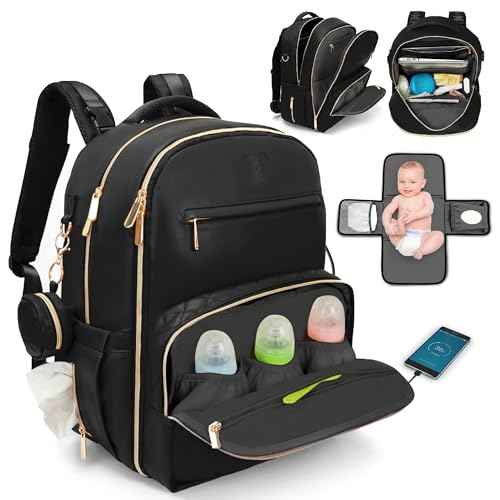
A changing station only helps if everything inside it actually makes sense. Look for separate sections for diapers, wipes, creams or protective items, and spare clothing, plus smaller pockets for the stuff you reach for constantly, like pacifiers, small toys, or keys. Good organization means less time digging around and refolding, and it also keeps clean and used items mentally (and physically) separate.
3. Match capacity to your typical outing
Think about how long you're usually gone and what you actually pack for feeding, extra clothes, and weather. Short errands don't need much. Longer trips benefit from deeper compartments and more storage, so you're not stuck carrying a second bag just in case. Get the capacity right, and the bag stays functional instead of feeling like an overstuffed suitcase.
4. Look at materials, cleaning, and odor control
Materials should wipe clean easily and hold up against everyday spills. Pay attention to wipe-clean surfaces in the high-contact areas, and how the changing station integrates with the rest of the bag's fabric. A well-made bag also limits odor buildup through airflow or removable, washable components. It doesn't need to be medical-grade, but it does need to be genuinely easy to keep clean.
Symbolic diagram of organized compartments and changing steps
5. Plan your packing order for speed
How you pack determines how smoothly the whole thing works in real life. Stick to a repeatable method: diapers and wipes go somewhere you can grab instantly once the station's open, clothes and spare layers get their own separate pocket, and small accessories live in dedicated slots. Once packing becomes second nature, you spend way less time sorting and way more time actually handling the change.
6. Do a practice run at home first
Even a simple changing station is worth testing before you're out in the wild with it. Run through opening it, laying it out, and closing it back up while you're still at home. That trial run tells you how the pockets open, how much surface space you actually get, and whether your packed items come out easily without you wrestling a zipper or overstretching the bag.
7. Keep the workflow simple in the moment
Once you're using it, keep things minimal and deliberate. Set the station somewhere stable first. Then line up your supplies in order: diapers, wipes, a clean outfit if needed. If there are accessory compartments, keep the small tools close by instead of buried somewhere else. When you're done, close everything back up and secure the bag so your supplies stay protected for whatever's next on the outing.
Why a diaper bag with changing station is worth it
Beyond just storage, a bag like this cuts down on friction in ways you actually feel during a busy day:
- Faster access to change-time essentials, thanks to dedicated compartments and a built-in workflow
- Less extra gear to carry, since you're not always hauling a separate changing pad
- More consistent hygiene, because wipes, diapers, and clean items follow a predictable layout
- Better use of tight spaces, whether that's a small restroom or a cramped waiting area
- More readiness for surprises, like an outing that runs longer than planned
- Smoother travel days overall, with everything organized in one structured spot
When you're actually shopping, compare bags based on how stable the station is, how accessible the pockets are, and how easy the whole thing is to clean. Curious what's out there? Browse JustBaby Luv essentials.
Matching the bag to your lifestyle
Every family's routine looks different. If you're constantly switching between the car and indoor spaces, look for a station that closes securely and packs up without a fight. If public restrooms are a regular stop, prioritize stability and wipe-clean surfaces above almost everything else. Traveling with a stroller? Pay attention to how the straps feel over a long carry, and whether the bag holds its shape instead of sagging under weight.
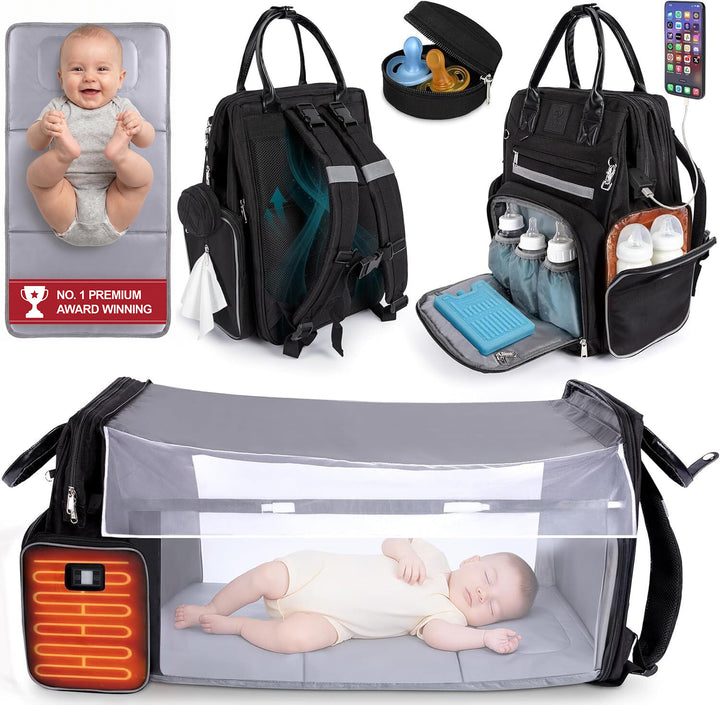
Some parents also want extra utility features built in. If multi-compartment organization and added practical touches matter to you, it's worth checking out something like the award-winning changing station backpack for a look at what's possible.
What to skip when shopping
Steer clear of bags that prioritize looks over function. Red flags include a changing surface that won't stay open securely, compartments that require digging to the bottom every time, or materials that are a pain to wipe down. Also think about whether the bag can handle your typical load without feeling lopsided. The best diaper bag with a changing station is one you'll use every day, not just for special trips.
Wrapping up
A diaper bag with a changing station is really about combining transport and change-time structure into one system that just works. The best ones get the surface design, compartment layout, and cleaning convenience all working together with your actual routine. Get that right, and you spend less time hunting for things and more time getting through the day calmly.
From here, shortlist a few options based on how stable the station is, whether the materials wipe clean, how accessible the compartments are, and whether the capacity fits your typical outing. Then check how it actually opens, closes, and holds up in practice. Want to compare styles side by side? Browse JustBaby Luv collections to find what fits your priorities.
This article provides general shopping and usage guidance only. It doesn't replace manufacturer instructions, safety recommendations, or professional advice. Always follow the specific guidance included with your product, and prioritize safe handling and appropriate hygiene practices for your child.
Q&A
What features matter most in a changing station diaper bag?
A stable, wipeable changing surface tops the list, along with compartment organization that gets you to diapers and wipes fast, and materials that are genuinely easy to clean. Look for secure opening and closing so it holds up in real-world spots like small bathrooms or busy waiting areas.
How should I pack a diaper bag with a changing station for quick changes?
Stick to a consistent order. Diapers and wipes go in the easiest-to-reach section near the station's opening, spare clothing gets its own pocket, and small accessories live in dedicated spots. That structure means you're grabbing what you need fast, not rummaging when space is tight.
Can I use a changing station bag for travel and long outings?
Yes, as long as the capacity matches your plans. Look for enough room for extra clothing, feeding essentials if needed, and weather-related adjustments. A practice setup at home before you travel goes a long way toward building confidence and speed for when you actually need it away from home.
About the author
Ana Popescu – Mom, Former Daycare Owner & Early Childhood Expert
Ana is a mom of two, former daycare owner, and experienced school teacher. She specializes in early childhood care and development, offering practical advice on baby care, toddler behavior, and child growth. At JustBaby Luv, Ana combines her personal and professional expertise to support families and help them thrive in the early years.
The content in this blog post is intended for general information purposes only. It should not be considered as professional, medical, or legal advice. For specific guidance related to your situation, please consult a qualified professional. The store does not assume responsibility for any decisions made based on this information.
Related reading
- Best diaper bag with changing station guide
- Diaper bag packing list by baby age
- How to organize a diaper bag with pouches
- Shop the JustBaby Luv smart diaper bag with changing station
Frequently asked questions
What is the best way to pack a diaper bag?
Group items by use: a diaper-and-wipes pouch, a clothes pouch and a feeding pouch. Keep the changing essentials in the most accessible pocket.
How many diapers should I carry?
A common rule is one diaper per hour you will be out, plus two or three spares. Adjust for your baby's age and how long you will be away.
How often should I restock the bag?
Restock when you get home rather than before you leave. It takes two minutes and means the bag is always ready to grab.