

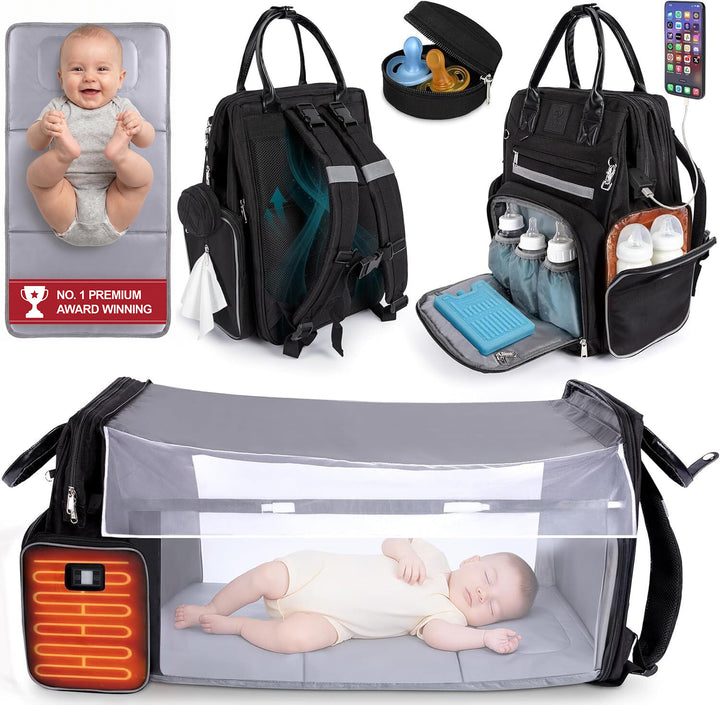

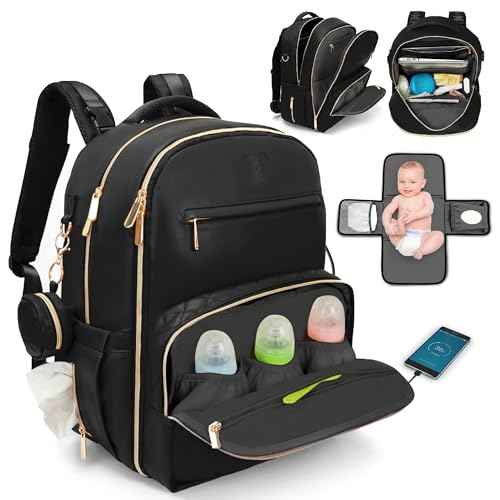

Master Diaper Bag Organization with Pouches: A Smart Parent's Guide

Let's be honest—that diaper bag is so much more than a place to stash diapers and wipes. It’s your mobile command center, the one thing that stands between you and a full-blown meltdown (yours or the baby's) when you're out and about. But before we get into the nitty-gritty of what to pack, let's change how we think about this essential piece of gear. A smartly packed diaper bag isn't just about being organized for the sake of it. It's about saving yourself from stress, frantic searching, and that sinking feeling of, "Ugh, I know I forgot something." This guide will help you build a core packing system you can tweak for any trip, whether it's a quick run to the store or a cross-country flight.
New to this? Start with our guide to the best diaper bag with a changing station for the full picture.
Key Takeaways
- Using pouches to create 'mini-departments' within your diaper bag makes finding items much faster and reduces stress.
- Establish zones in your bag based on how often you'll need items, keeping frequently used things easily accessible.
- Build a foundational 'everyday' diaper bag setup that you can easily adapt for longer trips or specific outings.
- Implement simple routines like color-coding pouches and weekly resets to maintain order and prevent clutter.
- Regularly cleaning your diaper bag and using a wet/dry bag for messes are important for hygiene and preventing spills.
Mastering Diaper Bag Organization with Pouches
The Power of Pouches for Diaper Bag Organization
Let's be honest, a diaper bag can quickly turn into a chaotic abyss. You know the feeling – frantically digging for a pacifier while your little one is having a full-blown meltdown, or realizing you packed three burp cloths but no diapers. It's a common parenting struggle, but there's a simple solution that makes a world of difference: pouches. Using pouches transforms your diaper bag from a bottomless pit into a well-organized command center. Think of your bag not as one big space, but as a collection of smaller, specialized kits. This approach means you can grab exactly what you need, when you need it, without emptying the entire bag onto a public restroom floor. It’s about creating order so you can feel more in control, especially during those high-stress moments.
Creating Mini-Departments Within Your Bag
Instead of just tossing items in, imagine creating distinct zones for different needs. This is where pouches really shine. You can designate one pouch for all things diapering – diapers, wipes, and rash cream. Another can be your feeding kit, holding bottles, snacks, and bibs. A third might be for a change of clothes, and yet another for your personal items like keys and a wallet. This system makes finding things incredibly fast. For example, when it's time for a diaper change, you just pull out the "Diapering Kit" pouch instead of rummaging through everything. It's like having a mini-filing system for your baby's gear. This makes packing and unpacking so much simpler, and it helps you see at a glance what you might be running low on. You can find some great starter sets of pouches designed specifically for this purpose, like the TiLegen Mom & Baby Organizer Set.
Why a System Beats a Simple Checklist
Sure, a checklist is helpful for remembering what to pack, but it doesn't solve the problem of where things are once they're in the bag. A system, especially one using pouches, is about accessibility and efficiency. You build muscle memory for where everything lives. This means that even when you're exhausted or in a rush, you can still find what you need. It's about creating a packing reflex, so prepping your bag becomes second nature. This structured approach means you're not just prepared; you're prepared smartly, saving you time and reducing stress on a daily basis. It’s the difference between a frantic search and a calm, collected response to your baby’s needs.
The goal isn't just to have a bag full of baby stuff, but to have a bag where everything has its place, ready for immediate use. This organization system is your secret weapon against the chaos of parenting on the go.
Building Your Everyday Diaper Bag Foundation
Think of your diaper bag as your mobile command center, the thing that keeps you from totally losing it when your little one decides to have a public meltdown. Getting this basic setup right means you're always ready to head out the door for those quick trips – a run to the park, a quick grocery stop, or even just grabbing coffee with a friend. Instead of just tossing everything in willy-nilly, we're going to create some "zones" inside your bag. This way, you can find exactly what you need in a flash, even if you've got a fussy baby on one hip. It’s not just about being neat; it’s about building a packing habit. Once this foundation is solid, getting ready for longer outings is just a matter of adding a few extra things, not starting from scratch.
The Diaper Duty Zone
This is your go-to spot, the area you'll probably reach for the most. Keeping these items together is a total game-changer.
- Diapers: Here’s a good rule of thumb: pack one diaper for every hour you think you'll be out, plus two extra just in case. Going out for three hours? Pack five diapers. It might seem like a lot, but trust me, you'll be super glad you have them when a surprise blowout happens.
- Wipes: A travel-sized pack is your best friend here. Look for ones with a snap-top closure; they help keep the wipes from drying out and are way easier to open with one hand.
- Diaper Cream: A small tube or a few single-use packets are perfect for this zone.
- Disposal Bags: Small plastic bags for dirty diapers or soiled clothes are a must.
This zone is all about quick access for those inevitable diaper changes. Having everything in one dedicated spot means you can grab your "diaper kit" pouch and head to the changing station without digging through the entire bag.
The Feeding Kit Essentials
This kit is for keeping your little one fueled and happy.
- Bottles/Sippy Cups: Make sure they're clean and ready to go.
- Formula/Snacks: Pre-portioned formula or easy-to-grab snacks for older babies and toddlers.
- Bibs: A couple of clean bibs are always a good idea.
- Burp Cloths: Even if your baby is past the major spit-up stage, a burp cloth can still be useful for messes.
The Parent Gear Zone
Don't forget about yourself! This zone is for your essentials.
- Wallet/Keys/Phone: Keep these secure and easy to find.
- Snacks for You: Because you need fuel too!
- Lip Balm/Hand Sanitizer: Small items that make a big difference.
- A Small Toy or Book: Something to distract your little one if needed.
Strategic Packing for Quick Access
Having the right gear is only half the battle; knowing how to organize it effectively is what transforms a stuffed bag into a functional diaper bag. You really don't want to be frantically dumping everything onto a public restroom floor while your baby melts down. The secret weapon? Organizing pouches. This simple strategy will change your life. Invest in clear storage bags or different-colored pouches to keep similar items grouped together. Think of it as creating mini-departments within your bag. One pouch becomes your diaper station with diapers, wipes, and rash cream. Another holds clean outfits and burp cloths. A third keeps snacks contained (because nobody wants crushed crackers coating everything). And don't forget a separate pouch for your personal items—your wallet and keys shouldn't be swimming in a sea of baby gear.
The Top-Down Packing Method
Once your kits are assembled, it's time to load the bag strategically. The "Top-Down" method is simple but incredibly effective. It’s all about accessibility based on urgency. Think about what you need in a hurry. Pacifiers? Wipes? Your keys? Those are your top-tier items.
- Bottom Layer: At the very bottom, place the items you'll use least often. This is the perfect spot for your spare outfit kit and maybe a larger blanket or nursing cover. They’re important to have, but you won’t need them in a split second.
- Middle Layer: This is for your main kits—the diapering pouch and the feeding pouch. They are still easy to get to but aren't needed with the same lightning speed as a pacifier that’s just fallen on the floor.
- Top Layer & Outer Pockets: This is prime real estate for your most critical, frequently used items. Wipes, pacifiers, a favorite teether, your phone, wallet, and keys should all go here. Make full use of those glorious exterior pockets!
Utilizing Outer Pockets for Frequent Items
Creating zones within your bag is equally important. The key is matching frequency of use with accessibility. Items you'll reach for constantly—like wipes, hand sanitizer, and pacifiers—belong in exterior pockets or the very top compartment. Less urgent items like your first-aid kit or extra clothes can live deeper in the bag. This thoughtful placement means you're not excavating through layers of stuff when you need something immediately. Features like outer pockets are highly valued by parents for quick changes on the go.
Before you even leave the house, do yourself a favor and pre-pack bottles and snacks. If you're using formula, measure the powder into a dispenser and fill bottles with water ahead of time. Portion out snacks into small containers. These few minutes of prep work at home will save you from juggling multiple tasks while your hungry baby protests loudly in public.
Accessibility Based on Urgency
The goal is simple: never again have to empty half your bag on a public changing table just to find the diaper cream. Strategic placement turns frantic searching into a calm, confident grab. This simple idea—immediate-need items in outer pockets, everything else inside—is the foundation of staying calm and organized when things get hectic.
Essential Pouches for Every Scenario
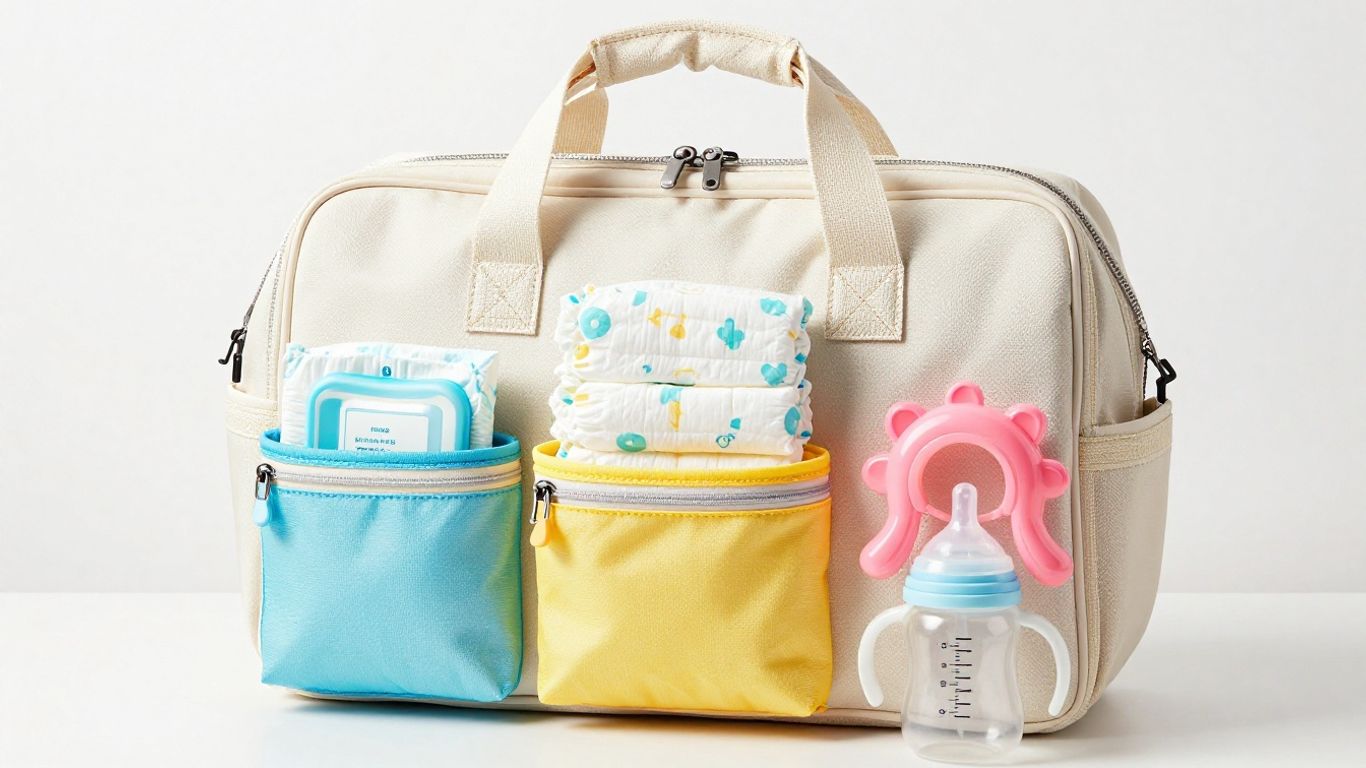
Think of your diaper bag less like a giant sack and more like a command center for smaller, specialized units. Using pouches, especially clear or brightly colored ones, is honestly the best trick for keeping everything neat and easy to find. Instead of a jumble, you get distinct areas for different needs. This makes grabbing what you need so much faster when you're out and about.
The Diapering Kit: Your Most-Used Pouch
This is the pouch you'll probably reach for the most. It needs to hold the absolute must-haves for a diaper change. I like to pack a few diapers (enough for a couple of changes, plus a spare), a travel-sized pack of wipes, a small tube of diaper cream, and a few plastic bags for the soiled items. When it's time to change a diaper, you just pull out this one pouch instead of rummaging through the whole bag. It's a game-changer, especially in a cramped public restroom.
The Feeding Kit: Snacks and Supplies
This pouch is for all things nourishment. For babies, it’s where bottles, pre-measured formula or pumped milk, a burp cloth, and any bottle accessories go. If you have a toddler, this is where you'll stash their favorite snacks, a spill-proof sippy cup, and a bib. Keeping snacks contained means fewer crumbs loose in the bag, and it makes mealtime prep much quicker.
The First-Aid/Clean-Up Kit
This little pouch is for those inevitable minor mishaps and boo-boos. Pack it with baby-safe hand sanitizer, a few antiseptic wipes, some kid-friendly bandages, infant pain reliever (just in case!), and maybe a small nasal aspirator. It’s good to have these things ready to go without having to dig through everything else.
The Spare Clothes Kit
Diaper blowouts happen. It’s a fact of parenting. So, having a spare outfit is non-negotiable. Roll up a complete change of clothes – think onesie, pants, and socks – and keep it in its own pouch or a wet/dry bag. This keeps it clean, compact, and ready for any wardrobe emergency. It’s also handy for unexpected spills or messes that aren’t diaper-related.
Having these pre-packed kits means that when you get home, you don't have to repack the entire diaper bag. You just restock the specific pouch you used. It saves so much time and mental energy.
Here’s a quick look at what goes into each kit:
| Pouch Type | Contents |
|---|---|
| Diapering Kit | Diapers, travel wipes, diaper cream, disposal bags |
| Feeding Kit | Bottles, formula/milk, snacks, sippy cup, bib, burp cloth |
| First-Aid/Clean-Up | Hand sanitizer, antiseptic wipes, bandages, pain reliever, nasal aspirator |
| Spare Clothes Kit | Full outfit (onesie, pants, socks), wet/dry bag |
Adapting Your Pack for Different Outings
Adjusting Supplies for Duration and Destination
Once you've got your everyday diaper bag setup down pat, you're in a good place. But let's be honest, no two days with a little one are ever the same. A quick trip to the grocery store needs a totally different set of gear than a full day at the park or, the ultimate test, a long car ride.
The trick to a well-packed bag isn't just stuffing more stuff in for longer trips. That just leads to a sore shoulder and a jumbled mess. The real smart move is to thoughtfully change what you carry based on where you're going and for how long.
The Minimalist Approach for Short Trips
For those quick errands, like a run to the post office or a short coffee date, you don't need the whole nursery in your bag. Think about the absolute must-haves. A few diapers, a small pack of wipes, maybe one snack, and your keys and wallet. You can probably fit this into a smaller pouch or even just the main compartment of your bag if it's well-organized. The goal here is to be prepared but not weighed down. It’s about having the immediate-need items ready without the bulk.
Packing for Extended Travel
When you're heading out for a full day, like a trip to the zoo or a long visit with family, you'll need to scale up. This is where your pouch system really shines. You'll want to pack more diapers – a good rule of thumb is one per hour you plan to be out, plus a couple extra for good measure. Bring a larger pack of wipes, and definitely pack more snacks and drinks. Don't forget at least two changes of clothes, because you never know when a "wardrobe malfunction" might happen. For longer outings, consider packing a small first-aid kit with band-aids and antiseptic wipes. Having a diapering kit ready to go makes these longer days much smoother.
Here’s a quick look at how your packing might change:
| Item Category | Quick Errand (1-3 Hours) | Full Day Out (4-8+ Hours) |
|---|---|---|
| Diapering | 2-3 diapers, small wipes | 8+ diapers, full wipes |
| Clothing | 1 spare outfit | 2-3 spare outfits |
| Feeding | 1 snack, water bottle | Multiple snacks, drinks |
| Entertainment | 1 small toy | 3-4 varied toys/books |
The key is to adjust quantities and add items based on the expected duration and activities of your outing. It's about being prepared for the likely scenarios without overpacking.
For overnight stays or longer travel, you'll add even more: pajamas, toiletries, more food, and comfort items like a favorite blanket or stuffed animal. The principle remains the same: assess the needs of the trip and pack accordingly, using your pouches to keep everything sorted.
Pro Tips for Maintaining Diaper Bag Order
Keeping your diaper bag from turning into a black hole of forgotten snacks and rogue pacifiers is a constant battle, right? It feels like no matter how neatly you pack it, a week later it's a jumbled mess. But don't worry, there are a few simple tricks that make a big difference. These aren't complicated, just smart habits that stop the chaos before it starts.
Color-Code Your Pouches for Instant Recognition
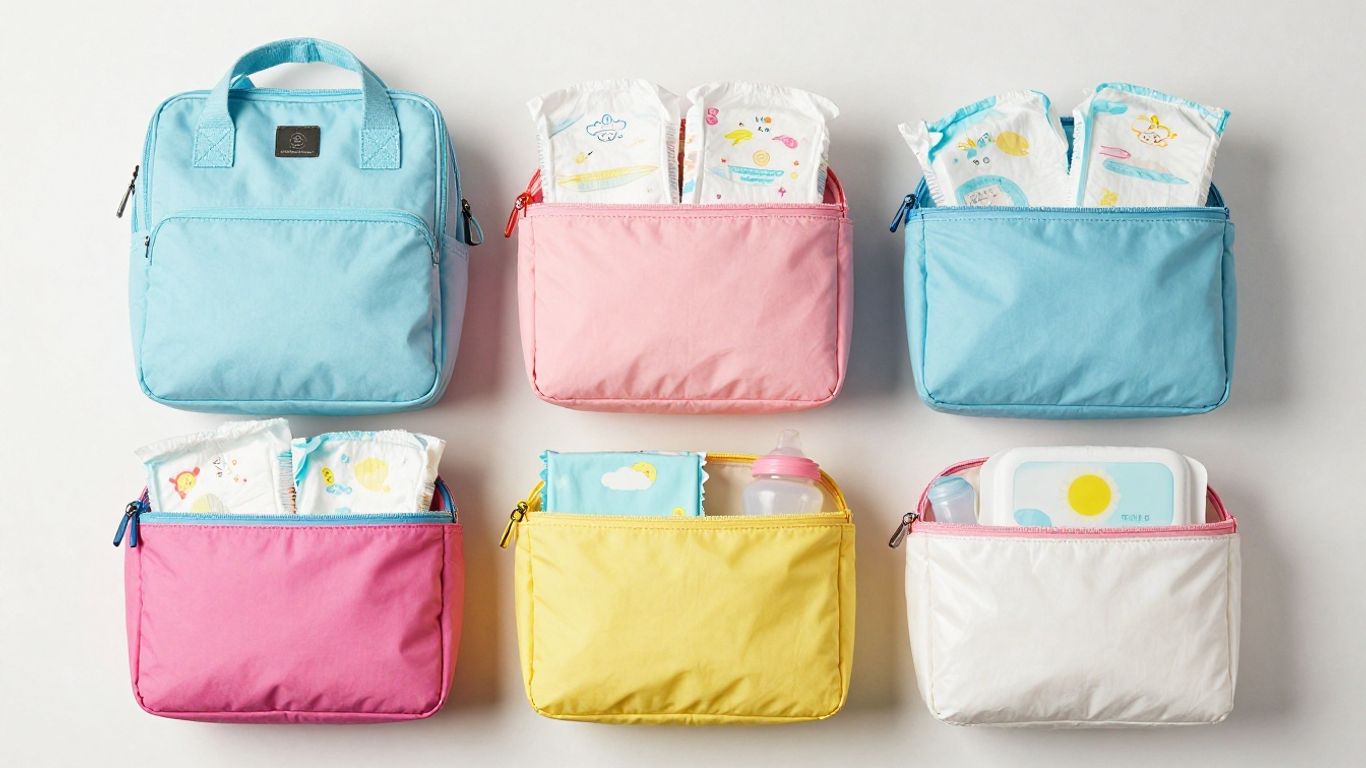
Think about how fast you can find your keys when they're on a bright keychain. Your brain works similarly with colors. Assigning a specific color to each pouch makes grabbing the right kit almost automatic. It’s like a visual shortcut that saves you precious seconds, especially when you're trying to do things one-handed.
Here’s a simple way to start:
- Diapering Kit: Blue (think clean, calm)
- Feeding Kit: Green (for nourishment)
- First-Aid/Clean-Up Kit: Red (for emergencies)
- Spare Clothes Kit: Yellow (bright and ready for anything)
This system means you’ll instinctively know which pouch to reach for, whether it’s a quick diaper change or a snack emergency. It’s amazing how much less stressful it is when you don’t have to rummage.
Implement a Weekly 'Reset' Routine
Life with little ones is messy, and your diaper bag is bound to collect its share of crumbs, used wipes, and random bits of fluff. A quick weekly reset prevents this from becoming overwhelming. It’s not about a deep clean, just a five-minute tidy-up.
Every Sunday evening, take a moment to:
- Empty out any trash or old receipts.
- Quickly wipe down the inside of the bag and pouches if needed.
- Check your restock list and add any items that are running low.
This small habit stops clutter from piling up and ensures you're always starting the week with a functional bag. It’s like hitting a mini-refresh button.
The 'One In, One Out' Rule for Consistency
This is a game-changer for keeping your supplies stocked without constant mental effort. The idea is simple: when you use the last of something from a pouch, immediately add it to your shopping list or restock it. For example, if you use the last diaper from your diapering pouch on an outing, make a note to buy more as soon as you get home. This way, you're never caught completely empty-handed.
This simple rule helps maintain a consistent inventory. Instead of a big repacking job, you're just topping things up as you go. It builds a packing reflex, so prepping for your next outing becomes almost automatic, saving you from that frantic last-minute scramble. It’s about building a reliable diaper bag system that works for you.
By adopting these habits, your diaper bag transforms from a source of stress into a reliable tool that makes outings smoother. You’ll feel more in control, and that’s a win for any parent.
Keeping Your Diaper Bag Clean and Safe
Let’s be honest, a diaper bag is basically a magnet for spills, crumbs, and all sorts of sticky stuff. It’s a workhorse, for sure, but keeping it clean is just as important as packing it right. After all, this is where you keep your baby's food, clean clothes, and toys. A little bit of regular upkeep makes a big difference in making sure your bag is a safe, hygienic spot for all those important things.
Think of diaper bag cleanliness as something you just have to do. It’s not just about how it looks; it’s about stopping germs and making sure everything from bottles to pacifiers stays sanitary for your little one.
Contain the Chaos with a Wet/Dry Bag
If there’s one item I could tell you to get to make your life easier, it’s a wet/dry bag. Seriously, this simple pouch is a game-changer for handling the messes that are bound to happen when you’re out and about.
Most wet/dry bags have two separate zippered sections: one with a waterproof lining for soiled clothes and another for clean, dry items. This is your secret weapon for quarantining the aftermath of a diaper blowout or a massive spit-up incident. No more stuffing a dirty onesie into a plastic bag!
Here’s why it’s a must-have:
- It traps odors. A dirty outfit sealed in a wet bag won't stink up everything else.
- It prevents leaks. The waterproof lining means a damp swimsuit or leaky bottle won’t soak the rest of your gear.
- It keeps clean things clean. You can store a fresh backup outfit in the dry pocket with total confidence, knowing it’s protected from the mess.
Routine Maintenance for a Hygienic Bag
To stop your diaper bag from slowly turning into a disaster zone, a quick weekly reset is your best friend. It only takes about five minutes every Sunday evening to get your bag ready for the week ahead.
Here’s a simple routine to follow:
- Empty Everything Out: Take all the pouches, stray toys, old snacks, and receipts out of the bag. Give it a good shake.
- Wipe Down the Interior: Use a damp cloth or a baby-safe wipe to clean the inside lining. Pay attention to any sticky spots or crumbs.
- Check and Restock Pouches: Go through each of your organized pouches. Toss out anything that's expired or no longer needed. Add back the essentials you used up on your last outing.
- Clean Exterior Pockets: Don't forget the outside pockets! Wipe them down too, especially if they hold bottles or sippy cups.
A clean diaper bag isn't just about appearances; it's about creating a healthy environment for your baby's belongings. A little effort each week prevents bigger cleaning jobs later and gives you peace of mind.
By adopting these simple habits, your diaper bag will stop being a source of stress and become one of your most reliable parenting tools. You'll be amazed at how much calmer you feel knowing that everything you need is exactly where it should be.
Your Organized Bag, Your Sanity Saver
So there you have it. Using pouches to organize your diaper bag isn't just about looking neat; it's about making your life as a parent way, way easier. When you can find what you need fast, you're less stressed, and your baby is happier too. It really does make a difference when you're out and about. Remember to adjust what you carry based on your plans, and don't forget to do a quick check and restock when you get home. A little bit of effort upfront means a lot less hassle later on. Happy packing, and enjoy those outings!
Frequently Asked Questions
Why are pouches so helpful for organizing a diaper bag?
Pouches are like mini-containers that keep similar items together. Instead of your bag being a jumbled mess, you can have one pouch for diapers and wipes, another for snacks, and so on. This makes it super easy to find what you need fast, especially when your baby is fussy or you're in a hurry.
What's the best way to pack my diaper bag so I can find things quickly?
Think about what you need most often. Items like wipes, a pacifier, or your phone should go right at the top or in easy-to-reach outside pockets. Things you won't need as quickly, like a spare outfit, can go at the bottom. This way, you don't have to dig through everything to find a diaper.
How many diapers should I pack?
A good rule of thumb is to pack one diaper for every hour you plan to be out, plus two extra just in case. So, if you're going out for three hours, pack about five diapers. It might seem like a lot, but it's better to have too many than not enough, especially during a surprise blowout!
What are the essential pouches I should have in my diaper bag?
You'll definitely want a 'Diapering Kit' with diapers, wipes, and cream. A 'Feeding Kit' for bottles, snacks, and sippy cups is also key. A 'First-Aid/Clean-Up Kit' for small emergencies and a 'Spare Clothes Kit' for accidents are also super useful.
How do I keep my diaper bag clean?
It’s important to clean your diaper bag regularly because it holds baby essentials. Wipe down the inside often, especially if there are spills. Using a wet/dry bag is also great for keeping dirty clothes separate from clean ones, preventing smells and leaks.
Do I need a special diaper bag, or can I use a regular bag?
You don't necessarily need a fancy diaper bag! You can totally use a large tote bag you already own. The key is to use organizational pouches and dividers to keep everything tidy. For very short trips, even a fanny pack can work for just the essentials.
Related reading
About the author
Ana Popescu – Mom, Former Daycare Owner & Early Childhood Expert
Ana is a mom of two, former daycare owner, and experienced school teacher. She specializes in early childhood care and development, offering practical advice on baby care, toddler behavior, and child growth. At JustBaby Luv, Ana combines her personal and professional expertise to support families and help them thrive in the early years.