



How to Choose a Diaper Bag with a Changing Station

How to Choose a Diaper Bag with a Changing Station (That You'll Actually Love Using)
Picture this: you're out at the mall with your three-month-old, they need a change, and you head to the restroom only to find the changing table is broken — or worse, there isn't one at all. You're now improvising on a bathroom counter with a wiggling baby, a diaper you had to excavate from the bottom of your bag, and no clean surface in sight.
New to this? Start with our guide to the best diaper bag with a changing station for the full picture.
A diaper bag with a built-in changing station changes that entire scenario. You unfold your own clean, padded surface right there, handle the change efficiently, and move on with your day. It sounds simple because it is — once you have the right bag.
The challenge is that not all of these bags are created equal. Some look great in photos and fall apart in real life. Some have changing pads that are too small, too flimsy, or tucked away so awkwardly you'd rather just improvise anyway. And some are so heavy before you've put anything in them that your shoulder gives up by noon.
This guide is here to help you cut through all of that and find the bag that actually works for your life.
First: What Actually Makes This Type of Bag Different?
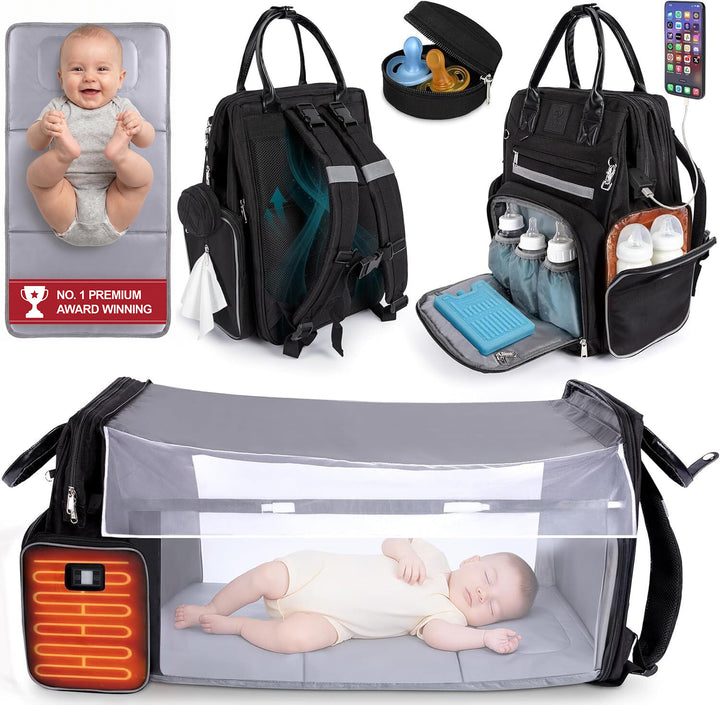
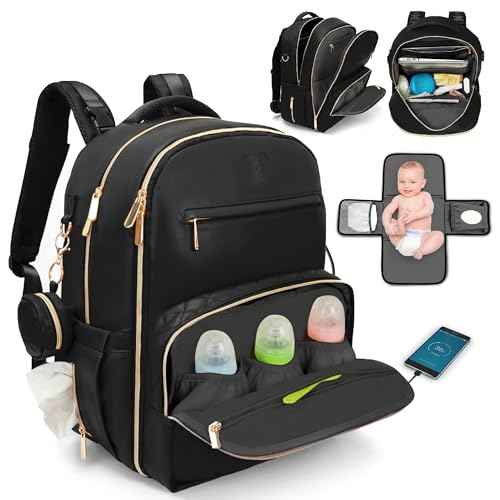
A standard diaper bag is essentially a well-organized tote or backpack with pockets for baby gear. A diaper bag with a changing station adds one critical feature: an integrated, wipeable, padded surface that unfolds cleanly so you can lay your baby down safely for a diaper change anywhere.
The best versions keep this pad in its own dedicated pocket — not crammed into the main compartment where it competes for space with everything else. The pad should unfold to at least 24 inches wide, be waterproof on the surface, and have enough padding to be comfortable for your baby on hard surfaces.
When this feature is done well, it's genuinely one of the most useful things you can have as a parent. When it's done cheaply, it's a thin folded piece of plastic that you'll use twice and then ignore.

The Mistakes Most Parents Make When Buying One
Let's be honest about where most people go wrong — because knowing these pitfalls will save you from wasting money on a bag you'll want to replace in six months.
Choosing It for How It Looks
This is the most common mistake, and it's completely understandable. Baby gear shopping happens during pregnancy when you're excited, nesting instincts are strong, and a beautiful bag feels like a meaningful purchase. You pick the one that photographs best and matches your nursery aesthetic.
Then you actually use it. And you realize there's no easy-reach wipe pocket. Or the bottle slots are too narrow. Or the changing pad unfolds in the wrong direction for the way you actually do changes. Or the straps cut into your shoulders after 20 minutes.
Style absolutely matters — you're going to carry this bag everywhere and it should feel like yours. But let style be the tiebreaker between two equally functional bags, not the deciding factor on its own.
Underestimating How Much Comfort Matters
A diaper bag isn't carried empty. It's carried stuffed with diapers, wipes, a change of clothes, bottles, snacks, your own wallet and keys, and the random collection of things babies seem to require. That's a lot of weight, and it goes on your body.
Straps without padding will make their presence known very quickly. A bag without proper weight distribution will throw off your posture and make long outings genuinely uncomfortable. If you're also pushing a stroller or wearing your baby in a carrier, a poorly designed bag makes everything harder.
Look for wide, padded shoulder straps and — if it's a backpack — padded back panels. A sternum strap or waist strap can help significantly on longer carry days. And check the empty weight: anything over four to five pounds is going to feel heavy once it's packed.
Not Actually Examining the Changing Pad
This is the central feature of the whole bag, and yet it's the thing people evaluate least carefully before buying.
A cheap changing pad is thin, crinkly, and slides around on every surface you try to use it on. It has no real padding so your baby is essentially lying on a slightly padded piece of plastic. It may not be truly waterproof — just water-resistant — which means accidents soak through to the table underneath and then you have a wet pad to deal with. And it might be too small for a baby past three or four months.
What you actually want is a pad that has real foam padding (enough that you can press on it and it pushes back), a genuinely waterproof surface that wipes clean completely, and dimensions that work for a baby up to at least 18 months. The size matters more than people expect — newborns are small but they don't stay that way.
Also check how the pad is stored. Does it have its own dedicated pocket that doesn't eat into the main storage space? Can you access it with one hand? Does it fold and unfold cleanly without becoming a wrestling match every time?
Buying the Wrong Size for Your Actual Life
Parents tend to go one of two directions here: they either buy too small (hoping to travel light) and constantly feel like they don't have enough room, or they buy too large and end up carrying a bag that feels like a hiking pack for a 20-minute errand.
The honest answer is that your ideal size depends on how long your typical outings are and how you tend to pack. A short trip to the pediatrician needs very different capacity than a full day at an amusement park.
A useful middle-ground approach: look for a mid-sized bag with at least one expandable section. That way you can pack light when you need to and open it up when you don't.
Ignoring Long-Term Cleaning Reality
You're going to clean this bag a lot. Formula dries sticky. Pureed food stains. Wipes leave moisture marks. Something is always getting somewhere it shouldn't be inside a diaper bag.
If the interior is fabric that absorbs stains and takes forever to dry, you're going to find yourself increasingly reluctant to clean it properly — which means a bag that gets grimier over time. If the exterior shows every mark, same problem.
Look for wipeable interior lining (a light color so you can actually see what needs cleaning), and exterior materials that handle spot cleaning without leaving water marks. Faux leather, coated nylon, and treated polyester all perform significantly better than canvas or uncoated fabrics in this regard.

What to Actually Look For: A Real Checklist
Here's a practical checklist you can run through when evaluating any diaper bag with a changing station:
The Changing Station Itself
- Does it have real padding or just a thin foam layer?
- Is the surface genuinely waterproof, not just water-resistant?
- Does it unfold to at least 24 inches wide?
- Is it stored in its own dedicated pocket — not crammed into the main compartment?
- Can you access it one-handed?
- Does it fold back up cleanly and stay closed?
Storage and Organization
- Are there enough compartments for diapers, wipes, bottles, snacks, clothes, and your own essentials?
- Is there a dedicated wipe pocket that's easy to reach with one hand?
- Do bottle pockets hold bottles upright without tipping?
- Are insulated pockets actually insulated — with real foam — or just soft fabric with a thin lining?
- Is there an exterior quick-access pocket for your phone and keys?
Comfort and Carry
- Are the shoulder straps wide and padded?
- Does the bag weigh under five pounds empty?
- Can it be carried multiple ways — backpack, shoulder, crossbody?
- Does it have stroller attachment straps or clips?
- Is the back panel padded if it's a backpack style?
Materials and Durability
- Is the outer material durable and easy to spot clean?
- Is the interior lining wipeable and light-colored enough to see stains?
- Is the hardware metal or plastic? Metal lasts significantly longer.
- Are the zippers smooth and sturdy?
- Do the seams look clean and reinforced at stress points?
Practical Details
- Is the empty weight manageable?
- Does the design work for both parents?
- Are the colors or patterns practical for hiding everyday wear and dirt?
- Does the brand offer a warranty?
- What do real long-term reviews say about durability after six to twelve months of use?
A Closer Look at the Features That Actually Change Your Daily Life
Insulated Bottle Pockets — More Important Than They Sound
If you're breastfeeding, formula feeding, or managing a toddler who's particular about their milk temperature, you already know the frustration of a bottle that's too warm or too cold when you need it. Carrying a separate cooler bag is one more thing to manage.
A genuinely insulated bottle pocket solves this problem without any extra gear. The key word is "genuinely" — the insulation needs to have thick enough foam and a reflective lining to actually maintain temperature for two to four hours. Many cheaper bags have pockets that look insulated but provide maybe 30 minutes of real temperature retention.
For parents who spend extended time out — a full day trip, travel days, long visits — this feature goes from nice-to-have to practically essential very quickly.
Carrying Options — Why Versatility Matters
Some mornings you need both hands completely free and a backpack is the only answer. Other times you're running into a store for five minutes and swinging a shoulder bag is faster and easier. On some days you're wearing your baby in a carrier and a crossbody bag is the only comfortable option.
The best diaper bags with changing stations accommodate all of these scenarios — backpack straps, a shoulder strap, and top handles at minimum. Stroller clips are a bonus that make a real difference on longer outings when you don't want to carry the bag at all.
The flexibility to switch carrying methods based on what the day requires is one of those practical features that seems minor when you're shopping and becomes genuinely appreciated once you're actually using the bag.
The Stroller Attachment Question
A lot of bags claim stroller compatibility, but there's a meaningful difference between a bag that has a loop you can drape over a stroller handle and one that has actual purpose-designed clips or straps that attach securely.
A bag that hangs properly on a stroller stays accessible, doesn't bang against the back of the stroller frame, and won't tip the stroller if it's heavy-side weighted. If you use a stroller frequently, test this specifically — or look for reviews that specifically address stroller compatibility for the exact stroller model you own.
How to Think About Price vs. Quality
This is where parents often get tripped up in both directions.
Going too cheap — under $30 to $40 — almost always means compromising on the things that matter most: changing pad quality, material durability, and organizational layout. These bags tend to look acceptable in photos and deteriorate quickly in real use. Zipper pulls break. Straps fray. Lining peels. The changing pad turns into a thin crinkled sheet within a few months.
Going too expensive doesn't automatically solve these problems either. Some premium-priced bags have beautiful exteriors and disappointing interiors — not enough pockets, inadequate changing pads, or poor weight distribution.
The sweet spot for most parents is in the $60 to $130 range. At this price point, you can find bags with genuinely durable materials, well-designed organization, real changing pad quality, and comfortable carry — without paying purely for brand prestige.
When in doubt, look for brands that offer at least a one-year warranty and have a meaningful track record of positive long-term reviews — not just reviews from people who just received the bag. Six-month and one-year reviews tell you much more about durability than initial impressions do.
Thinking Beyond the Baby Stage
One thing that makes a good diaper bag with changing station a better investment than it might seem: how long and how broadly you'll actually use it.
If you have more than one child, a quality bag serves you through multiple rounds of the diapering stage. If you plan to have more kids, a larger bag that can handle two kids' worth of supplies is worth the extra investment upfront.
And once your youngest is out of diapers, a well-designed bag doesn't stop being useful. The same features that make it great for baby gear — organized compartments, padded carry, durable and easy-clean materials — make it a legitimately great travel bag, gym bag, or work bag. Parents who choose well at the beginning often use these bags for five years or more past the diapering phase.
Quick Comparison: What Matters at Different Stages
| Baby Age | Priority Features |
|---|---|
| Newborn (0–3 months) | Maximum capacity, padded changing station, insulated bottles, easy one-hand access |
| Infant (3–9 months) | Organization, stroller clips, comfortable carry for longer outings |
| Older baby (9–18 months) | Snack pockets, durable exterior, larger changing pad surface |
| Toddler (18+ months) | Versatility, convertible carry, transitioning toward general use |
The Bottom Line
A diaper bag with a changing station is one of those purchases that quietly affects your daily quality of life more than you might expect. The difference between a bag that works seamlessly and one that requires workarounds and improvisation every time you need to use it is significant — especially when you're already managing a baby, a schedule, and everything else that comes with early parenthood.
Take the time to evaluate what you're actually buying. Handle it if you can. Unfold the changing pad. Check the pocket layout. Feel the strap padding. Read the long-term reviews. The extra 30 minutes of research before buying is far less painful than realizing two months in that you chose wrong and need to start over.
A well-chosen bag will genuinely make your outings easier, your changes cleaner, and your daily routine a little less chaotic. And in the early months of parenting, "a little less chaotic" is everything.
Frequently Asked Questions
What makes a diaper bag with a changing station different from a regular diaper bag?
The integrated changing station — a foldable, wipeable, padded surface built into the bag — is the key difference. It means you have a clean, cushioned place to change your baby wherever you are, without needing a separate changing pad or relying on facilities that may not be available or sanitary.
Are the insulated bottle pockets really worth it, or can I just use a separate cooler?
For most parents, integrated insulated pockets are worth it — one less item to carry and one less thing to forget. The key is making sure the insulation is actually effective (thick foam with reflective lining), not just decorative. A separate cooler gives you more flexibility for very long outings but adds bulk.
Can one bag work for multiple children?
Yes, if you choose a larger capacity bag with smart organization from the start. Look for bags with multiple main compartments rather than one big open space, so you can keep two kids' supplies separated and accessible.
What materials hold up best to daily use and regular cleaning?
Faux leather, heavy-duty coated nylon, and treated polyester consistently outperform canvas and uncoated fabric. They clean more easily, resist staining better, and maintain their structure longer. The interior lining matters too — wipeable is far more practical than fabric lining.
How do I know if the changing pad is big enough?
At minimum, look for 24 inches in length. Newborns will fit in almost anything, but babies grow fast. A pad that works comfortably for a six-month-old gives you meaningful runway before you need to improvise.
Is it worth spending more on a quality bag?
Generally yes — with the caveat that high price doesn't automatically mean high quality. Focus on construction quality, changing pad quality, material durability, and organizational layout rather than brand name. A well-made $90 bag will serve you better than a famous-brand $200 bag that wasn't designed with actual parenting in mind.
Related reading
About the author
Ana Popescu – Mom, Former Daycare Owner & Early Childhood Expert
Ana is a mom of two, former daycare owner, and experienced school teacher. She specializes in early childhood care and development, offering practical advice on baby care, toddler behavior, and child growth. At JustBaby Luv, Ana combines her personal and professional expertise to support families and help them thrive in the early years.