

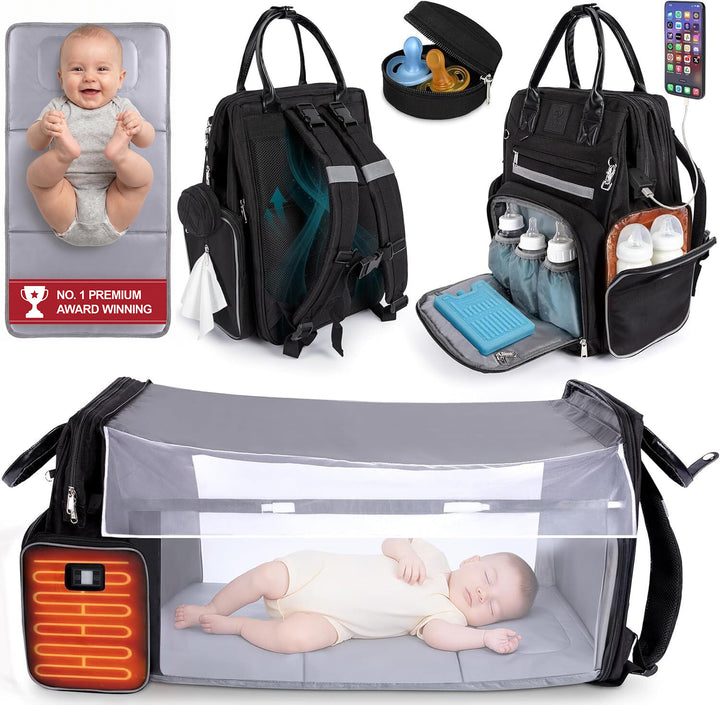

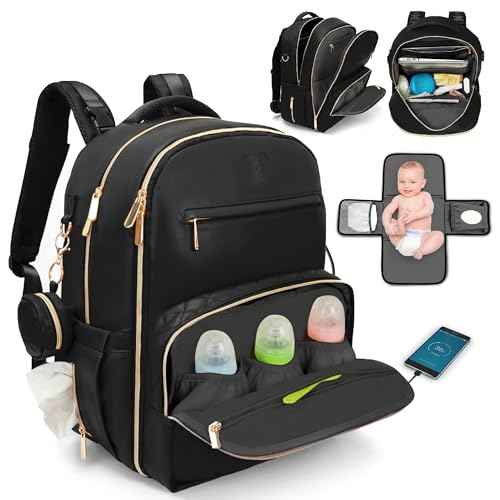

Discover the Ultimate Diaper Bag Premium: Style Meets Functionality

The Premium Diaper Bag: Why Style and Function Don't Have to Be a Compromise
There's a moment most new parents have — standing in a store or scrolling through endless product listings, looking at diaper bags, and quietly thinking: does this have to be so ugly?
The answer, thankfully, is no. Not anymore.
The diaper bag has had a genuine evolution over the past decade. What used to be a purely utilitarian object — big, bulky, covered in cartoon animals, screaming "I have a baby" from across the room — has become something that thoughtful designers have actually taken seriously. Today's premium diaper bags borrow from fashion, from travel gear, from everyday carry culture. They're built to hold everything your baby needs without looking like they were designed as an afterthought.
This guide is about that category — the bags that get the balance right. Not just stylish for the sake of it, and not just functional in a way that ignores how the thing actually looks. Both. At the same time. Here's what makes a premium diaper bag worth it, what the different styles offer, and how to find the one that actually fits your life.
Why "Premium" Actually Means Something Here
The word gets thrown around a lot, so let's be specific about what actually separates a premium diaper bag from a standard one. It comes down to four things: materials, construction, organization, and longevity.
Materials That Hold Up to Real Life
The most visible difference between a $35 diaper bag and a quality one is what it's made of. Budget bags tend to use thin fabrics that pill, fade, and start looking worn within a few months of daily use. Stitching loosens. Zippers snag. The lining inside stains permanently from the first formula spill.
Premium bags use materials chosen specifically because they can take a beating and still look decent. High-tenacity nylon that sheds water and resists abrasion. Treated canvas that handles dirt without absorbing it. Quality faux leather with real structural backing that doesn't peel or crack within a year. These aren't just cosmetic choices — they're the difference between a bag that lasts through one baby and one that lasts through two or three.
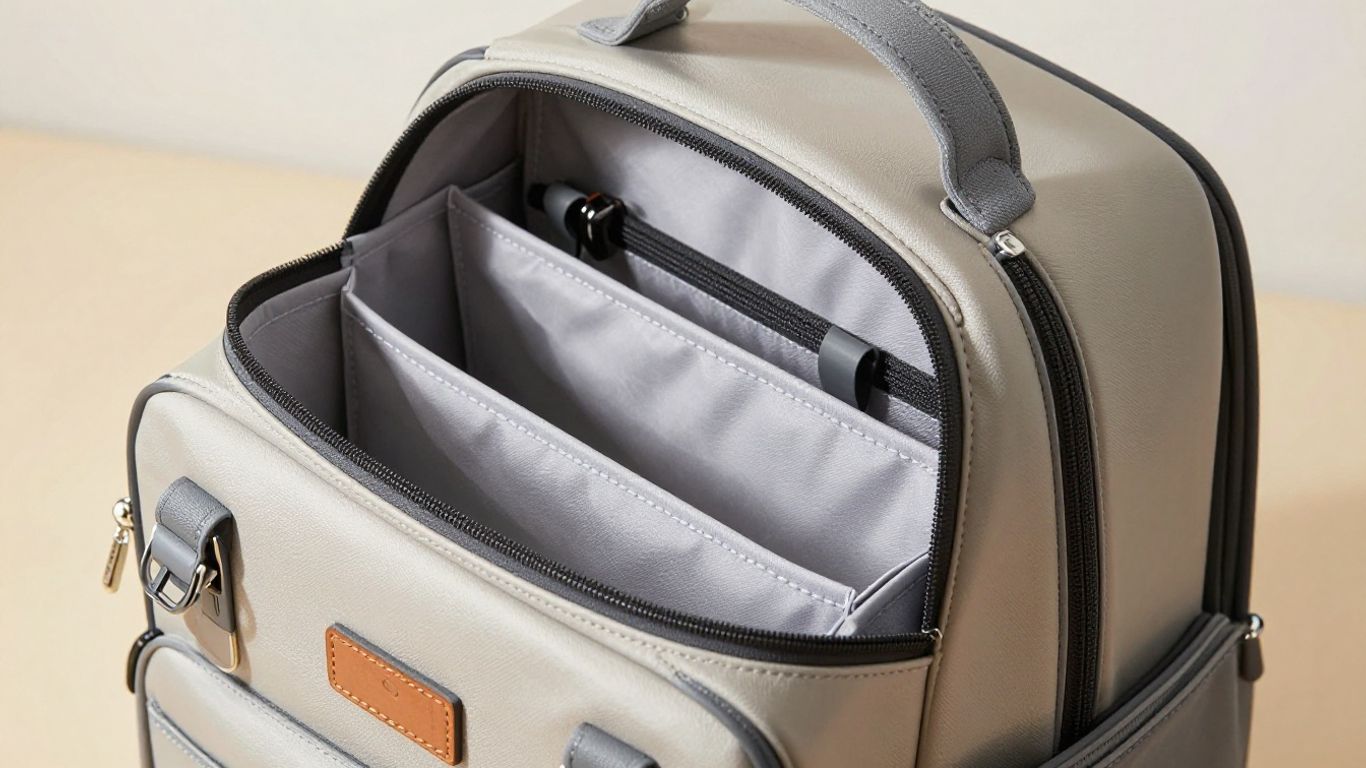
The interior matters as much as the exterior. A wipeable lining in a light color — so you can actually see what needs cleaning — is one of those features that sounds minor and becomes essential the first time you have a leaky bottle situation.
Construction That Doesn't Cut Corners
How a bag is put together predicts how long it lasts. Look at the seams: are they straight, tight, and reinforced at stress points? Check the zipper pulls — smooth-gliding metal hardware versus cheap plastic is a meaningful difference in daily use. Look at where the straps attach to the body of the bag. This is where cheaper bags fail first, and where quality construction shows itself through extra stitching, backing material, or rivets.
A bag that's constructed well feels solid when you pick it up — not stiff exactly, but substantial. It doesn't flop or collapse. The zippers move without catching. The hardware doesn't rattle loosely. These are things you notice immediately and things that predict how the bag will hold up six months in.
Organization That Actually Makes Sense
This is the category where premium bags most consistently outperform budget options, and it's the one that affects your daily life most directly.
The difference isn't just "more pockets." It's pockets in the right places, the right sizes, and designed for how you actually use a diaper bag. A wipe pocket that's actually easy to reach with one hand while you're holding a baby with the other. Insulated bottle pockets that are sized for actual bottles rather than being too narrow or too wide. A main compartment with a wide enough opening that you can see inside without removing everything. An exterior quick-grab pocket for your phone and keys at a position you can reach without contorting.
The bags that get this right make outings noticeably smoother. The ones that don't — no matter how good they look on the outside — create constant small frustrations that add up over the months and years you're using them.
Longevity as an Investment Argument
Here's the case for spending more upfront that most people don't think through: a quality diaper bag purchased once is almost always cheaper than a series of budget bags purchased repeatedly as each one wears out.
Consider the math. A $40 bag that starts falling apart at six months and gets replaced at the one-year mark costs $80 over two years. A $110 bag that lasts five years — through multiple children, through the toddler stage, and into post-baby everyday use — costs $22 per year over that span.
And that's before accounting for the genuine upgrade in daily experience that comes from using something that works well versus something you're constantly working around.
The Three Main Styles — and Who Each One Is For
The Tote: Effortless, Accessible, Versatile
The tote is the classic for a reason. It's a silhouette that's been around forever because it works — wide, open access from the top, a profile that transitions naturally between contexts, and a carry style that doesn't require any adjustment when you need to grab something quickly.
A quality diaper bag tote takes this familiar format and adds the organization layers that baby gear demands. Dedicated compartments inside so you're not fishing through a single open space. Often a coordinating changing pad that tucks away without competing for main compartment space. A secure top closure — zip or magnetic snap — so nothing escapes when the bag tips over in the car.
The tote works especially well for parents who do a lot of their outings in contexts where they're setting the bag down and accessing it from above — restaurants, pediatrician offices, friend's houses. The wide opening and shoulder carry make it fast and natural to access without taking the bag off or putting it on a flat surface.
One practical note: all-in-one-shoulder carry does concentrate weight on one side. If you tend to pack heavy or have longer outings, a tote with a crossbody strap option gives you more flexibility. And if your outings regularly involve a lot of walking, a backpack often serves you better.
Best for: Parents who want a bag that genuinely looks like a bag, transitions between contexts naturally, and prioritizes quick access over hands-free carry.
The Backpack: Hands-Free, Balanced, Built for Movement
For parents who are physically active, who use strollers, who wear their babies in carriers, or who are simply out for long stretches on their feet — a backpack diaper bag changes the equation in a fundamental way.
When both hands are free, everything is easier. Opening doors. Catching a toddler mid-fall. Pushing a stroller. Carrying groceries. The backpack makes all of this possible in a way that a shoulder bag simply doesn't.
The weight distribution benefit is real and underrated. Carrying 10+ pounds on one shoulder for a full day at an amusement park or a long airport transit creates genuine fatigue and posture strain. The same weight distributed across both shoulders and your back is manageable in a way that feels almost effortless by comparison.
What separates a quality diaper bag backpack from a cheap one: padded shoulder straps that don't dig in even when fully loaded, a padded back panel so the bag sits comfortably rather than pressing hardware into your spine, smart exterior pockets positioned so you can access them without taking the bag off, and a main compartment that opens wide enough to navigate without unpacking everything.
The best versions also work as shoulder bags or crossbody bags when you want to switch — versatility that matters on the kind of day where you start walking, end up at a restaurant, and then do some grocery shopping on the way home.
Best for: Active parents, stroller users, baby-carrier parents, anyone doing long stretches on their feet, and households where both parents share the bag regularly.
The Weekender Travel Bag: When You're Going Somewhere Real
This category exists for a specific parenting reality: sometimes a day bag isn't enough. A pediatrician appointment where you might be there for hours. A weekend trip to see family. A flight with a lap infant. A day at an outdoor festival. Situations where you need to pack for an extended time rather than a couple of hours.
The weekender travel bag is what it sounds like — sized for an overnight or a long day, organized to handle both baby gear and your own essentials without making you feel like you're hauling a suitcase.
What distinguishes a quality travel-oriented diaper bag from just a large bag: separate compartments that keep adult and baby items from mixing into chaos, easy-to-clean linings throughout, carrying options that work for both airport transit and theme park days, and design that doesn't make you look like you brought your entire house with you.
This style works especially well for families who travel frequently or who tend toward longer, more ambitious outings. It's also the right choice when you're packing for two children — a baby and a toddler, for instance — where the combined gear requirement quickly outgrows what a standard day bag can handle comfortably.
Best for: Frequent travelers, families with multiple kids, parents who go on full-day adventures, and anyone who finds themselves constantly running out of space in a regular diaper bag.
The Features That Separate Good Bags from Great Ones
The Changing Station: Not All Are Equal
We covered this in detail elsewhere, but it bears repeating in a premium context: if a bag is going to include a changing station, it should actually be one. Not a thin foam insert wrapped in fabric that provides approximately no cushioning on a hard surface. An actual padded, wipeable, adequately-sized surface that you'd feel comfortable using confidently in any public setting.
The best premium bags keep this in its own dedicated pocket rather than stuffing it into the main compartment. It folds and unfolds cleanly without wrestling. The surface wipes completely clean. It's sized for a baby well into the toddler stage, not just the newborn phase.
If a bag's changing pad is thin, small, or awkward to deploy, treat that as a signal about the rest of the bag's design thinking.
Insulated Pockets Done Right
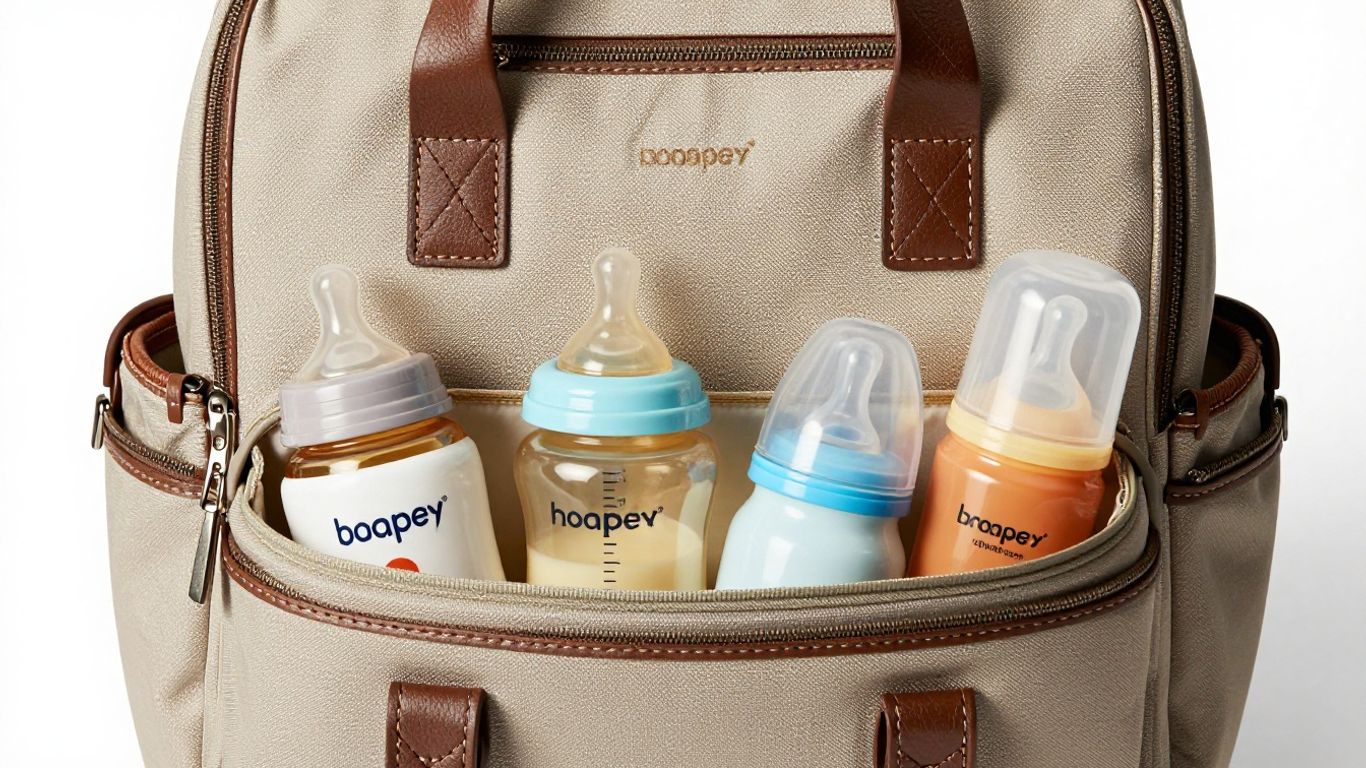
The insulated bottle pocket is one of those features that's either genuinely useful or essentially decorative depending on how it's built. A soft fabric pocket with a thin reflective lining provides maybe 20 minutes of meaningful temperature retention. An actual insulated pocket with real foam and reflective backing keeps a bottle meaningfully cold or warm for two to four hours.
For parents who formula feed, pump, or manage a toddler with opinions about their milk temperature — that difference is significant. For parents who do longer outings or travel, it's the difference between needing a separate cooler bag and not.
When evaluating a bag's insulated pockets, press on the walls of the pocket. If there's real foam resistance, the insulation is meaningful. If it feels like just two layers of fabric, it's mostly decorative.
Smart Exterior Pockets
You'll reach into your bag dozens of times a day. The majority of those reaches are for a small number of things: your phone, your keys, a wipe, a pacifier. If any of these require opening the main compartment and searching, the bag's layout is working against you.
The best premium bags put dedicated exterior quick-access pockets for exactly these high-frequency items in positions you can reach naturally — not on the bottom, not requiring you to put the bag down, not hidden behind a flap that requires two hands to open. A magnetic snap closure on an exterior phone pocket, for instance, is the kind of detail that sounds minor and becomes genuinely appreciated in daily use.
Stroller Compatibility
If you use a stroller regularly, the ability to hang your diaper bag from the handlebar rather than carrying it yourself is a genuine quality-of-life improvement. It keeps the bag accessible, takes the weight off your body, and frees you up to actually move naturally rather than managing gear constantly.
The difference between proper stroller attachment and just having a loop you can drape over the bar: proper clips or straps that hold the bag securely at the right height, prevent it from swinging into the back of the stroller, and work with most standard handlebar diameters. This is worth specifically checking for the stroller you own, since compatibility isn't universal.
Detachable Pouches for Quick Errands
One of the more elegant solutions in the premium diaper bag world is the detachable pouch — a smaller internal bag that can be pulled out and used independently. Running into a store for five minutes? Leave the main bag in the car or with your partner and take the pouch with a couple of diapers, your phone, and your card. Doing a quick walk while the baby sleeps in the stroller? Same thing.
This feature adds genuine flexibility that a bag without it simply can't replicate. The pouch is often styled as a clutch or small crossbody, meaning it doesn't look like a diaper accessory when you're using it on its own.
How to Think About Colors and Design
Neutrals Hide More Than You Think
There's a practical reason that black, charcoal, navy, olive, and warm gray are the dominant colors in quality diaper bags: they hide the wear patterns that a heavily used bag accumulates. A small scuff on a black bag is invisible. The same mark on a cream bag is immediately obvious.
This isn't to say lighter or bolder colors are wrong — it's a personal choice and there's plenty of room for it. But if you tend to worry about your bag looking worn, or if you know you'll be rough on it, a darker neutral is genuinely more forgiving.
Patterns — especially smaller, allover prints — serve a similar function. They're visually interesting while also disguising the everyday marks that come with heavy use.
Design That Works Beyond Parenting
The best premium diaper bags are designed to outlast their original purpose. Once your youngest is potty trained, the bag should be able to transition naturally into an everyday carry bag, a work bag, a gym bag, or a travel bag without looking out of place.
This means clean silhouettes without excessive baby-specific branding, quality materials that don't look dated after a few years, and organizational features that work for adult gear as readily as baby gear. A padded laptop sleeve that held your breast pump can hold a 13-inch MacBook. Insulated bottle pockets work equally well for a water bottle or a lunch. The main compartment that held diapers and wipes holds gym clothes or a change of clothes for work travel.
When you evaluate a bag with this lens — not just for the next two years but for the next decade — the price calculation shifts considerably in favor of quality.
Making the Decision: A Practical Framework
Here's a simple way to think through which type and price point makes sense for you:
| Your Situation | Recommended Approach |
|---|---|
| First baby, not sure what you need | Mid-range backpack with good organization — versatile and forgiving |
| Very active lifestyle, lots of walking | Quality backpack with padded straps and stroller clips |
| Prefer a polished, put-together look | Premium tote with coordinating changing pad |
| Travel frequently as a family | Weekender-style with dedicated compartments and laptop sleeve |
| Two or more kids | Larger capacity bag with multiple main compartments |
| Budget is a real constraint | Focus budget on organization and materials; skip brand prestige |
| Planning more children | Choose quality over trend — you'll use it for years |
The Honest Bottom Line
A premium diaper bag isn't a luxury in the sense of being unnecessary. It's a tool you'll use multiple times every single day for two to three years, and the quality of that tool affects the quality of your daily experience in small but real ways.
The parent who spends 20 seconds finding a wipe has a slightly better day than the parent who spends three minutes excavating through a disorganized bag while a baby cries. Multiplied across three years of daily outings, those seconds add up to something meaningful.
That's not a case for spending as much as possible — it's a case for buying once, buying thoughtfully, and getting a bag that actually works for your life rather than one that requires constant workarounds.
Find the style that matches how you move through the world, prioritize the features that matter most for your specific routine, and choose materials and construction that will hold up to the way you actually use things. That bag — whatever it costs — is the right premium diaper bag for you.
Frequently Asked Questions
What actually makes a diaper bag "premium"?
Genuinely durable materials, thoughtful organization with pockets in logical positions, construction quality that holds up over years of daily use, and design that doesn't look like dated baby gear. Premium isn't about the price tag or the brand name — it's about those four things working together.
Is spending more on a diaper bag actually worth it?
For most parents, yes — with the caveat that high price doesn't automatically mean high quality. A well-made $90 bag will outperform a famous-brand $250 bag that wasn't designed thoughtfully. Focus on construction and features rather than name recognition, and evaluate based on real long-term reviews rather than marketing.
Tote or backpack — which is better?
Neither is objectively better; they suit different lifestyles. Totes offer easier access and a more polished look. Backpacks offer hands-free carry, better weight distribution, and more practicality for active parents. Many parents end up with one of each for different contexts.
What's the best way to organize a diaper bag so you can actually find things?
Create a consistent system and stick to it. Diapers and wipes in the most accessible section. Bottles in insulated side pockets. A change of clothes in the main compartment. Phone, keys, and wallet in the exterior quick-access pocket. When everything has a designated place, muscle memory takes over and you stop thinking about where things are.
Can a premium diaper bag be used after the baby stage?
Yes — and this is a significant part of the value case. Quality materials, timeless design, and functional organization make most premium diaper bags excellent everyday bags long after the diapering years are over. The investment essentially pays for itself over a decade of use.
What should I look for if I travel frequently with my baby?
Size for extended outings, separate compartments for adult and baby items, a laptop or tablet sleeve, and carrying options that work for airport transit. Stroller compatibility is a bonus for travel days. And water-resistant exterior materials are worth seeking out specifically for travel, where you have less control over the environments you'll encounter.
About the author
Ana Popescu – Mom, Former Daycare Owner & Early Childhood Expert
Ana is a mom of two, former daycare owner, and experienced school teacher. She specializes in early childhood care and development, offering practical advice on baby care, toddler behavior, and child growth. At JustBaby Luv, Ana combines her personal and professional expertise to support families and help them thrive in the early years.