



How to choose the best diaper bag with built in bottle warmer

Key Takeaways
-
A good diaper bag with a built-in bottle warmer should make feeding easier without creating new safety or packing problems
New to this? Start with our guide to the best diaper bag with a changing station for the full picture.
-
Look beyond the heating feature and judge the whole bag as part of your daily routine
-
Confirm how the warmer is powered and whether a power bank is required
-
Check temperature control, bottle compatibility, and cleaning access before buying
-
Choose capacity around your usual number of bottles, diapers, and clothing changes
-
Look for comfortable carrying options, durable materials, and practical pockets
-
Spend more only on features that genuinely support your outings and travel habits
Understanding How Built-In Bottle Warmers Work
That's not the only factor. A built-in warmer usually combines a heating element with a bottle compartment inside the bag. The design might keep a bottle warm, raise its temperature gradually, or just provide an insulated place to store it. Those aren't the same thing. Before choosing a model, figure out what the warmer's actually designed to do, what supplies it needs, and how you'll monitor it while you're away from home.
USB-Powered Heating Systems
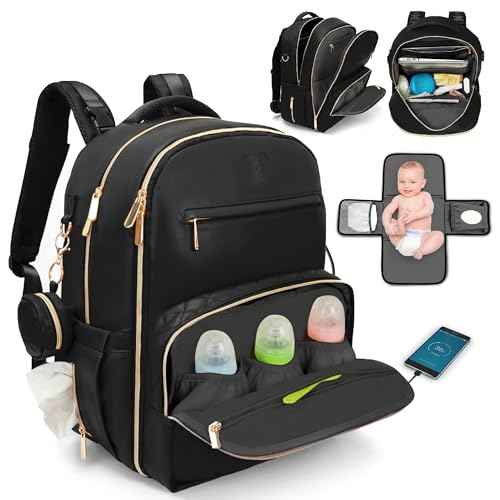
USB systems draw power from an external source rather than generating it independently. That matters a lot. A port may connect to a power bank, car adapter, or another suitable USB power source. Check whether the bag includes only a cable, or actual power hardware too. The TSB Diaper Bag, for instance, is described as having a USB charging port, with the power bank sold separately.
It goes deeper than that. Port location matters just as much as the heating element itself. It should be reachable without unpacking the whole bag, and the cable shouldn't cross the bottle opening or sit where spilled milk can pool. A removable cable's also easier to replace than a permanently fixed one, worth keeping in mind.
Insulated Warming Compartments
An insulated pocket slows temperature change, but insulation alone doesn't necessarily warm a cold bottle. Some bags combine insulation with an actual heating panel, others just offer passive temperature retention. Read the product description closely, and think about whether you need active warming at all times, or mainly want a bottle staying closer to its starting temperature.
Think about what that means. The compartment should fit the bottles you actually use, wider bottles or storage containers included. A snug fit reduces movement, sure, but shouldn't make pulling out a hot bottle awkward when one hand's already occupied with a baby.
Battery-Powered and Car-Compatible Options
A battery-powered warmer can be genuinely convenient away from outlets. The battery might be built in, removable, or entirely separate from the bag itself. Car-compatible setups typically use a suitable adapter and need careful cable routing. Don't assume a USB port automatically means the warmer supports every adapter or battery type out there.
The numbers back this up. Think through where feeding usually happens. A short walk, a full day at the park, a long drive, these create pretty different power demands. What's convenient for one situation might be overkill for another.
Typical Warming Times and Temperature Limits
Warming time depends on starting temperature, bottle material, liquid volume, and power source. It really does vary a lot. Product instructions should give you the most reliable timing and temperature guidance available. Treat broad promises like "fast warming" as a reason to dig deeper, not a guarantee.
And that's just the start. Test the setup at home before relying on it during an actual outing. A warmer isn't a substitute for checking the liquid yourself. Swirl the contents when appropriate, test a few drops on your wrist. Follow current guidance from your pediatrician or a trusted health authority for preparing and storing breast milk or formula.
Evaluating Bottle-Warming Safety and Performance
A warmer sits right next to diapers, clothing, wipes, and sometimes wet items too, so its safety depends on more than just the heating plate. The bag should keep liquid and electronics sensibly separated, offer controls that actually make sense, and be easy to clean. Safety comes before speed when comparing any diaper bag with a built-in bottle warmer. That's not the only factor.
Temperature Control and Overheating Protection
Look for clear temperature settings, automatic shutoff, or some other documented overheating protection. A control that's easy to read and operate beats one buried under layers of fabric every time. If the instructions don't explain how the warmer limits heat, ask the seller before buying.
The compartment shouldn't press against a baby's skin or run unattended. A warning light, timer, or audible signal helps, but none of that replaces actually checking the bottle before feeding. It goes deeper than that.
Compatibility With Breast Milk and Formula
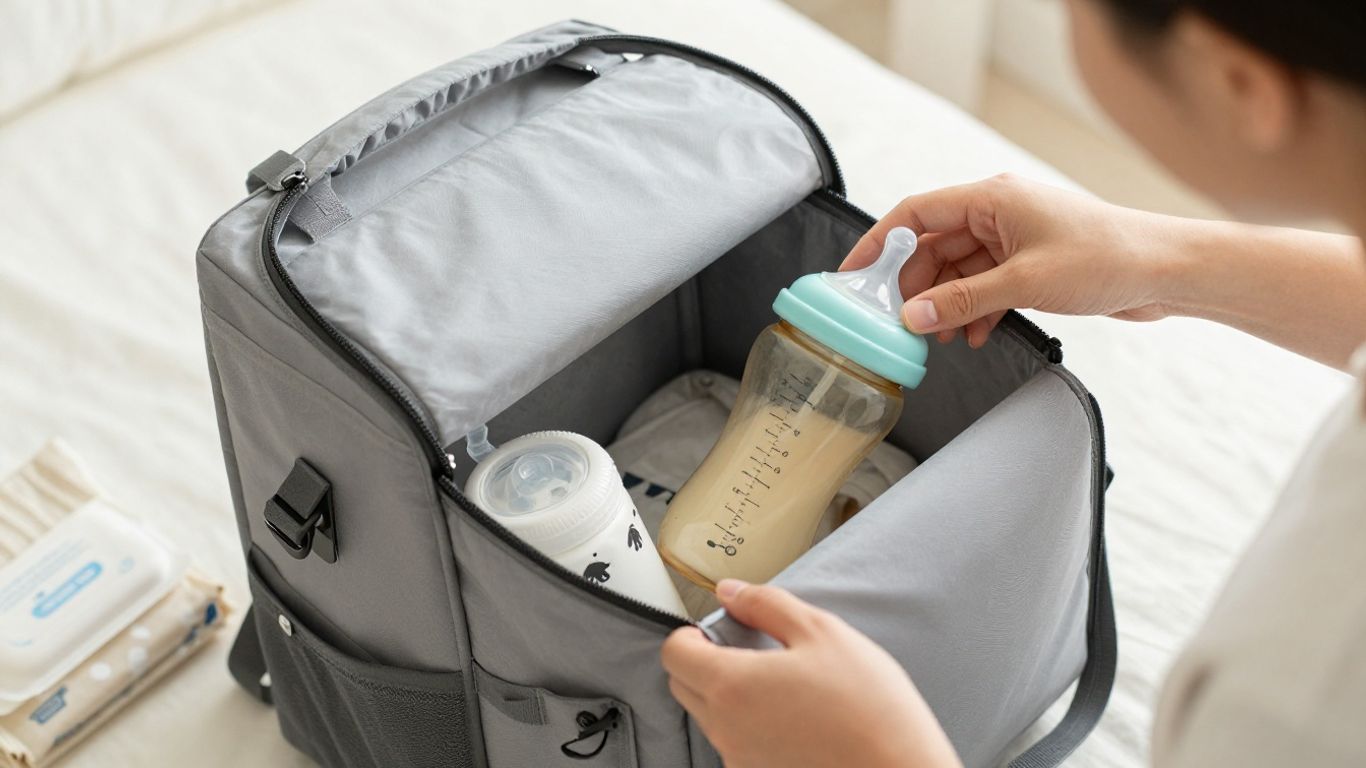
Breast milk and prepared formula have different handling considerations. A bag warmer might not suit every preparation method. Confirm the recommended bottle shapes, container materials, liquid volumes, and temperature range. Also check whether the warmer's meant to heat a refrigerated bottle, maintain warmth, or handle both.
Don't infer suitability just because a listing says "baby" somewhere. Follow the manufacturer's instructions and safe-feeding guidance, especially if a bottle's going to be carried for several hours. Think about what that means.
Leak Prevention Around Electronics
A leak-resistant bottle pocket is useful, but it doesn't make the entire electrical system waterproof. The bottle should stay upright, the warmer compartment should close securely, and the cable connection should sit away from likely spill zones. A separate wet-item pocket further reduces the chance damp clothing reaches the electronics.
Inspect seams and zippers before buying, then keep liquids in closed containers even when a pocket looks insulated. If milk spills, disconnect the power source before cleaning, and follow the manufacturer's instructions rather than improvising with water anywhere near the port. The numbers back this up.
Cleaning Requirements for the Warming Compartment
Ask whether the warming area wipes clean without removing complicated parts. Fabric liners, removable inserts, and smooth surfaces are generally easier to maintain than deep folds that trap residue. The instructions should state which parts can be washed and which need to stay dry.
A simple cleaning routine is a lot more realistic than one requiring a special tool after every single use. Wipe small spills promptly, let the compartment dry fully, and check it regularly for sour odors or sticky buildup. And that's just the start.
Choosing the Right Diaper Bag Size and Layout
Capacity's only useful when the bag stays easy to carry and search. A large interior can turn into a jumble fast if bottles, diapers, clothes, and personal items all share one space. Start by listing what you actually pack for a normal outing, then add a little room for variation rather than automatically grabbing the biggest bag on the shelf.
Bottle Capacity for Daily Outings
That's not the only factor. Count the bottles you typically bring, one backup included if that fits your routine. Then measure their height and width, because a pocket advertised for "several bottles" might not fit your preferred shape. Insulated pockets are especially helpful when bottles need to stay separate from clothing or changing supplies.
For a quick comparison point, Sleepy Panda backpacks are presented as having dedicated, insulated storage for bottles alongside organization for other essentials. Use that kind of description as a starting point, then verify actual dimensions and warmer details for the specific bag you're eyeing.
Dedicated Diaper and Changing-Gear Storage
It goes deeper than that. Diapers, wipes, cream, and a changing mat should all be reachable without disturbing the bottle compartment. A wide opening helps you see what's left, and a dedicated wipe pocket saves real time mid-change.
Look at whether changing supplies are grouped together or scattered across several narrow pockets. A useful layout separates clean supplies from wet or used items. That division becomes more valuable the longer your outings get, and the more extra clothes or food the bag ends up carrying.
Compartments for Clothes, Snacks, and Personal Items
Think about what that means. Clothes and snacks need different storage than bottles and creams do. Look for one flexible area for clothing layers, a wipeable section for food, and enough room for your own phone, keys, and wallet. If you also carry a pump or a laptop, actually measure those items rather than trusting a capacity label.
A bag works best when each category has a natural home. Too many tiny compartments can be just as frustrating as one enormous compartment, honestly, because they limit what actually fits inside.
Easy-Access Pockets for Urgent Needs
The numbers back this up. The items you reach for most should sit near the opening or on an exterior pocket. Wipes, a pacifier, a burp cloth, a spare diaper, that kind of thing. Test the zippers with one hand and see whether the pocket stays usable while the bag's hanging off a stroller.
A quick-access pocket shouldn't be so open that minimal items just fall out. Secure closures and a predictable location matter more than having a long list of pockets in total.
Comparing Power Options and Travel Practicality
And that's just the start. Power is where a lot of warmer bags become either genuinely convenient or unexpectedly awkward. A USB system might be straightforward for a short trip, but less useful if you forget the power bank or can't recharge it mid-day. Think about the entire chain: source, cable, port, warmer, bottle.
Power Banks, USB Ports, and Charging Cables
Confirm whether the bag includes a power bank, a USB cable, or just a port. The listing should identify the required connection and any operating instructions clearly. Keep the cable stored in a dry pocket when it's not in use, and avoid forcing a connector through a crowded compartment. That's not the only factor.
Before leaving home, charge the power source and test the connection with the actual bag. A short trial reveals a loose port, an inconvenient cable length, or a warmer that stops working when the bag gets moved around.
Battery Life During Extended Outings
Battery life varies with the power source, heating level, starting temperature, and number of warming cycles you're running. Rather than trusting a single runtime claim, estimate how many bottles you'll likely need and bring a backup plan. A thermos, access to hot water where appropriate, or a preplanned feeding stop can keep the bag from becoming your only option. It goes deeper than that.
The power bank adds weight too. Place it where it won't pull the bag backward or press into your back, especially once the bag's already full of baby supplies.
Car Adapters for Road Trips
A car adapter can extend the usefulness of a USB warmer during a drive. The connection shouldn't interfere with safe driving or become a tripping hazard when you stop. Route the cable along a stable path and unplug it before removing the bag from the vehicle. Think about what that means.
Road trips also make leaks and temperature control more consequential. Keep the bag upright, avoid leaving it in direct sun, and plan feeding breaks instead of treating continuous heating like a substitute for actually monitoring things.
Airport and Travel Considerations
For air travel, separate the power bank and cables so they're easy to access if you're asked about them. Airline rules can vary, particularly for spare lithium batteries, so check existing requirements for your carrier and departure airports beforehand. The numbers back this up.
The bag should also fit your carry-on habits without becoming too heavy to manage. A compact warmer and a well-organized interior might be more practical than maximum capacity on a flight. Pack the items you'll need during transit near the top, and keep feeding supplies protected from toiletries and loose accessories.
Prioritize Comfort, Durability, and Convenience
A warmer adds hardware, and possibly a battery, to a bag that's already carrying substantial weight. Comfort deserves the same attention as bottle capacity, honestly. Try the loaded bag on both shoulders, walk with it for several minutes, notice whether the weight shifts when you bend or reach for something. And that's just the start.
Padded Backpack Straps and Weight Distribution
Padded, adjustable straps reduce pressure, but padding alone won't fix poor balance. Heavy bottles and power sources should sit close to your back, lighter clothing toward the outer edges. A chest strap improves stability when walking quickly or carrying the bag for a long stretch.
Look for a back panel that feels supportive without getting bulky. If the bag's only comfortable half empty, it might not suit your normal packing list. That's not the only factor.
Water-Resistant Fabrics and Sturdy Zippers
Water-resistant fabric protects supplies from light rain and small spills, and wipeable surfaces help with everyday messes. Not the same as full waterproofing though, so inspect the seams, base, and zipper covers too. Zippers should glide smoothly and close completely around a full compartment.
Material claims mean more when paired with practical construction details. A reinforced base and strong stitching probably matter more over time than a polished finish or decorative hardware. It goes deeper than that.
Stroller Straps and Carry Handles
Stroller straps help a lot when you need both hands free. They should attach securely and keep the bag apparent of the wheels. A padded top handle gives you another way to lift the bag off a car seat or changing table. Check that the clips release easily without opening the main compartment.
Don't overload a stroller attachment. Follow the stroller and bag instructions both, and keep the bag balanced so it doesn't pull the stroller backward when parked. Think about what that means.
Changing Mats and Built-In Changing Stations
A changing mat is genuinely useful when you need a clean, familiar surface away from home. Check its unfolded dimensions, padding, wipeability, and whether it stores flat without taking over the main compartment. A built-in changing station can be especially convenient if it opens without needing a separate mat at all.
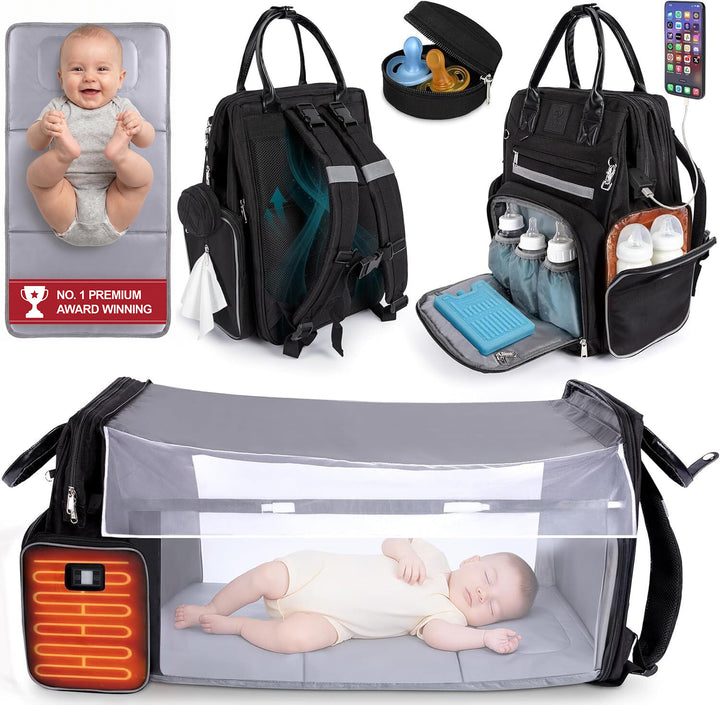
JustBaby Luv, for example, is described as a 3-in-1 design that functions as a diaper bag, portable crib, and changing station. Its 30-inch-long changing station includes a sunshade, along with USB-heated bottle pockets, 15 pockets, and a 31-liter capacity. Those are precise design features worth comparing against your own needs, not reasons to assume every sizeable bag offers the same setup. The numbers back this up.
Match Features to Your Budget and Routine
Price should follow use, not the other way around. Someone making short local trips might value a washable bag and reliable organization more than a big battery system. Someone traveling often might reasonably pay more for better access, stronger construction, or a layout that handles several types of gear at once.
Essential Features for Everyday Errands
And that's just the start. For everyday use, start with a comfortable carry method, a secure bottle area, enough diaper storage, and surfaces that wipe clean easily. A dependable power arrangement only matters if you expect to use the warmer regularly.
If your feeding routine already works fine without active heating, an insulated pocket might be all you need. Make a short list before browsing so attractive extras don't obscure practical gaps. The best choice is really just whichever one reduces friction during your most common outings.
Premium Features for Frequent Travel
That's not the only factor. Frequent travelers might benefit from a broader opening, more structured compartments, a dedicated wet section, or a changing area that unfolds quickly. A USB charging port is also convenient when it matches the power sources you already carry around.
The Loodial Diaper Bag, for instance, is described as offering a USB charging port for a bottle warmer or phone, along with a waterproof design and multiple compartments. Premium doesn't automatically mean lighter, safer, or easier to clean though. Compare the features you'll actually use weekly against ones that sound impressive but just add weight and maintenance.
Trade-Offs Between Capacity and Portability
It goes deeper than that. More capacity can mean more flexibility, sure, but it can also encourage overpacking. A tall, wide bag might hold extra clothing and food while becoming genuinely uncomfortable on public transit or hard to fit under a seat. Consider the fully loaded size, not just the empty measurements.
A useful way to decide is comparing your routine against a few practical criteria before shopping:
-
The number of bottles and spare supplies you carry
-
Whether you need a pump, laptop, or larger changing area
-
How often the bag hangs from a stroller rather than your shoulders
-
Whether you usually have access to a car outlet or wall charger
Think about what that means. After running through that, capacity becomes a tool rather than a target. Choose the smallest layout that comfortably holds your real essentials, with enough flexibility for an occasional longer day.
Warranty Coverage and Long-Term Value
Review the return period, warranty length, exclusions, and process for electrical faults before buying. A warranty means more when the seller clearly explains what happens if the port, heating element, zipper, or stitching fails down the line. The numbers back this up.
Keep the receipt and product instructions, especially for a bag with powered components. Long-term value also includes replacement cables, cleaning effort, and whether the bag stays useful once bottle warming's no longer part of your routine. A versatile diaper bag can earn its cost by continuing to work as an everyday family backpack long after.
Conclusion
The best diaper bag with a built-in bottle warmer isn't simply the one with the most pockets or the fastest heating claim. It's the bag whose power setup, bottle fit, safety controls, organization, comfort, and cleaning demands actually match how you travel with your kid. Test the details that matter at home, and choose dependable practicality over features you're unlikely to ever actually use. And that's just the start.
Frequently Asked Questions
Do all diaper bags with bottle warmers involve a power bank?
No. Some use an external power bank, while others might work with a car adapter or another USB source entirely. Check exactly what's included before purchasing. That's not the only factor.
Can a built-in warmer heat any baby bottle?
Not necessarily. Bottle width, height, material, and liquid volume can all affect fit and performance. Confirm compatibility in the product instructions first.
How should I check a warmed bottle?
It goes deeper than that. Follow the warmer's instructions, mix or swirl the contents when appropriate, and test a few drops on your wrist before feeding. Use current safe-feeding guidance for storage and preparation.
Is an insulated pocket the same as a bottle warmer?
No. Insulation slows temperature change, while an active warmer uses a heating element. Product descriptions should make clear which function the compartment actually provides. Think about what that means.
What size diaper bag is best for a full day out?
Choose a size that holds your usual bottles, diapers, wipes, clothes, feeding supplies, and personal items without becoming difficult to carry. Measure bulky items rather than relying only on a stated capacity number.
Are USB bottle warmers practical for air travel?
The numbers back this up. They can be, but power banks and spare batteries may fall under airline rules. Check present-day requirements for your carrier, and pack cables and batteries where they're easy to inspect.
How can I keep a warmer bag clean?
Wipe spills promptly, keep electrical parts dry, and follow the manufacturer's instructions for removable liners or washable components. Let damp compartments dry fully before storing the bag away. And that's just the start.
Related reading
About the author
Ana Popescu – Mom, Former Daycare Owner & Early Childhood Expert
Ana is a mom of two, former daycare owner, and experienced school teacher. She specializes in early childhood care and development, offering practical advice on baby care, toddler behavior, and child growth. At JustBaby Luv, Ana combines her personal and professional expertise to support families and help them thrive in the early years.