

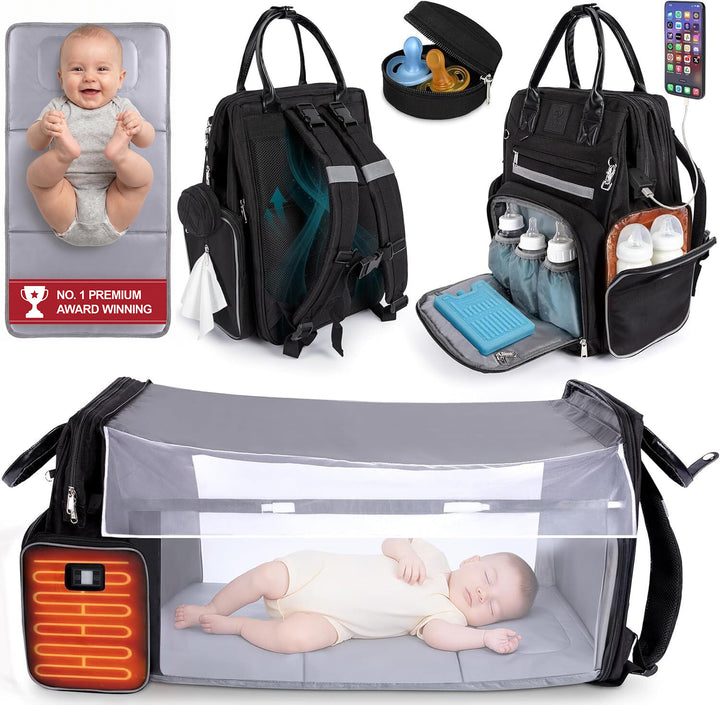

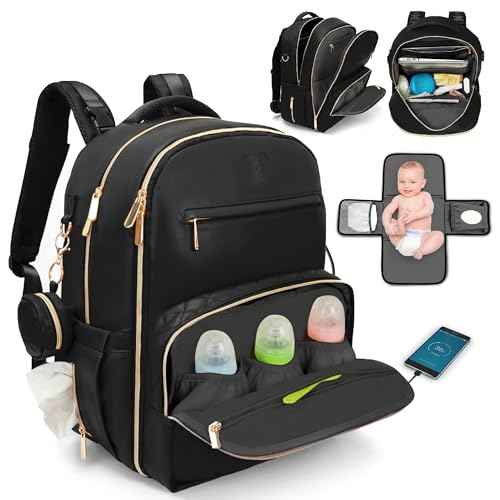

5 Must Have Features in a Diaper Bag with Changing Station

Updated on: February 8, 2026
A diaper bag with changing station combines functionality and convenience for modern parents. This comprehensive guide explores essential features, common mistakes to avoid, and practical tips for selecting the right model. Learn how to maximize organization, portability, and comfort while managing your baby's daily needs on the go. Discover why investing in a quality changing station bag transforms your parenting experience and simplifies travel with infants and toddlers.
New to this? Start with our guide to the best diaper bag with a changing station for the full picture.
Table of Contents
- Common Mistakes to Avoid
- Pros and Cons Analysis
- Quick Tips for Maximum Effectiveness
- Wrap-Up and Key Insights
- Frequently Asked Questions
Understanding the Value of a Diaper Bag with Changing Station
Modern parenting demands practical solutions for the real challenges of caring for infants and toddlers away from home. A diaper bag with a built-in changing station is a genuinely useful innovation here, combining storage with an actual integrated changing surface. This dual-purpose design means you're not hunting for public changing facilities or balancing your baby on some questionable surface just to get through a diaper change. You get a dedicated, hygienic space to change, manage clothing, and stay organized no matter where you end up.
The whole idea of an integrated changing station solves a problem every parent runs into eventually. Restaurant, mall, park, mid-trip, having a built-in changing surface means your child stays safe and comfortable regardless of location. These bags typically bring waterproof materials, multiple compartments, and ergonomic designs that actually reduce strain on your back and shoulders. The investment pays off through better organization, real portability, and honestly, a lot more peace of mind.
Common Mistakes to Avoid
Underestimating storage capacity. A lot of parents buy based on looks alone without thinking through actual storage needs. A changing-station bag has to hold diapers, wipes, clothing changes, bottles, and your own stuff too. Too few compartments means overstuffed pockets and constant disorganization. Think through your actual daily routine and estimate what you carry before you commit to a purchase.
Ignoring material quality and durability. Budget bags often skip the water-resistant or waterproof materials you genuinely need for spills and accidents. Weaker construction fails fast, and zippers give out under normal use. Better materials, premium polyester, faux leather, genuine leather, hold up to daily wear across years, not months. Check the stitching, the hardware, and the fabric weight before buying.
Overlooking the changing station itself. The changing platform is really the core feature of these bags, so it deserves scrutiny. Some designs skimp on padding or use unstable surfaces that make diaper changes genuinely harder or less safe. Weak waterproofing on the pad lets moisture through and degrades the material over time. Prioritize a bag with a thick, cushioned changing surface and full waterproof protection on that platform specifically.
Disregarding ergonomic features. Weight distribution and strap design affect your comfort a lot more than people expect going in. Bags without padded straps or proper weight balance cause real shoulder and back pain with regular use, and uneven weight distribution can create postural issues over time. Look for adjustable, padded straps and a design that actually balances comfort against carrying capacity.
Failing to check compartment accessibility. Poor compartment design means unloading the whole bag just to grab one item. Dedicated pockets for bottles, wipes, or pacifiers should be reachable without disturbing everything else. Test the zippers, snaps, and openings before you buy, not after.

Pros and Cons Analysis
Advantages
- Gives you an independent changing surface without relying on public facilities
- No more balancing your baby on your knees or an uncomfortable surface
- Cuts down on contamination risk with a dedicated, controlled changing space
- Consolidates everything into one portable unit, simpler travel overall
- Waterproof materials protect clothing and prevent moisture damage
- Better organization through dedicated compartments and pockets
- Ergonomic design reduces the physical strain of daily use
- Looks professional enough for a range of environments and occasions
- More peace of mind with ready access to essential supplies
- Durable construction means it's useful well past the infant stage
Disadvantages
- Higher upfront cost than a standard diaper bag
- More bulk and weight once it's fully loaded
- Limited changing surface can make things trickier with a larger toddler
- The attached changing pad reduces the bag's flexibility for other uses
- Some designs restrict access to certain compartments
- Waterproof materials need specific cleaning routines
- Fewer style options compared to standard diaper bags
- Since it's an integrated design, damage to the changing station affects the whole bag's usability
- Can feel like overkill for parents who're usually near home or a changing facility anyway
- Zipper mechanisms take real stress under heavy, repeated use
Quick tips for maximum effectiveness
Organize by frequency of use. Keep your most-needed items in the top or side compartments for quick access, and push backup supplies and occasional items into the deeper pockets. This alone saves real time hunting for essentials mid-change.
Invest in packing cubes and organizers. Small pouches or organizers inside the bag help segment supplies by category. Dedicated wipe holders, bottle organizers, and clothing cubes keep things orderly and make better use of the space you've got.
Set up a restocking routine. Restock supplies right after you get home, so you're always ready for the next outing without a last-minute scramble.
Use the changing station platform thoughtfully. Keep the pad clean and dry between uses, and store it in its designated pocket instead of leaving it exposed to dust or moisture.
Pick a smart spot for bottles and liquids. Give bottles and wet items their own compartment so nothing leaks onto your other supplies. Waterproof pouches add an extra layer of protection.
Choose a solid wipe dispenser. A reliable dispenser keeps wipes from drying out and stays functional longer. Replace the cover regularly to keep things hygienic.
Keep your straps properly adjusted. Adjust shoulder straps for proper weight distribution and real comfort, and check them periodically for wear, adjusting length based on what you're wearing that day.
Build a seasonal supply list. Adjust what's in the bag based on weather, extra layers in cold months, more sun protection in summer.
Practice quick setup and breakdown. Get comfortable deploying and securing the changing station platform quickly. That efficiency takes a lot of stress out of changes in unfamiliar environments.
Watch for worn components. Check zippers, padding, and waterproof coatings regularly, and address wear before it becomes a real problem, that's what keeps the bag functional and extends its usable life.

Wrap-Up and Key Insights
A diaper bag with a changing station is a genuinely practical investment for parents who want convenience, organization, and independence during outings. Building a dedicated changing surface right into a well-designed bag eliminates a lot of the friction that comes with managing infants and toddlers away from home. Quality construction, real organization, and ergonomic features are what separate the premium models from the basic ones.
Getting the most from one of these bags means understanding both what it does well and where it falls short. Avoiding the common mistakes, underestimating storage, ignoring materials, overlooking ergonomics, helps you land on a bag that actually fits your family's needs. For most active families, the benefits of a portable, hygienic changing surface clearly outweigh the downsides.
Putting a few practical habits into place makes the investment work even harder for you. Organized compartments, a consistent restocking routine, and regular maintenance extend the bag's usable life and keep daily convenience high. Short errand or extended outing, a quality diaper bag with a changing station gives parents a genuine sense of confidence and preparedness.
For parents after something more premium, award-winning diaper bags with advanced changing stations bring innovative features and construction built to last. It's worth browsing specialized baby gear collections to find something that actually fits your lifestyle and taste. Parents who care about quality, function, and design tend to find real value in a dedicated changing station bag.
Frequently Asked Questions
What makes a changing station bag different from a standard diaper bag?
A changing station bag includes an integrated, padded platform built specifically for diaper changes. A standard diaper bag focuses mostly on storage without any dedicated changing surface. The changing station version gives you a hygienic, comfortable, independent option that removes your reliance on public facilities or awkward workarounds. The attached pad is usually waterproof, cushioned, and folds down compactly into its own pocket within the bag.
How should I clean and maintain the changing station platform?
Wipe the pad's surface with a damp cloth after every use to clear away moisture and contaminants. For a deeper clean, use mild soap and warm water, then dry it thoroughly before folding and storing. Skip harsh chemicals or bleach, both can degrade the waterproof coating and the fabric over time. Let the platform air dry fully to avoid mold or mildew. Regular inspection keeps the waterproofing effective and the cushioning properly supportive.
Can these bags transition beyond the diaper stage?
Quality changing-station bags often transition well into general travel bags or storage solutions once diaper changes are behind you. The durable construction and multiple compartments make them useful for organizing supplies on family outings, school events, or recreational activities. Some parents repurpose theirs as a first-aid kit, emergency supply container, or travel organizer. The changing platform itself stays useful for organizing small items even after it's no longer needed for its original purpose. If you want continued utility beyond the diaper years, investing in premium construction upfront pays off here.
What size changing station bag fits which lifestyle?
Parents managing short daily outings do well with compact designs that have essential compartments and moderate capacity. Families taking longer trips, doing frequent road travel, or managing multiple kids need larger bags with more storage and organizational features. Think through your typical outing length, how many kids you're managing, and how far you'll be from home facilities when picking a size. Backpack styles distribute weight evenly for hands-free carrying, while tote or crossbody styles offer faster access and easier loading. Match the size and style to your actual lifestyle rather than what looks best on a shelf.
Related reading
About the author
Ana Popescu – Mom, Former Daycare Owner & Early Childhood Expert
Ana is a mom of two, former daycare owner, and experienced school teacher. She specializes in early childhood care and development, offering practical advice on baby care, toddler behavior, and child growth. At JustBaby Luv, Ana combines her personal and professional expertise to support families and help them thrive in the early years.