



The Right Tire Pump for Your BOB Stroller (and Why It Matters)

Keeping your BOB stroller rolling smoothly is a bigger deal than it sounds, especially once you're actually out and about. Flat tires or low pressure can put a real damper on your plans fast. That's where having the right tire pump comes in. Not just about convenience. It's about making sure your adventures don't get cut short by something as simple as a tire issue. Let's talk about why a good pump is genuinely a must-have for any BOB stroller parent.
Key Takeaways
- Proper tire pressure, around 30 psi, matters for both stroller performance and your kid's comfort
- A portable tire pump is a smart thing to keep on hand for quick fixes on the go
- Check tires regularly for wear and tear, and always inflate to the recommended pressure
- Make sure whatever pump you choose actually matches the valves on your BOB stroller tires
- Regular maintenance, tire checks included, helps the whole stroller last longer and stay safer for your little one
Essential Tire Pump for Your BOB Stroller
Keeping your BOB stroller's tires properly inflated matters more than most people assume. Not just about a smoother ride for your kid, though that's a huge part of it. Correct pressure actually affects how the stroller handles, how easy it is to push, and even how long the tires themselves last.
Why Tire Pressure Matters for BOB Strollers
BOB strollers use air-filled tires built to handle all kinds of terrain, city sidewalks, bumpy park trails, whatever. At the right pressure, those tires act like mini shock absorbers, smoothing the ride and making the stroller easier to steer. Think riding a bike with properly inflated tires versus riding on flats. Huge difference in effort and comfort. Underinflated tires make pushing feel like an actual workout, especially on rough ground. They wear out faster too, and can put extra strain on the frame and components over time.
Choosing the Right Tire Pump for Your BOB Stroller
So what kind of pump do you actually need? A few options here. A good quality portable bike pump works perfectly for most parents. Usually compact, and strong enough to handle stroller tire pressure without issue. Some come with adapters for different valve types too, genuinely handy. Look for something easy to use, even in a hurry or out on a trail somewhere. Pumps designed for efficiency matter here, ones that don't take forever to actually add air.
Keeping Your BOB Stroller Tires Inflated
Checking tire pressure regularly is really the key. Doesn't take long, and it makes a real difference. Most BOB strollers recommend a specific PSI, usually around 30, but always check the sidewall of your tire or the stroller's manual for the exact number.
A quick rundown on keeping things topped up:
- Check the Pressure — use a pump with a built-in gauge or a separate tire pressure gauge before each outing
- Inflate as Needed — if pressure's low, add air until you hit the recommended PSI
- Listen for Leaks — give the tires a quick squeeze while you're at it, they should feel firm. Listen for any hissing that might mean a slow leak
A little regular maintenance goes a long way toward keeping your BOB stroller rolling smoothly and safely for all your adventures.
Maintaining Optimal Tire Pressure
Keeping your BOB stroller's tires properly inflated is more than a suggestion. Key to both a smooth ride and how long the stroller actually lasts. A properly inflated tire acts like a good shock absorber, smoothing out bumps and making pushing genuinely easier. Low tires feel sluggish and make maneuvering harder, especially on uneven ground. Plus, it strains the wheels and the stroller itself.
Understanding PSI for BOB Stroller Tires
PSI stands for "pounds per square inch," the standard way to measure air pressure in tires. Your BOB stroller tires have a recommended PSI range, usually printed right on the tire's sidewall. Worth actually finding this number. Might be a range, like "30-50 PSI," or a specific figure. Staying within that range matters. Too low, and you're risking flats and a bumpy ride. Too high, and the ride gets harsh, possibly damaging the tire or rim in the process.
Regular Pressure Checks for Smooth Rides
How often should you actually check? Good rule of thumb, at least once a month, more often if you're a frequent stroller user or notice the tires looking a bit flat. Takes about a minute with a gauge-equipped pump. You can also just squeeze the tire, it should feel firm, not squishy. Consistent checks mean you're always ready for a walk or run without unexpected tire trouble catching you off guard.
The Impact of Underinflation on Performance
Underinflated tires are a real drag, literally. Without enough air, a tire deforms more as it rolls. That increased contact patch with the ground creates more friction, making the stroller harder to push. You'll find yourself working harder, especially uphill or over longer distances. Beyond the extra effort, underinflation leads to premature tire wear, breaking down the rubber faster than it should. It also raises the risk of pinch flats, where the tube gets pinched between the rim and an obstacle, causing a sudden flat. Not worth skipping this simple step, honestly.
Selecting the Best Tire Pump for BOB Strollers
Portable Pumps for On-the-Go Adjustments
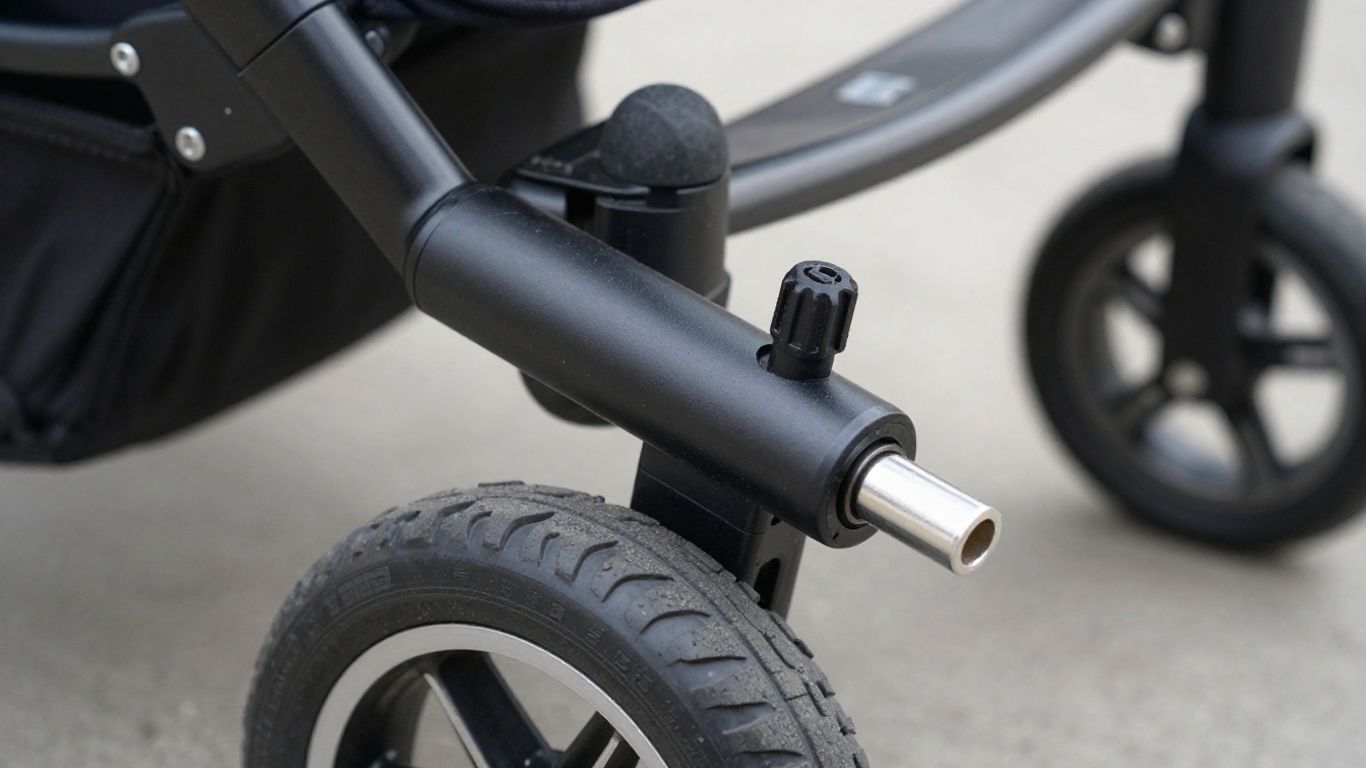
Out and about with your BOB stroller, a flat tire can really wreck your plans. That's where a good portable pump earns its place. Small enough to stash in a basket or bag, strong enough to actually get the job done without a fuss. Think mini emergency kit for your stroller's tires. These are built lightweight and easy to use, so you're not wrestling with a bulky tool while already dealing with a deflated tire.
Compatibility With BOB Stroller Valves
BOB strollers, like a lot of bikes, typically use either Presta or Schrader valves. Schrader valves are the wider, more common type, the ones you see on cars and most bikes. Presta valves run thinner, often found on higher-end road bikes. Genuinely important to make sure your pump handles whichever valve your BOB stroller has, or better, works with both. A lot of modern pumps come with adapters or a reversible head letting you switch between the two. That way you're covered no matter what tire type you're dealing with.
Features to Look for in a Stroller Pump
A few things worth keeping in mind while shopping. Nothing too fancy needed, but a handful of features make a real difference:
- Pressure Gauge — a built-in gauge is a lifesaver. Shows exactly how much air you're adding, so you avoid over or under-inflating. Aim for one that's easy to read
- Sturdy Base/Handle — for floor pumps, a wide, stable base makes pumping way easier. For hand pumps, an ergonomic handle that feels good helps prevent fatigue
- Hose Length — a flexible hose gives more room to maneuver, especially if the valve sits in an awkward spot
- PSI Capacity — most BOB strollers need around 30 PSI. Make sure your pump reaches at least that, ideally a bit more, so it's not straining to get there
A good pump doesn't have to be expensive. Plenty of reliable options exist that are compact, easy to use, and compatible with your stroller's valves without breaking the bank. The key is picking one that actually fits your needs and keeps maintenance simple.
A quick look at what to expect:
| Pump Type | Pros | Cons |
|---|---|---|
| Hand Pump | Very portable, fits in small spaces | Can take more effort to inflate |
| Floor Pump | Easier to use, faster inflation | Bulkier, less portable |
| Mini Bike Pump | Compact, often includes a gauge | Can be less stable during use |
Troubleshooting Common Tire Issues
Even with the best care, tires sometimes act up anyway. Dealing with a flat or noticing your pressure's off is a genuine bummer, especially right when you're ready to head out. Most common tire problems are pretty straightforward to fix, though, so don't panic.
Addressing Flat Tires on Your BOB Stroller
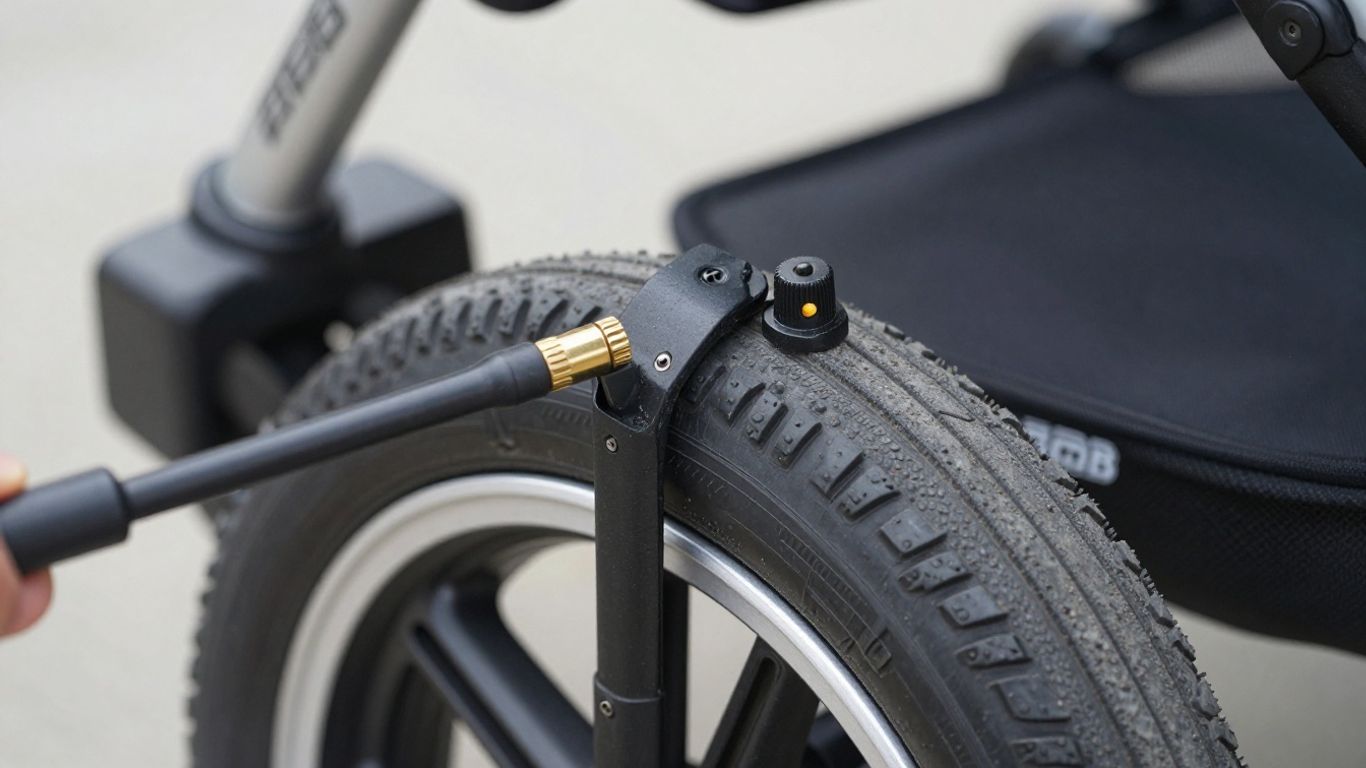
A flat tire usually means a puncture in the inner tube. Not the end of the world, and often you can get rolling again pretty fast. Start by removing the wheel from the stroller. Then carefully pry the tire off the rim. Once it's off, pull out the inner tube and check for holes or tears. Sometimes you'll find the culprit by inflating the tube slightly and listening for escaping air, or feeling for it with your hand. If a sharp object is still stuck in the tire, remove it carefully first.
When to Consider Replacement Inner Tubes
Found a hole in the inner tube? A couple options here. For small punctures, a standard bike tire patch kit often does the trick. But if the hole's large, near the valve stem, or the tube has multiple tears, replacing the whole thing is usually the smarter move. Replacing the inner tube tends to be the most reliable fix for a flat overall. Also worth replacing if the tube's just old and showing wear, cracking, stiffness, that kind of thing.
A quick rundown on when to swap the tube:
- The puncture is larger than a pinprick
- Multiple holes or tears exist
- The valve stem is damaged or leaking
- The inner tube is old, brittle, or cracked
- You can't find the source of the leak after a thorough check
Preventative Maintenance for Tire Longevity
A few simple steps keep your BOB stroller tires in good shape and cut down on flats. Really about being proactive here.
- Regular Pressure Checks — keep tires inflated to your specific BOB model's recommended PSI. Low pressure makes tires more vulnerable to damage
- Inspect Tires Regularly — before heading out, give the tires a quick look. Check for embedded objects like glass or thorns, and watch for wear signs like cuts or excessive tread wear
- Clean Your Tires — after a muddy or dusty ride, clean them off. Helps keep dirt and debris from working into the tire or tube
Sometimes a tire looks fine on the outside, but the inner tube's seen better days. Getting repeated flats in the same tire, even after patching? Might be time for a fresh inner tube. Small investment, saves a lot of hassle down the road.
Beyond Inflation: Stroller Maintenance Tips
Keeping your BOB stroller in good shape goes well beyond just pumping up tires. Think of it like taking care of a car, regular check-ups and a bit of TLC make a real difference in how long it lasts and how well it performs. A well-maintained stroller is a safer stroller, and honestly, it just makes outings smoother overall.
Regular Safety Inspections for BOB Strollers
Before heading out for any adventure, a quick once-over is a smart habit. Doesn't take long, but it catches potential problems before they turn into actual issues. A few key areas worth checking:
- Harness System — straps, buckles, adjusters, all should be in good working order. No fraying or damage, everything latches securely
- Brakes — give them a test. Do they engage firmly? Hold the stroller in place when you need them to?
- Wheels — spin each one. Should move freely without wobbling or weird noises. Give them a gentle tug to make sure they're attached tightly too
- Frame and Fasteners — look over the whole frame. Any loose bolts or screws? Tighten as needed, especially important after rougher paths
A little regular attention prevents bigger headaches down the road. Being proactive, not reactive, matters a lot here when it comes to your kid's safety and the stroller's lifespan.
Cleaning and Storing Your BOB Gear
Keeping your stroller clean isn't just about looks. It preserves the materials. Dirt and grime wear down fabrics and affect moving parts over time. For routine cleaning, sweep out loose debris first. Then use a damp sponge with mild soap and cool water to wipe down the fabric, frame, and wheels. Rinse well, let it air dry completely. Skip the harsh detergents or pressure washers, they can damage the stroller. When it's time to store it, find a cool, dry spot. Keeping it out of direct sunlight prevents fabric fading and stops the plastic from getting brittle over time. Make sure it's totally dry before folding up.
Knowing When to Replace Stroller Parts
Even the best gear wears out eventually. If the tires look pretty worn, or the fabric on the seat or canopy is torn or badly frayed, probably time for a replacement. Using worn-out parts affects how the stroller functions and, more importantly, its safety. Stick with genuine replacement parts to maintain the quality and safety standards your BOB stroller was actually built for. Unsure about a part? Check the user manual or contact customer support directly.
Keep Rolling Smoothly
So there you have it. Keeping your BOB stroller's tires properly inflated is a pretty simple thing, but it makes a genuine difference. A good pump, whether it's the one that came with your console or a small portable one, means you won't get caught out with a flat mid-outing. Just one of those small maintenance habits that keeps your adventures going without a hitch. Don't forget to check those tires now and then, and you'll be set for whatever the path throws your way.
Frequently Asked Questions
Why is keeping my BOB stroller tires full of air so important?
Keeping them properly inflated is genuinely important for a smooth ride. With the right amount of air, tires act like tiny shock absorbers, making bumpy paths feel a lot smoother for your kid. It also makes pushing the stroller easier for you and helps the tires last longer overall.
What kind of pump should I get for my BOB stroller tires?
You want a pump that works with your stroller's tire valves. Most BOB strollers use standard bike valves, so a regular bicycle pump usually does the trick fine. Small, portable bike pumps work great for keeping in the stroller's storage basket or your bag for quick fixes on the go.
How do I know how much air to put in my BOB stroller tires?
Check the side of the tire itself. Usually there's a number printed there, like "30 PSI." That's the maximum pressure the tire can hold. Best to keep pressure around that number for the smoothest ride and to avoid damaging the tire.
How often should I check my BOB stroller's tire pressure?
Good idea to check before every outing, honestly, same as you'd check car tires. If the tires look a bit squishy or the stroller feels harder to push than usual, it's time for a top-up.
What happens if my BOB stroller tire goes flat?
Don't worry if it happens. Usually fixable by replacing the inner tube. Replacement tubes are easy to find online or at bike shops. Having a small pump on hand means you can reinflate the new tube right away.
Besides the tires, what other maintenance does my BOB stroller need?
Regularly check that all screws and bolts are tight. Make sure the brakes work well and the harness straps are in good shape. Keeping the stroller clean and stored somewhere dry when it's not in use helps it last a lot longer too.
About the author
Ana Popescu – Mom, Former Daycare Owner & Early Childhood Expert
Ana is a mom of two, former daycare owner, and experienced school teacher. She specializes in early childhood care and development, offering practical advice on baby care, toddler behavior, and child growth. At JustBaby Luv, Ana combines her personal and professional expertise to support families and help them thrive in the early years.