



Essential Diaper Bag for Plane Travel: Your Ultimate Guide

Taking a trip with your little one feels like a big deal, especially once flying enters the picture. You want everything ready to keep them happy and comfortable, and the diaper bag is really your secret weapon here. It's not just diapers and wipes, it's being ready for whatever the journey throws at you. Here's what actually makes a diaper bag work for air travel, so you can relax and actually enjoy the trip.
Key takeaways
- Pack plenty of diapers, roughly one for every two hours of travel, plus a few extra just in case
- Always bring a portable changing pad and a generous supply of wipes for cleanups anywhere
- Bring enough formula or milk, plus bottles and sippy cups, and mess-free snacks for older babies
- Have at least two extra outfits for your baby and one for yourself, spills and accidents are common
- Include comfort items like a favorite blanket or toy, plus entertainment like small toys or books
Essential diapering supplies for plane travel
When you're flying with a little one, the diaper bag becomes your mobile command center. It needs to be stocked for anything, unexpected delays, inevitable messes, all of it. Here's what you genuinely need on hand for diapering.
Diaper quantity for flights
Figuring out how many diapers to pack can feel like guesswork, but it's always better to have too many than too few. A good rule of thumb: at least one diaper for every two hours of your planned travel time, counting airport time, layovers, and the flight itself. Add a few extras too, for delays, blowouts, or a baby having an unusually busy travel day. Small thing, but knowing you've got enough diapers genuinely saves stress.
A simple way to estimate:
- Short flight (2 to 4 hours): 4 to 6 diapers
- Medium flight (4 to 7 hours): 7 to 10 diapers
- Long flight (7+ hours): 10 to 15 diapers
Factor in airport time before and after the flight too.
Portable changing pad
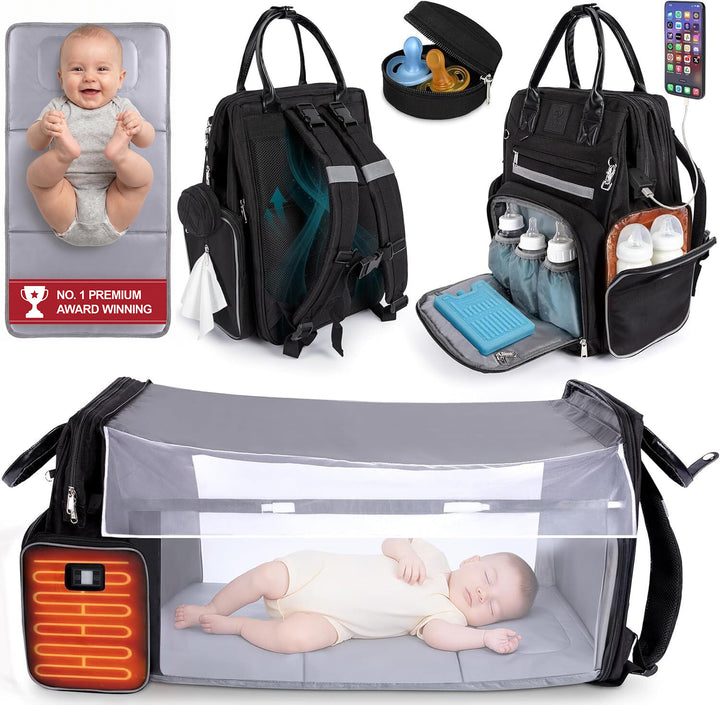
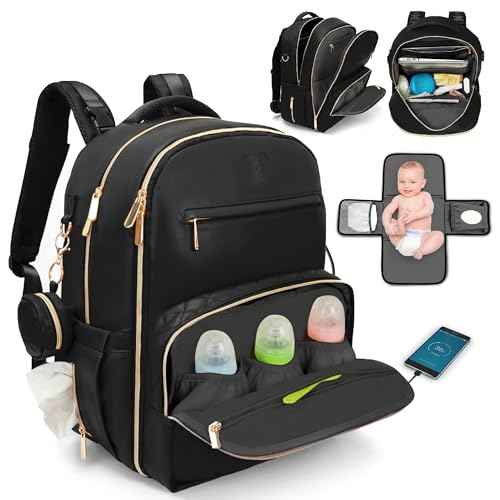
Airplane bathrooms are famously tiny, and airport changing stations aren't always great either. A portable changing pad is genuinely a game-changer, giving your baby a clean, familiar surface no matter where you end up. Look for something lightweight, easy to fold, and ideally waterproof or easy to wipe down. A lot of them come with pockets for a couple diapers and a small pack of wipes, essentially a self-contained changing station you can grab and go.
Wipes: the ultimate travel companion
Wipes aren't just for diaper changes, they're doing double duty the entire trip. Sticky hands and faces, tray tables, armrests, minor spills on you or the baby, wipes handle all of it. Pack a travel-sized pack, and bring a bigger one if you have room, or decant some into a smaller resealable bag. Plenty of wipes means everyone stays relatively clean and comfortable the whole way.
Diaper cream for extended wear
On a plane, you might not get to change your baby as often as you would at home, which raises the risk of diaper rash. A travel-sized tube of diaper cream is a smart addition, a good barrier cream before a long stretch between changes protects delicate skin. Simple step, but it makes a real difference in keeping your little one comfortable through the whole journey.
Feeding and hydration on your flight
Keeping your baby fed and hydrated is a big part of a smooth flight, especially since onboard meal service for babies is unpredictable at best, nonexistent at worst.
Formula and Milk Provisions
When it comes to milk or formula, airlines are generally understanding. You can bring reasonable quantities of liquids that are essential for feeding babies, like breastmilk, formula, and even distilled water for mixing. It's a good idea to pack more than you think you'll need, just in case of delays or longer travel times. For formula, consider using pre-measured dispensers to make mixing easier on the plane. If you're bringing bottles, remember that liquids for babies might go through extra screening, but they are allowed under TSA rules. You can find more information on what's permitted for baby feeding supplies.
Snack options for little travelers
For babies and toddlers who've started solids, snacks are a lifesaver. Look for things that are easy to eat and don't create a huge mess:
- Cereal puffs
- Teething biscuits
- Small pieces of fruit (banana, berries)
- Baby food pouches (under 3.4 ounces if you want to avoid extra screening)
It's also smart to grab a few snacks at the airport before boarding, more variety, and more to keep your child occupied and happy.
Bottles and sippy cups
Make sure you've got enough bottles or sippy cups for the flight, plus a couple of extras. If your baby uses a pacifier, bring one along, sucking helps their ears adjust to pressure changes during takeoff and landing. A familiar cup also does a lot for comfort and routine.
Planning ahead on feeding really pays off. A well-stocked supply of familiar foods and drinks prevents meltdowns and keeps your baby content through the flight. Never underestimate a well-timed snack or a comforting sip of milk.
Clothing and Comfort for Your Baby
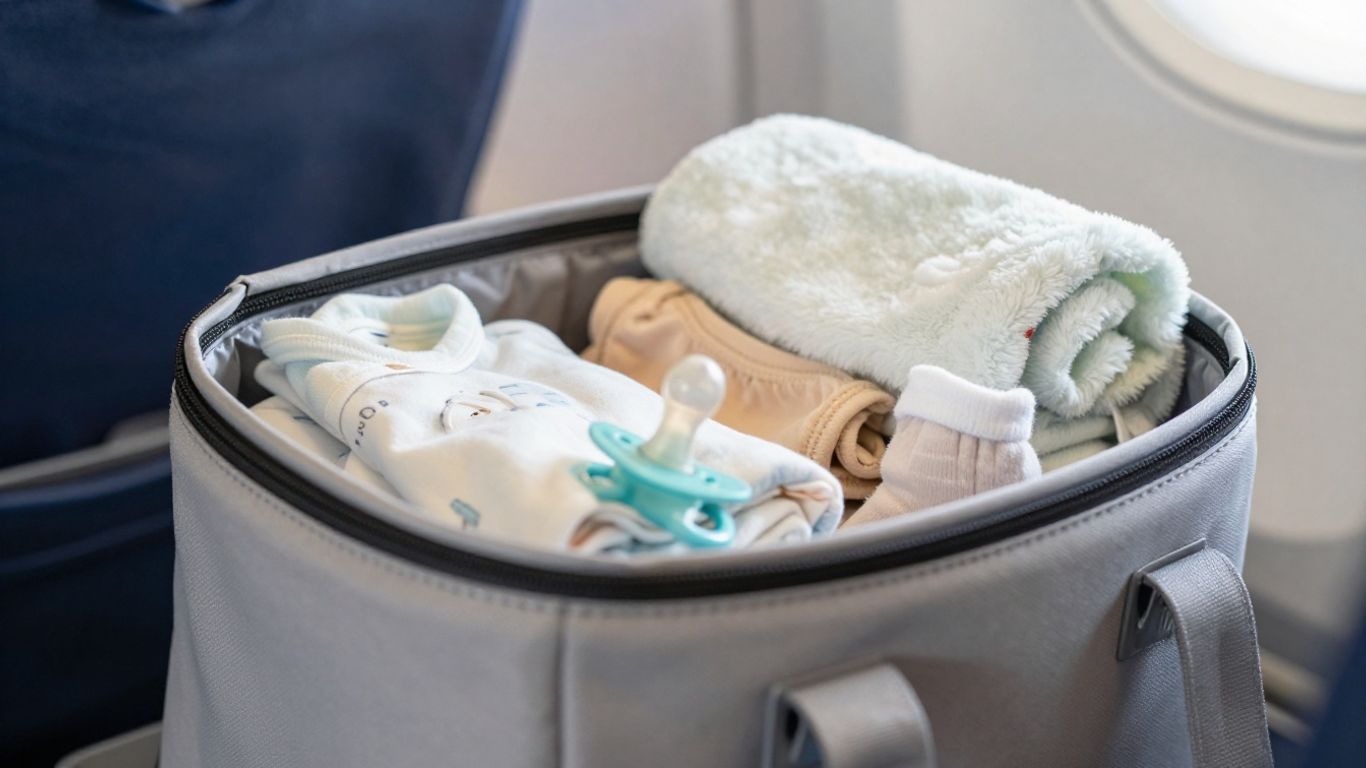
Babies are unpredictable, that's part of the charm, but on a plane, a small mess turns into a real problem fast if you're not ready for it. Extra clothes and comfort items keep everyone happy.
Extra outfits for unexpected messes
Spit-up, diaper leaks, a rogue sip of juice, these things happen. Better to overpack outfits than run short. Aim for at least two full changes of clothes for your baby on a typical flight. Don't forget socks or booties, tiny feet get cold fast. A spare shirt for yourself is worth packing too, you never know where the next projectile is landing.
Quick rundown for packing clothes:
- Baby's outfits: 2 to 3 full outfits per day of travel, covering spit-up, blowouts, and general baby chaos, laundry might not be an option on the trip
- Socks/booties: at least two pairs per day
- Parent's shirt: one extra shirt for the caregiver
Zip-top bags for soiled clothes are worth packing too, they contain the mess and keep the rest of your bag smelling okay.
Comfort Items for Familiarity
Airplanes can be noisy and a bit overwhelming for little ones. Bringing a familiar comfort item can make a world of difference. This could be their favorite stuffed animal, a special blanket, or even their pacifier in a clean case. These items provide a sense of security and can help ease anxiety in a new environment. If you're looking for a multi-tasker, consider a plush toy that also has a soothing sound feature. Having these familiar items can make a strange environment feel a little more like home. These comfort items can be a lifesaver.
Blankets for Warmth and Cleanups
A lightweight blanket earns its keep on a trip like this. Warmth if the cabin gets chilly, a bit of shade for a nap, a clean surface for tummy time. Plenty of parents also use one for impromptu cleanups or extra padding during a diaper change. Simple item, proves its worth over and over.
Entertainment and Soothing Strategies
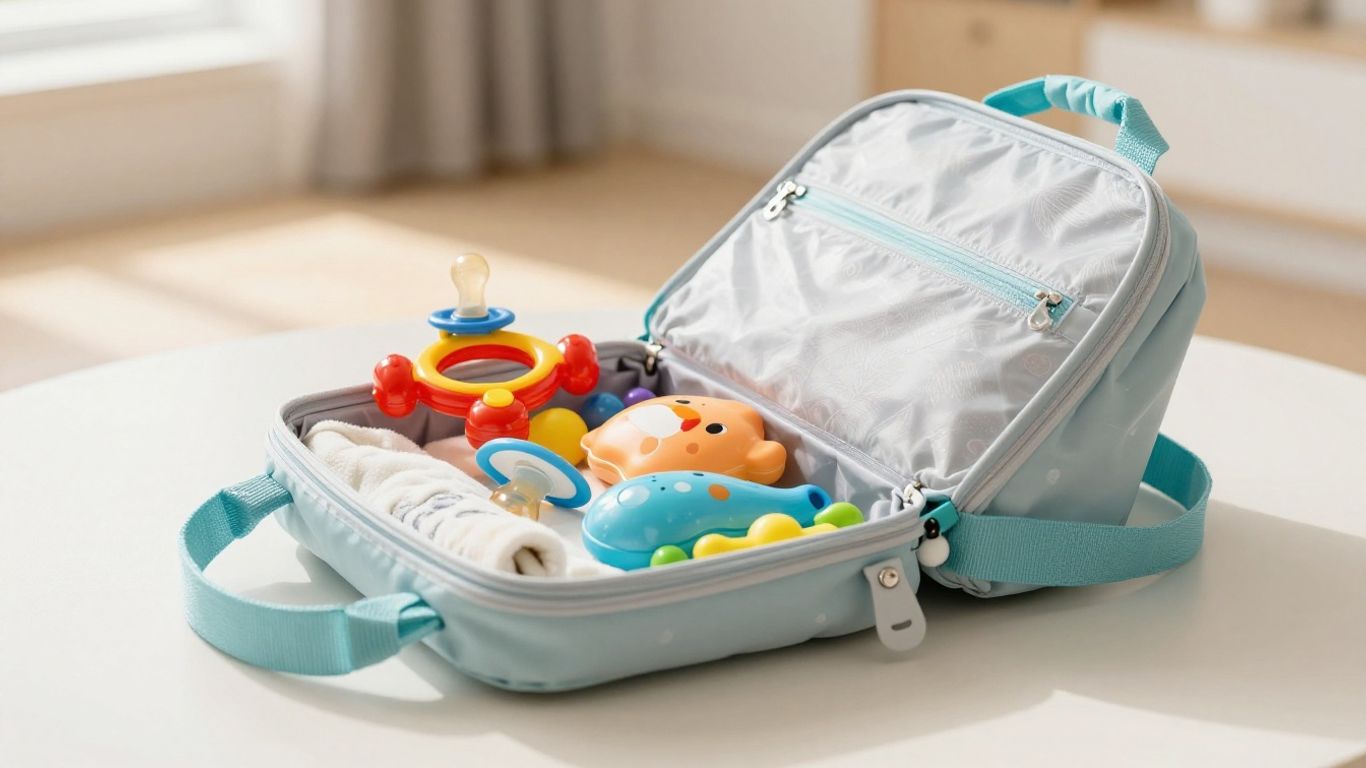
Keeping a little one calm during travel is a real ask, but the right distractions and comfort items make a huge difference. Think of this as your defense against the inevitable "are we there yet" meltdown.
Engaging toys for quiet play
When your baby gets restless, a few small, quiet toys go a long way. Avoid anything with tiny pieces that can vanish under airplane seats or into the airport floor abyss. Go for self-contained toys with different textures or sounds, soft crinkly books, small plush toys with rattles, simple stacking toys without too many parts. One parent found a $20 toy on Amazon that successfully headed off a toddler meltdown on a 3-hour flight, proof that simple often wins. Packing a couple of new, inexpensive toys your baby hasn't seen before is smart too, the novelty buys extra quiet time.
Soothing devices for calm
Sometimes you need a little extra help keeping the peace. A familiar sound is genuinely comforting in a new environment. If your baby has a favorite pacifier, keep it accessible, a clip helps stop it from falling. A portable sound machine is worth considering too, white noise or gentle shushing sounds that mimic the womb and help lull a fussy baby to sleep. Lightweight, battery-operated options travel best. A calm baby usually means a calmer flight for everyone around you.
Books for distraction
Books are great for engaging little minds and passing time. Sturdy board books with bright pictures and simple text work well. Lift-the-flap books are especially captivating for babies and toddlers, adding an interactive element. Even before your baby's reading, looking at pictures and turning pages is genuinely fun for them. Pack a couple of favorites from home, plus maybe one new small book for a bit of surprise, a low-tech way to keep them occupied without a screen.
Traveling with a baby means embracing the unexpected. You can pack all the right gear, but flexibility and patience end up being your best tools anyway. Don't stress if things don't go exactly to plan, focus on keeping your baby comfortable and safe, and you'll get through it just fine.
Health, safety, and cleanup kit
Unexpected things happen when you're traveling with a little one. A few key items in your diaper bag make a real difference when you need them, being prepared for the little bumps in the road, or in this case, the flight path.
First aid essentials
A small kit for minor scrapes and boo-boos is always worth having, your mini hospital on the go. Nothing elaborate, just the basics:
- Bandages: a few sizes for small cuts or blisters
- Antiseptic wipes: for cleaning small wounds before a bandage
- Sterile gauze pads: for covering larger scrapes if needed
- Medical tape: to secure gauze pads
Pain relief for ear pressure
Airplane ear is real, and it's genuinely uncomfortable for babies and toddlers. Pressure changes during ascent and descent can cause real pain, and having a pain reliever on hand can be a lifesaver.
- Infant or children's pain reliever: acetaminophen or ibuprofen, with the correct dosage for your child's age and weight
- Dosage syringe or dropper: for accurate, easy administration
Check with your pediatrician before the trip about appropriate pain relief options and dosages for your child, especially for infants, they may also have specific advice on managing ear pressure during flights.
Plastic bags for dirty items
Incredibly useful for a bunch of reasons while traveling, they contain messes and keep your bag organized and odor-free.
- Diaper disposal: for soiled diapers when there's no trash can nearby
- Soiled clothing: to store wet or messy clothes until you can wash them
- Trash: wrappers, used wipes, other small garbage
- Wet items: damp washcloths or bibs
Parent essentials for a smooth journey
Quick access to personal items
Traveling with a baby makes it easy for your own needs to slide to the bottom of the list. But you genuinely can't take care of your little one if you're stressed about finding your own wallet. Keep your wallet, ID, phone, and any necessary medications in a pocket or small, easily accessible pouch within the diaper bag or your carry-on. Think ahead about what you might need in a pinch, a quick snack, your phone charger. Easy access to your own stuff means less digging and more focus on your baby.
Extra shirt for caregivers
Genuinely a lifesaver. Babies have a real talent for projectile spit-up and unexpected diaper leaks landing on whoever's closest. A clean spare shirt tucked away means you can change quickly and feel human again without waiting until you reach your destination or find a private restroom. Small thing, big difference in how you feel through the trip.
Hand sanitizer and tissues
Airplanes and airports are basically germ factories, and cleanliness matters even more with a baby along. Keep travel-sized hand sanitizer handy for yourself and for wiping down surfaces before your baby touches them, tray tables, armrests, all of it. A small pack of tissues is useful too, quick cleanups, wiping noses, or as a makeshift napkin in a pinch.
Keeping your personal items organized isn't just about convenience, it's about holding onto your own comfort and sanity during what can be a genuinely hectic travel day. A little planning here goes a long way.
You've got this
Packing a diaper bag for a plane trip might seem like a lot, but it's completely doable. Think of it as your travel superhero kit. A little time gathering your must-haves sets you up for a much smoother journey. You've got the list, you've got the tips, and you've definitely got the strength for this. Now go make some memories with your little one, happy travels.
Frequently asked questions
How many diapers should I pack for a flight?
Pack more than you think you'll need. A good rule of thumb is one diaper per two hours of travel time, plus a few extras just in case. Delays and messy accidents happen, so being overprepared beats running out mid-flight.
What are the best snacks for a baby on a plane?
For babies eating solids, go for snacks that aren't too crumbly or messy, fruit pouches, crackers, baby puffs. For younger babies, make sure you have enough formula or pumped milk, plus extra bottles. Always better to bring a bit more than you think you'll need.
Do I really need an extra outfit for myself?
Yes, absolutely. Babies are unpredictable. Spit-up, leaky bottles, diaper blowouts can happen any time, and they tend to land on the closest person, usually you. An extra shirt for yourself is a genuine lifesaver and makes you a lot more comfortable during and after a messy moment.
Are baby liquids allowed through airport security?
Yes, you can bring baby formula, breast milk, and juice in reasonable amounts for your baby or toddler. The usual liquid limits don't apply, just let the TSA officer know about these items at the checkpoint.
What can I do to keep my baby entertained on a long flight?
Bring a few small, engaging toys without tiny parts that could get lost. Board books or soft toys work well. Familiar comfort items like a favorite blanket or stuffed animal help soothe your baby in an unfamiliar setting too. A new, wrapped toy can also be a fun surprise mid-flight.
How can I make sure my diaper bag stays organized?
Use small bags or pouches to group similar items, diapers and wipes together, snacks together. Keep the most important things, wipes, a pacifier, a snack, near the top or in an outside pocket for fast access. Don't try to pack everything you own, stick to versatile items that pull double duty.
About the author
Ana Popescu – Mom, Former Daycare Owner & Early Childhood Expert
Ana is a mom of two, former daycare owner, and experienced school teacher. She specializes in early childhood care and development, offering practical advice on baby care, toddler behavior, and child growth. At JustBaby Luv, Ana combines her personal and professional expertise to support families and help them thrive in the early years.