



Best Bassinets for Infants: Comfort and Safety Picks

Updated on: 2026-06-01
If you’re shopping for your baby’s first sleep setup, choosing from the best bassinets for infants can feel overwhelming fast. There are a lot of features to compare, like size, mobility, safety basics, and how easily the bassinet fits your home routine. The good news is you don’t need a perfect product—you need the right fit for your baby and your life. This guide breaks down common mistakes and gives you a simple checklist to shop with confidence.
How to Choose the Best Bassinet for Your Infant
- Common Mistakes to Avoid
- Buyer's Checklist
- How to Choose the Right Bassinet
- Comfort and Sleep Safety
- Setup and Daily Routine
- Frequently Asked Questions
- Wrap-Up and Final Thoughts
Choosing a bassinet is one of those small-detail, big-impact decisions. You want something that supports safe sleep, feels good to use night after night, and actually fits the space where you'll be spending those early months.
If you've been hunting for the best bassinets for infants, you're in the right place. Let's walk through what actually matters, what's easy to miss, and how to narrow your options without losing your mind at 2am in a browser tab full of open bassinet listings.
Common mistakes to avoid
Even the most well-meaning parents get tripped up by pretty marketing photos and long feature lists. Here's what to watch for.
Buying based on looks alone
A bassinet can be genuinely adorable and still be a bad fit for your home. Focus on the practical stuff instead: how it fits your floor space, how stable it feels, and whether you'll actually be moving it around (or leaving it put).
Skipping the safety basics
Safety features aren't a "nice to have." Stable construction, the correct sleeping surface, and whether any add-ons are actually recommended for use all matter more than anything else on this list.
Choosing the wrong size for your space
Some bassinets eat up more floor space than you'd guess, especially once you add a changing station, a chair, or diaper supplies nearby. Measure your space and think through your routine before you buy anything.
Overpacking the sleep area
It's tempting to dress up a plain-looking bassinet with extras. Don't. A sleep space should stay simple and clutter-free. When you're unsure what's safe to add, follow the product's own guidance rather than guessing.
Not thinking about day-to-day access
If you're reaching awkwardly or bending too far every time you soothe your baby, you'll feel it after just a few nights. The better choice is the one that actually supports how you care for your baby in real life, not just how it looks in a showroom.
Buyer's checklist
Use this as a quick yes-or-no filter. If an option checks most of these boxes, you're probably on the right track.
- Stable base: it should feel solid and not wobble when you touch it
- Correct sleeping surface: use the surface included and as directed by the manufacturer
- Proper fit: it should fit your room layout without feeling cramped
- Comfort for your baby: breathable materials, a surface actually meant for infants
- Easy setup: fewer steps means fewer chances to miss something important
- Easy access: think about how you'll pick up and soothe your baby at night
- Portability you'll actually use: if you want to move it, pick a model that's genuinely manageable
- Cleanability: removable, washable components wherever possible
- No risky add-ons: skip improvising with blankets, pads, or anything not designed for that specific bassinet
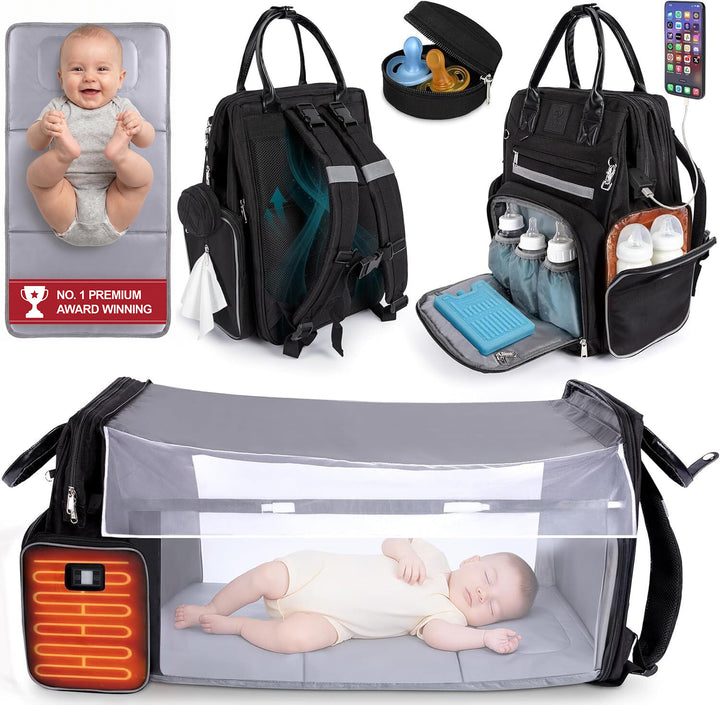
If you're also thinking about a practical system for feeding and changing, it's worth planning the whole corner, not just the bed. Bundling your bassinet setup with an organized diaper station is worth a look, check out all baby essentials for storage and travel-friendly accessories.
How to choose the right bassinet
Instead of comparing every single product detail, focus on the choices that actually affect safety, comfort, and your routine.
Start with your space and your schedule
Where's the bassinet going to live most of the time? Bedroom for overnight care, living room for naps, or both? Your answer shapes size, placement, and how often you'll be moving it around.
Mobility vs. stability
Plenty of parents love the idea of rolling a bassinet from room to room, and that makes sense. Still, stability matters more than "cool mobility." If it moves, it needs to lock securely and feel predictable every time.
Consider height for easier nighttime care
A bassinet at the right height for you can make a real difference when you're exhausted. You'll be reaching in and checking on your baby constantly, so it needs to feel manageable, not like a workout.
Think about cleaning and everyday mess
Babies are fast, and laundry is real life. Look for surfaces and covers built to be cleaned easily, so keeping things fresh doesn't turn into a weekly project.
If you're upgrading your everyday gear at the same time, it's worth browsing popular baby gear to keep your supplies close and organized.
Comfort and sleep safety
Comfort and safety go hand in hand here. When parents feel confident about the sleep setup, they get to focus on soothing and bonding instead of second-guessing every decision.
Choose the right sleeping surface, every time
Most bassinets are designed around a specific mattress or insert. Stick to what the manufacturer recommends for the bassinet you actually bought. That's what keeps the surface fitting properly and staying safe to use.
Keep the sleep area simple
It's tempting to dress up the bassinet with cute bedding. Resist the urge. Avoid adding anything that wasn't designed for it. A basic, uncluttered setup is easier to maintain and easier to stay consistent with.
Watch airflow and temperature
Breathable, baby-friendly materials matter. If your baby seems uncomfortable, check the room temperature first before reaching for extra bedding to fix it.
Know when to stop using a bassinet
Most bassinets are built for a limited growth window. Follow the product's guidance on size and weight limits closely. It's better to transition early than to push past what's recommended.
Note: for precise safety recommendations, always follow the bassinet's manual and guidance from qualified healthcare professionals. This is practical shopping advice, not medical advice.
Setup and daily routine
A good bassinet isn't just a product, it's a routine that actually supports you. Here's what to think through once you've unboxed it.
Place it where you can reach it fast
Think through your night path: check, soothe, maybe pick up, then return. If the bassinet's too far from where you usually are, you'll spend more time getting up than you'd like.
Keep essentials nearby
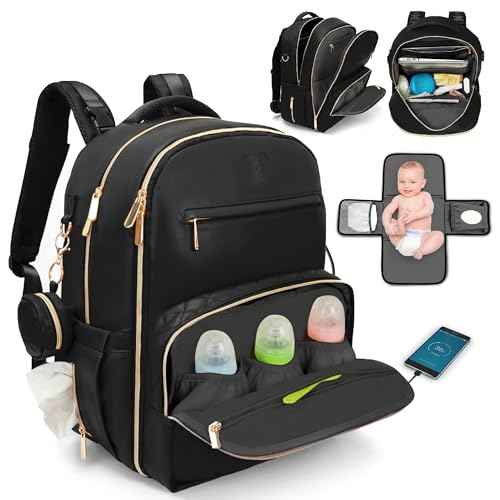
Before your first night, set up a simple flow. Diapers, wipes, and a spare outfit should all be within easy reach. If you like everything grouped together, a well-designed diaper bag or changing-focused organizer helps keep the motion smooth.
If you like staying prepared while moving around the house, browsing JustBaby Luv collections is worth it for everyday options that pair well with your new routine.
Test the movement, if it's mobile
If the bassinet is designed to move, run a quick test during the day. Check for smooth wheels, secure locking, and clear floor space. You don't want to discover a snag for the first time in the middle of the night.
Build a consistent check habit
Make it part of your routine: confirm the sleeping surface is positioned correctly, the setup looks the way it should, and any removable pieces are secured properly.
Frequently asked questions
What makes a bassinet the "best" for infants?
The best bassinets for infants match your space and support safe, straightforward sleep. Look for stable construction, a properly designed sleeping surface used as directed, easy access for nighttime care, and clear manufacturer guidance on which accessories, if any, are safe to use.
Should I choose a bassinet with wheels?
Wheels can genuinely help, especially if you want your baby nearby while you get chores done. That said, stability still comes first. If you go with a wheeled model, make sure it locks securely and feels steady when you touch it.
How do I keep the bassinet clean without messing with the setup?
Stick to components that are actually meant to be cleaned or removed. If covers or liners are washable, follow the care instructions closely so you don't compromise the fit. During routine cleaning, don't swap in random items that weren't designed for that specific bassinet.
Can I use extra bedding like blankets or pillows?
In most bassinet setups, extra bedding that wasn't designed for the product isn't recommended. Keep the sleep area minimal and follow the bassinet's manual. If you're unsure, ask your pediatrician or a qualified healthcare professional for guidance specific to your situation.
Wrap-up and final thoughts
Shopping for the best bassinet for your infant doesn't have to be a stressful maze. Focus on stability, the right sleeping surface, a simple sleep area, and a setup that fits your daily routine, and you'll feel more confident from day one.
The "perfect" bassinet is really just the one that fits your home and helps you care for your baby safely and consistently.
If you want the whole nursery and parenting workflow to feel smoother, pair your bassinet plan with organized baby gear. Explore baby essentials to build a practical setup that actually matches your life. And if you're still weighing options, take this checklist back to your top picks and see which one feels easiest to use, every single day.
Disclaimer: This article is for general informational purposes only and does not provide medical advice. Always follow the bassinet manufacturer’s instructions and consult a qualified healthcare professional for safety guidance tailored to your baby.
About the author
Ana Popescu – Mom, Former Daycare Owner & Early Childhood Expert
Ana is a mom of two, former daycare owner, and experienced school teacher. She specializes in early childhood care and development, offering practical advice on baby care, toddler behavior, and child growth. At JustBaby Luv, Ana combines her personal and professional expertise to support families and help them thrive in the early years.
The content in this blog post is intended for general information purposes only. It should not be considered as professional, medical, or legal advice. For specific guidance related to your situation, please consult a qualified professional. The store does not assume responsibility for any decisions made based on this information.