



The Ultimate Guide to Choosing the Perfect Sling Backpack in 2026

Looking for a sling backpack, huh? Smart move. They're way easier to live with than a bulky two-strap backpack, and everything stays exactly where you can grab it without breaking stride. The problem is there are approximately a million options out there, and picking the right one can start to feel like a research project you didn't sign up for. Here's how to actually cut through it, so you land on a sling backpack that genuinely fits your life instead of just your Instagram feed.
Key takeaways
- Figure out what you'll mainly use it for, daily errands, travel, or something else, that alone narrows the field fast
- Check the materials and construction, good zippers, tough fabric, solid stitching, all of it adds up to a bag that lasts
- Think about how it actually feels to wear, not just how it looks on a shelf, comfort matters a lot more once you're an hour into wearing it
- Consider the internal layout, plenty of pockets help with organization, but too many just becomes its own kind of chaos
- Don't ignore looks, a sling backpack is an accessory too, so make sure you actually like glancing down and seeing it on you
Understanding Your Sling Backpack Needs
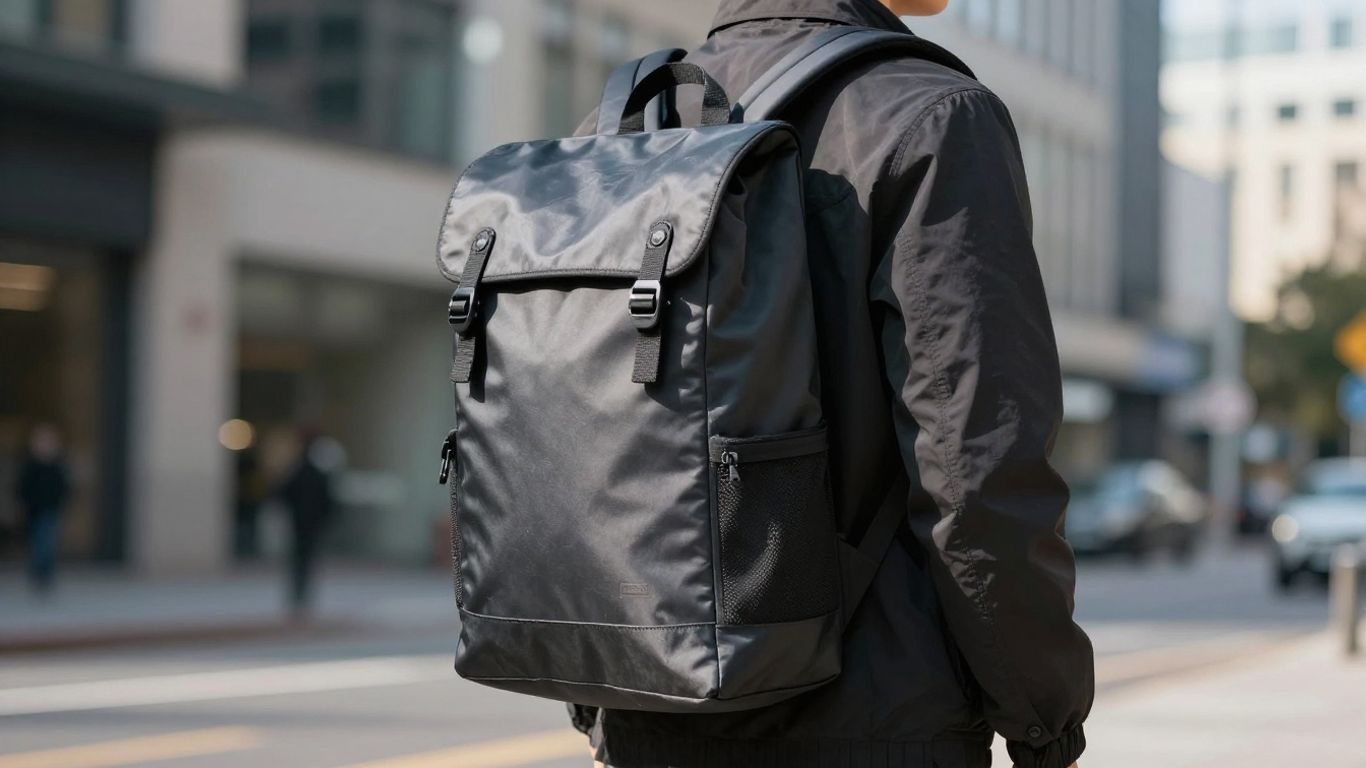
Before you get distracted by cool colorways or fancy zipper pulls, the real first step is figuring out what you actually need this bag to do. Sounds obvious, but skipping this step is exactly how bags end up abandoned in the back of a closet. Your daily routine, and what you actually carry through it, drives almost everything else.
Defining your primary use case
What's this bag's actual job? Coffee runs, gym gear, longer trips out of town? Nailing this down narrows things fast. Mostly commuting? You want easy access and real security. Mostly hiking? Durability and water resistance jump to the top of the list. Think honestly about where you'll actually be using it, not where you imagine you might.
- Everyday carry: phone, wallet, keys, maybe a small notebook or portable charger, these need to come out fast
- Travel: documents, snacks, a water bottle, maybe a small camera or tablet, security and comfort over long stretches both matter
- Specific activities: photography, cycling, gym trips, these tend to demand their own specialized compartments
The best sling bag is one that basically disappears once it's on you. Not one that keeps reminding you it exists because it's awkward or uncomfortable. Function comes first, always.
Assessing daily carry essentials
What actually rides around with you on a normal day? Be honest, lay it all out on the table. That pile tells you a lot about the size and organization you actually need. A true minimalist might get by with a small pouch for phone and wallet, while someone else needs room for a tablet, a book, a water bottle, and a snack for good measure.
A quick way to sort it out:
- Small essentials: phone, wallet, keys, earbuds
- Medium items: a small notebook, a pen, a portable charger, sunglasses
- Larger items: a tablet, a book, a water bottle, a light jacket
Think about how you actually like to organize, too. One big open pocket to toss things into, or a precise spot for everything? This is exactly where internal layout starts to matter a lot more than it seems like it should.
Considering travel scenarios
If travel's part of the equation, think through what you'll genuinely need on the move, which usually means prioritizing security and speed. Hidden pockets for valuables, or a fast-access spot for your passport and boarding pass, are worth actively hunting for.
| Item type | Typical size | Sling capacity needed | Notes |
|---|---|---|---|
| Phone and wallet | Small | 1–3 liters | Quick access is key |
| Tablet and charger | Medium | 3–7 liters | Needs some padding and organization |
| Water bottle | Medium | 5–10 liters | External pocket or dedicated sleeve helps |
| Light jacket | Large | 7–15 liters | Might push the limits of a true sling |
Comfort matters even more for travel, since you'll likely be wearing it for hours at a stretch. How the strap feels and how weight distributes across your body makes a real difference by the end of a long travel day.
Evaluating Sling Backpack Quality and Materials
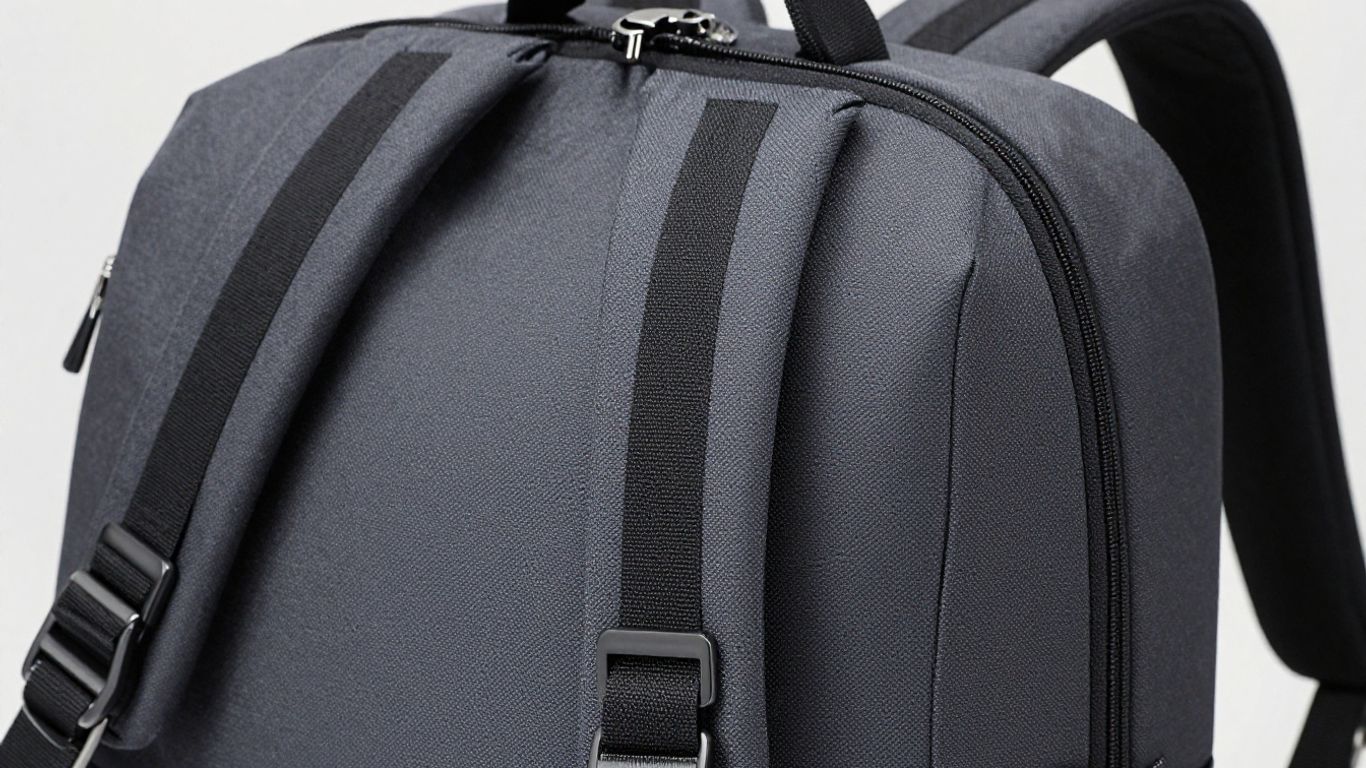
A sling backpack isn't just about looks, however much the marketing photos want you to think otherwise. What it's actually made of, and how well it's put together, determines whether it survives daily life or falls apart in month three. Think of it like buying a good knife, you want something sturdy that holds up to real use, not something that just looks the part in a drawer.
Fabric durability and water resistance
The fabric is the first thing you'll notice, and it should be tough enough to survive daily bumps and, ideally, a little rain too. Nylon shows up everywhere for good reason, tough without being heavy. Ballistic nylon, originally developed for military gear, is genuinely strong and resists both tears and water impressively well. Ripstop nylon uses a special weave that stops small tears from turning into big ones. Some bags even go with sailcloth, built for actual ocean use, so you know it can handle whatever weather you throw at it.
| Material | Pros | Cons |
|---|---|---|
| Nylon | Lightweight, durable, soft | Quality varies a lot |
| Ballistic nylon | Very strong, water-resistant, tear-proof | Heavier and stiffer |
| Ripstop nylon | Tear-resistant, lightweight | Can feel a bit rough |
| Polyester | Solid water resistance, durable | Heavier than nylon |
| Cordura fabrics | Extremely durable, abrasion-resistant | Can be expensive |
Water resistance is worth taking seriously even if storm-hiking isn't on your calendar. A puddle splash or a sudden downpour happens more often than you'd think. Look for fabric that naturally sheds water, or a protective coating that does the job for it.
Zipper and buckle construction
Don't skip past the zippers and buckles, they matter more than they get credit for. The best fabric in the world doesn't help once a zipper blows out mid-commute. Brands like YKK have earned their reputation for reliable zippers, usually in a #5 or #8 size range, a solid middle ground between durability and bulk. For buckles, metal generally beats plastic on toughness, though it adds weight and can feel a bit harder against your body, a real tradeoff between strength and comfort worth weighing.
Warranty as an indicator of quality
Sometimes the clearest signal a company actually believes in its own product is the warranty they're willing to offer. A longer warranty, or one covering a wide range of issues, usually means they've built something they're confident will hold up. A lifetime warranty in particular is a pretty strong vote of confidence from the manufacturer.
Key features for optimal functionality
Looks and capacity only get you so far. The real difference between a bag you love and one you tolerate comes down to the details, the stuff that makes it comfortable, easy to use, and genuinely suited to how you actually move through your day.
Strap design and comfort
The strap is your one real connection to this bag, so it needs to feel genuinely solid, not like an afterthought. Basic nylon webbing works fine for light loads, but padded straps help distribute weight once things get heavier, even if they occasionally run a bit sweaty or bulky. The best straps pad only where they actually touch your body, striking a balance between comfort and staying lightweight. Look for straps that adjust easily and, ideally, swivel a bit, so they move with you instead of constantly fighting you. A strap that digs in or feels off after an hour just isn't worth it, no matter how good the bag looks in photos.
Internal organization and pocket layouts
This is where a sling backpack either becomes a genuine lifesaver or a daily source of low-grade frustration. Some bags keep it dead simple, one main compartment, fine if you're just tossing a few things in, but it turns messy fast once you're carrying more. Others come loaded with pockets, dividers, and elastic loops, fantastic for staying organized, though too many can start to feel like overkill. Think honestly about what you actually carry. A dedicated water bottle spot? A padded tablet sleeve? A couple of fast-access pockets for wallet and sunglasses? A genuinely good layout means finding what you need without a whole excavation project.
Common pocket types:
- Main compartment: the largest section, for bigger items
- Front pockets: great for fast access to phone, keys, or a small snack
- Internal organizers: smaller pockets, mesh sleeves, or elastic bands inside the main compartment for sorting small items
- Back pockets: often hidden or zippered, good for valuables like a wallet or passport
Capacity and size: the Goldilocks principle
Getting the size right matters more than people expect. Too small, and you're leaving things behind constantly. Too big, and it feels bulky and honestly defeats the entire point of choosing a sling in the first place. A 1-liter bag might be plenty for phone, wallet, and a small notebook, while a 2-liter option handles a bit more, a compact camera, a light jacket. It's really about matching capacity to what you actually carry, not what looks impressive listed on a spec sheet. You don't want something stuffed to bursting every day, but you also don't want a bag that feels half-empty and floppy. Think through a typical day honestly, then leave just a little room for the "just in case" items.
Exploring different sling backpack styles
Style is a real part of this decision too, not just how the bag looks on its own, but how it actually fits into your life and what you're doing day to day.
Minimalist urban designs
Clean lines, simple shapes, usually neutral colors like black, grey, or navy that pair with basically anything in your closet. Great for city life, commuting, coffee runs, errands. Not much in the way of extra flourishes here, the whole focus is a sleek look paired with practical carrying. Brands like Aer do this style particularly well.
- Clean aesthetics: smooth surfaces, minimal branding
- Versatile colors: easy to match with casual or slightly dressier outfits
- Streamlined functionality: built for quick access to daily essentials
Rugged and tactical aesthetics
If you're more outdoorsy, or just like a bag that looks like it can take a hit, this style is the answer. These slings often lean on durable, water-resistant materials, sometimes with MOLLE webbing or other attachment points for extra gear. Built to survive real wear and tear, good for hiking, camping, or just being generally rough on your stuff. Expect a more utilitarian look, sometimes with a military edge, usually built from tough nylon or canvas with reinforced stitching and sturdy hardware.
Camera-specific sling backpacks
For photographers, a dedicated camera sling genuinely changes the experience. Padded compartments protect the camera body, lenses, and accessories, and quick-access openings mean you can actually grab your camera fast the second a shot appears. Look for customizable dividers and weather-sealed exteriors. Peak Design and WANDRD have earned strong reputations here.
- Padded protection: foam inserts and dividers keep gear safe
- Quick camera access: zippers and openings built for speed
- Specialized pockets: room for memory cards, batteries, cleaning kits
Budget vs. Premium Sling Backpacks
About the author
Ana Popescu – Mom, Former Daycare Owner & Early Childhood Expert
Ana is a mom of two, former daycare owner, and experienced school teacher. She specializes in early childhood care and development, offering practical advice on baby care, toddler behavior, and child growth. At JustBaby Luv, Ana combines her personal and professional expertise to support families and help them thrive in the early years.