



Choosing the Best Breast Milk Bags: A Comprehensive Guide for New Parents

If you're new to parenting, figuring out how to store breast milk can feel like one more item on an already overloaded list. There are so many breast milk bag options out there, and it's not always obvious which ones are worth your money or how to actually use them right. This guide is here to help you sort through the choices, understand what genuinely matters, and make storing your milk as painless as possible. Whether you're heading back to work or just want a backup stash, here's practical, real-world advice for choosing and using breast milk bags.
Key takeaways
- Choose bags made specifically for milk storage, not regular food storage bags
- Look for strong seals to avoid leaks, especially once things go in the freezer
- Label every bag with the date before storing, so you always know what's freshest
- Don't fill bags all the way, leave room for milk to expand when frozen
- Never thaw or heat breast milk in the microwave, use warm water instead
Understanding Breast Milk Storage Bags
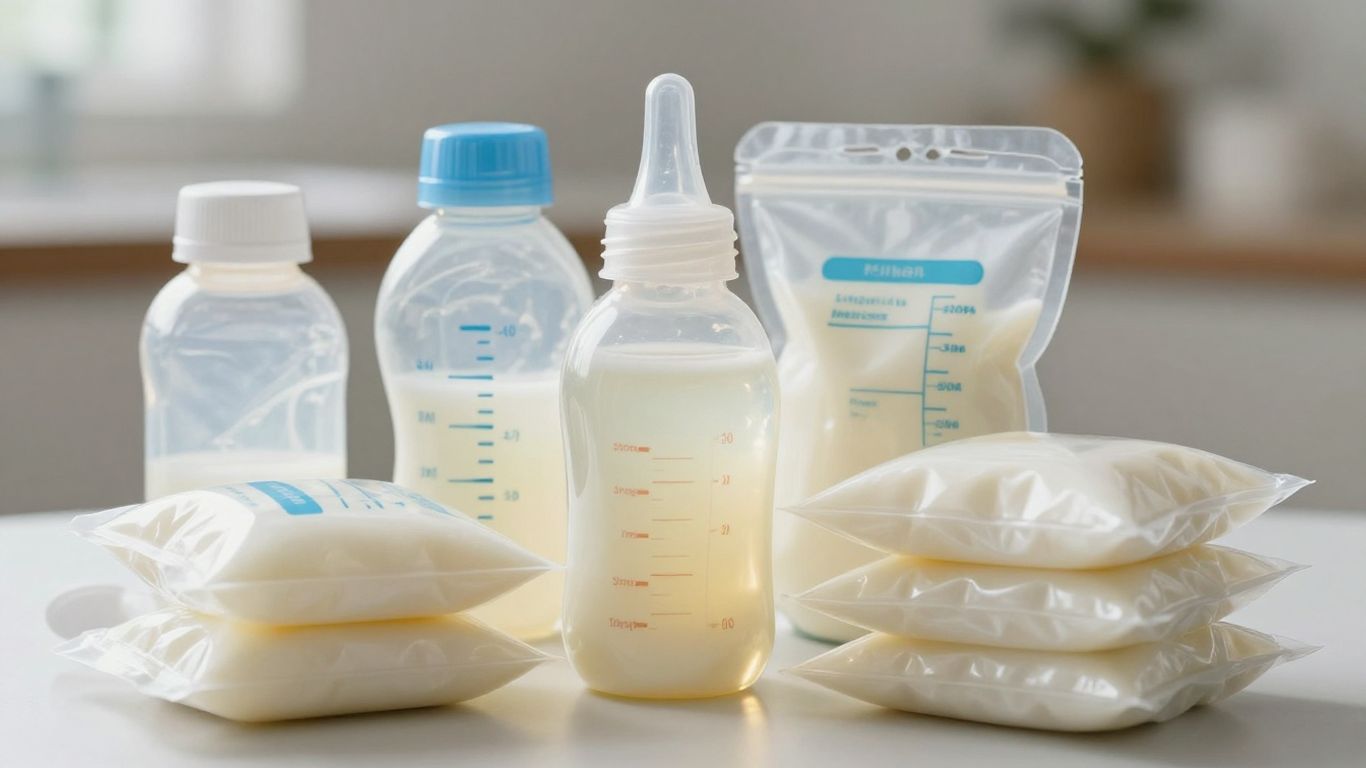
Expressing breast milk is a real labor of love, and keeping that liquid gold safe matters a lot. That's exactly where breast milk storage bags come in, specialized pouches built to hold pumped milk, keep it fresh, and have it ready whenever your baby needs it. Think of them as tiny, sterile refrigerators for the moments you can't nurse directly. They've genuinely changed things for parents heading back to work, sharing night feedings, or just building up a stash for peace of mind.
What are breast milk storage bags?
These bags are made specifically to hold expressed milk, and unlike regular food storage bags, they're built with real hygiene and safety standards in mind. Most are BPA-free plastic, sturdy enough for both the fridge and freezer. The whole point is protecting the milk from contamination and spoilage, so your baby gets everything it has to offer, even when you're not the one feeding them directly.
Key features of quality bags
A few things really separate a good bag from a mediocre one. You want bags that are:
- Durable, so they don't tear easily, especially once frozen
- Leak-proof, this one's non-negotiable, nobody wants spilled milk
- Pre-sterilized, most good bags come this way, saving you a step
- Easy to label, so you can note the date and amount without a fight
- Space-saving, some lay flat, which is a real win for freezer space
The best bags are the ones built specifically for breast milk and held to real safety standards.
Prioritizing safety and hygiene
Safety is genuinely the top priority here, you're feeding this directly to your baby, so it needs to be as clean as possible. Bags designed for breast milk are built to keep bacteria out, usually with secure seals, and it's always worth checking that a bag hasn't been tampered with before you use it.
Storing milk in small portions, 2 to 4 ounces per bag, is a smart habit. You only thaw what your baby will actually drink at one sitting, which cuts down on waste, and smaller bags freeze and thaw faster too. Proper storage is really what preserves the milk's nutritional value, so getting the bags and the process right means your baby gets the best possible nutrition no matter when they end up drinking it.
Choosing the right breast milk bags
So you've decided to pump, and now you're staring down a wall of breast milk storage bags. A little overwhelming, understandably. Picking the right ones is about more than grabbing the cheapest option, it's about protecting the milk you're working hard to provide. Here's what actually matters.
Material and durability
Most bags are BPA-free, which matters a lot, you don't want anything questionable leaching into your baby's milk. Look for bags that feel sturdy rather than flimsy, something that can survive being jostled around in a diaper bag or freezer without tearing. Some bags run thicker than others, and that extra thickness genuinely helps prevent leaks. Worth checking reviews to see which brands actually hold up over time, and stick to bags designed specifically for breast milk, not generic food storage.
Leak-proof seals and tamper resistance
Probably the single most important feature here. A leaky bag means lost milk, and nobody wants that. A solid seal is non-negotiable, many bags use a double zipper or a locking mechanism. If you can, test it, try pushing air into the bag and see if it holds. Tamper-evident seals are a nice extra too, especially if the milk is heading to daycare, since it's real peace of mind knowing nobody's opened it before your baby does.
Space-saving designs for freezers
Freezer space fills up fast, especially once baby gear enters the picture. Bags that lay flat when filled are a genuine lifesaver, they stack neatly, make it easy to see what you've got, and thaw faster too thanks to the flat shape. Some brands even add little notches or guides to help you stack more efficiently. Seems minor, but every bit of organization helps once you're cramming a freezer full.
Exploring eco-friendly options
Most breast milk bags are disposable, but there's a growing shift toward more sustainable choices too. Some brands offer reusable silicone bags you can wash and reuse, a good option if reducing waste matters to you, just make sure they're easy to clean thoroughly so hygiene doesn't slip. If you're sticking with disposables, some brands use less plastic or run recycling programs. It's a personal call either way, but worth knowing the options exist.
Preparing for Pumping and Storage
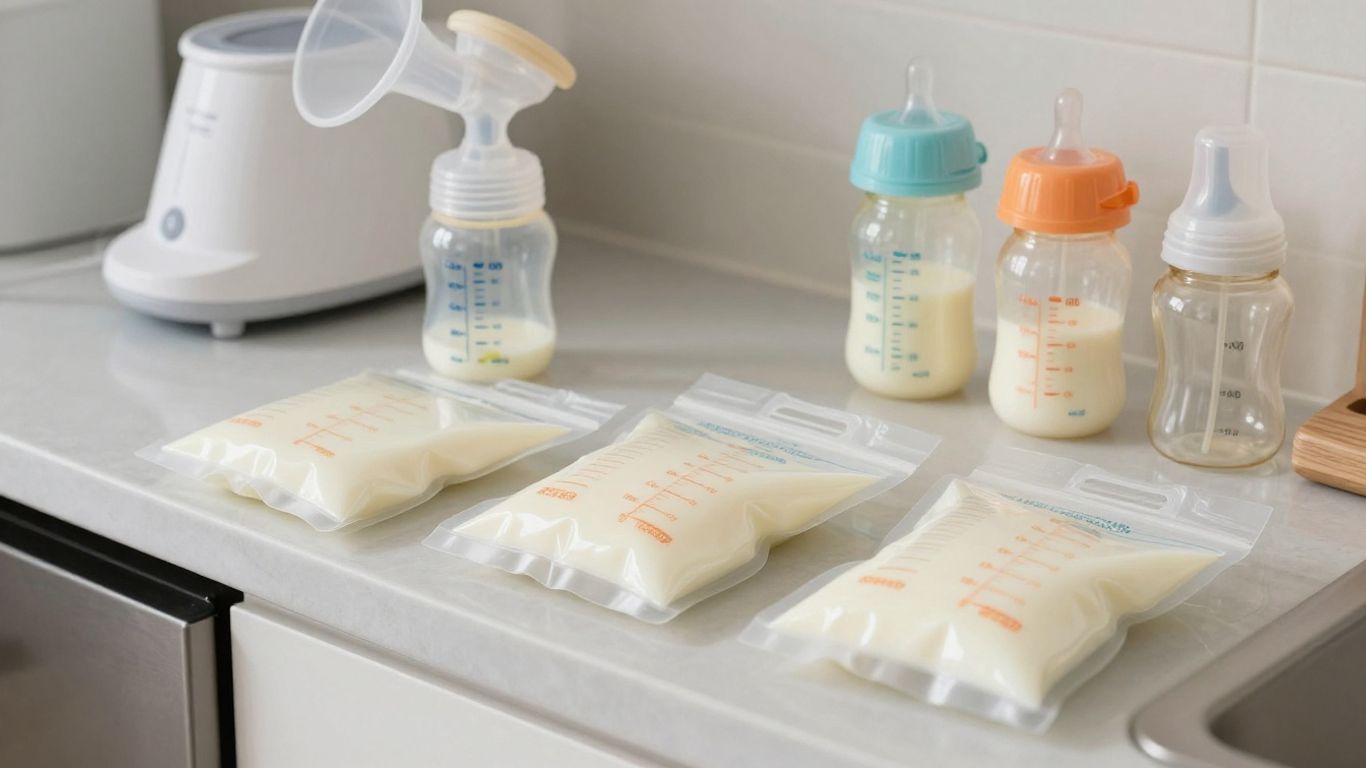
Getting ready to pump and store might feel like a lot at first, but a little prep goes a long way. It's really about making sure the milk you're working so hard to collect stays safe and keeps all its nutrients intact.
Essential preparation steps
Before anything else, wash your hands, scrub well with soap and water. If you're out and can't get to a sink, hand sanitizer with at least 60% alcohol works in a pinch. This one simple step matters more than it seems for keeping the milk clean. Make sure your pump parts are clean and sterilized as needed too, ideally with a regular cleaning routine after each use or at least daily, depending on your pump.
Gathering necessary supplies
Beyond the pump itself, have your storage bags ready to go, and it's smart to have more on hand than you think you'll need, in case you pump more than expected. A permanent marker is worth keeping nearby too, so you can label each bag with the date and, if you like, the time. A small notebook or app for tracking pumped amounts can help you monitor your supply over time as well.
Ensuring a clean pumping environment
Find a quiet, comfortable spot where you can actually relax, stress can genuinely make letdown harder. Keep the surface where you're pumping and filling bags clean, and having a clean towel handy for the occasional drip doesn't hurt. If you're pumping at work, even a designated clean desk space helps. It's also worth minimizing how many times you transfer milk between containers, since that helps preserve fat and calories, pumping directly into storage bags is often recommended if your setup allows it. A little planning here really does make the whole process smoother and less stressful.
Proper pumping and filling techniques
Bags ready, time to actually get the milk into them. A little tricky at first, but it gets easy fast. The main goal throughout is keeping the milk clean and safe.
Pumping directly or transferring milk
Most people find it easiest to pump into the bottles that come with their pump first, giving you a clear container and an easy way to see how much you've collected. Pumping straight into bags can get messy and risks spills or contamination, so pump into bottles first, then carefully pour into your chosen storage bags. Having the bags laid out and ready before you start pumping makes the transfer quick and smooth.
Leaving room for expansion
This step really matters, especially if you're freezing the milk. Liquids expand as they freeze, and a bag filled all the way to the top risks bursting in the freezer, which means a mess and lost milk. Stop pouring about an inch or two from the top to leave room for that expansion. Simple step, but it makes a real difference.
Sealing bags securely
Once you've left that extra space, seal it up. Most bags use a double zipper or a fold-over top with a sticky closure, follow the manufacturer's instructions closely and press firmly along the seal to make sure it's fully closed and airtight. You want to keep air out and milk in. After sealing, a gentle shake mixes any fat that's separated, then label the bag with the date and time pumped so you can track freshness against storage guidelines.
Storing and freezing your breast milk
Milk's pumped, now what? Storing it properly is what keeps it fresh and safe, and once you get the hang of it, it's pretty straightforward.
Refrigeration guidelines
If you'll use the milk within a few days, the fridge works fine. Keep bags in the back rather than the door, the temperature's far more stable there. Refrigerated breast milk generally holds for up to four days, and labeling each bag with the pump date keeps you on top of freshness.
Freezing for long-term storage
Got more milk than you need right away? Freezing is the move. Leave about an inch of space at the top when filling, since liquids expand when frozen and you don't want a burst bag in your freezer. Laying bags flat helps them freeze evenly and stack easily later. Frozen breast milk lasts about six months in a regular freezer, and up to a year in a chest freezer. Keep it toward the back, away from the door, for the most stable temperature.
Optimizing freezer space
Freezing bags flat is the real trick here, once they're solid, they stack like little milk bricks, saving a ton of space and making it easy to see what you've got. If space is really tight, a dedicated chest freezer maintains a colder, more consistent temperature than a standard fridge freezer compartment, ideal for longer-term storage. And again, keep frozen milk toward the back, away from the door.
Thawing and using stored breast milk
Milk's pumped and stored, now it's time to use it. A little nerve-wracking at first, but genuinely simple once you know the rules. The goal is keeping the nutrients intact and the milk safe.
Safe thawing methods
Gentle is the name of the game. The safest method is placing the bag in the fridge overnight, slow and steady, which preserves quality best. In a pinch, a warm water bath works too, just place the sealed bag in a bowl of warm (not hot) water, or hold it under warm running water. Swirl gently before feeding to remix any separated fat.
Recommended thawing methods:
- Refrigerator thawing: place the bag in the fridge, the slowest but safest method
- Warm water bath: submerge the sealed bag in a bowl of warm water
- Warm running water: hold the sealed bag under warm running water
Refrigeration after thawing
Once thawed, use it fairly quickly. Fridge-thawed milk keeps for up to 24 hours in the fridge; milk thawed with a warmer method should be used within a couple of hours. Never refreeze breast milk once it's been thawed, it's just not safe for your baby.
Avoiding microwave heating
Please don't microwave breast milk. It seems like the fast option, but microwaving creates hot spots that can burn your baby's mouth, and it can also destroy some of the milk's beneficial components. Not worth the risk, stick to the gentle thawing methods above.
Traveling with breast milk
Heading out of town with a little one, even for a day trip, can feel like a lot, and breast milk in the mix might seem to complicate things further. It doesn't have to. With a bit of planning, keeping your milk safe is genuinely manageable, whether you're flying, driving, or just out for a long day.
Selecting suitable travel containers
The last thing you want on the move is a leaky mess. For shorter trips, a few good storage bags in your diaper bag are often enough. If you're away from a fridge for a while, bring a small insulated cooler bag along with frozen ice packs to keep things cold. Storage bags are great for travel since they're built for freezing and take up far less space than bottles, and they stack easily too. Always test sealed bags by turning them upside down to confirm they're leak-proof.
- Insulated cooler bag: a must for trips longer than a few hours
- Ice packs: reusable gel packs work well and freeze easily
- Storage bags or bottles: sturdy, reliably sealing containers, bags are the better space-saver
Remember liquids expand when frozen, so leave about an inch of space at the top when filling bags for travel, and handle frozen bags carefully since the plastic can get a bit brittle in the cold.
Transporting frozen milk safely
Getting the milk from point A to point B without spoiling is the whole goal. For car travel, keep the cooler in the coolest part of the vehicle, like the floor. For air travel, the rules are a bit more specific, but breast milk is generally allowed through security. A soft-sided cooler packed with ice or freezer packs helps maintain a safe temperature throughout the trip.
Understanding air travel guidelines
Flying with breast milk is fully allowed by the TSA, good news for traveling parents. The usual 3.4-ounce liquid limit for carry-ons doesn't apply here. Expect a bit of extra screening at security, TSA officers will likely need to test the milk, sometimes with X-rays or other checks. It helps to let the officer know upfront that you're carrying breast milk, and having a printed copy of the TSA guidelines on hand can smooth things over if needed. Your breast pump and its accessories are generally considered medical devices too, so they don't count against your carry-on limit.
Wrapping it up
Picking the right breast milk bags might seem like a small detail, but it genuinely matters for keeping that milk safe. Whether you're heading back to work, traveling, or just building up a stash for late-night feedings, good storage bags make a real difference. Look for bags that seal well, label easily, and fit nicely into your fridge or freezer. It's all about making the breastfeeding journey a little bit easier, and giving your baby the best of what you're providing.
Frequently asked questions
What makes a breast milk bag good?
Good bags are made from safe, BPA-free plastic, strong enough to resist tearing, with seals that close tightly to stop leaks. Bags that stand up on their own or lay flat are especially useful, since they make storing and thawing a lot easier.
How do I make sure my breast milk is stored safely?
Always wash your hands before handling milk and bags. Use bags made specifically for breast milk, clean and ready to go. Label each bag with the date pumped. Store in the fridge for up to 4 days, or the freezer for longer. Make sure seals are tight to prevent spills and contamination.
Can I pump milk straight into the storage bag?
It's usually better to pump into a bottle first, then pour into the storage bag. This helps prevent spills and gives you more control over how much goes into each bag. Pumping directly into bags can get messy and sometimes seals less reliably.
How much milk should I put in each bag?
Smaller amounts, 2 to 4 ounces per bag, work best. That way you only thaw what your baby will actually drink, cutting down on waste, and smaller bags freeze and thaw more quickly too.
What's the best way to thaw frozen breast milk?
The safest method is placing the frozen bag in the fridge overnight. If you need it sooner, hold it under cool running water, then warm water. Never use a microwave, it heats unevenly and can destroy important nutrients.
Can I take breast milk on an airplane?
Yes. Breast milk is allowed in carry-ons even beyond the usual liquid limits. Just make sure the bags are well-sealed, and consider a cooler bag with ice packs to keep everything cold during the flight. It's always worth checking the airline's specific rules before you go.
About the author
Ana Popescu – Mom, Former Daycare Owner & Early Childhood Expert
Ana is a mom of two, former daycare owner, and experienced school teacher. She specializes in early childhood care and development, offering practical advice on baby care, toddler behavior, and child growth. At JustBaby Luv, Ana combines her personal and professional expertise to support families and help them thrive in the early years.