



Baby Essentials Checklist for Every New Parent

Baby essentials aren't just items on a checklist. They're practical, safe, adaptable tools that support daily routines, feeding, sleep, hygiene, all of it. Choose with quality and usability in mind, and you cut down on stress and skip a lot of unnecessary purchases. A well-planned essentials set saves space too, and makes the transitions easier as your baby grows. Use the guidance below to build a foundation you can actually rely on.
Updated on: 2026-04-15
Table of Contents
Baby Essentials: How to Build a Smarter Kit From Day One
Choosing baby essentials can feel overwhelming at first. Long lists everywhere, strong opinions, recommendations that seem to change every week. But honestly, the most effective approach is focusing on a small set of high-value categories that reinforce everyday care. Baby essentials should help you handle common tasks with less friction, more confidence, better organization. That's really it.
In practice, a reliable essentials kit covers hygiene, feeding reinforce, comfort, safety basics, clothing for quick changes, and practical storage. It also needs a system for carrying items outside the home. When those pieces actually work together, you spend less time searching and more time attending to your baby. It goes deeper than that.
Myths vs. Facts
-
Myth: You need everything immediately.
Fact: Start with a core set, then expand based on your baby's routine and your living setup. -
Myth: More features always mean better value.
Fact: Prioritize usability, durability, and maintenance. Features that complicate cleaning become a burden fast. Think about what that means. -
Myth: Any storage solution is fine.
Fact: Practical organization reduces missed items and helps keep feeding and hygiene items separate. -
Myth: Clothing quantity is the only measure of preparedness.
Fact: Quality fabrics, easy changes, and weather-appropriate layers usually matter more than sheer volume. -
Myth: All "eco friendly" products are automatically safe and efficient for every family.
Fact: Evaluate materials, care requirements, and fit. Sustainability is one element, not a complete substitute for performance. The numbers back this up.
Core Categories That Cover Most Daily Needs
To build baby essentials that actually serve you, group items by the tasks you repeat most. This method creates clarity and prevents duplicates. Below are practical categories covering 5 different types of routines.
1. Hygiene and Changing Basics
And that's just the start. Hygiene essentials usually form the center of your daily workflow. You want items that make changes faster and more consistent, especially during those late-night routines. Consider keeping a dedicated area for wipes, diaper supplies, and minimal sanitation accessories. A good setup improves safety and helps maintain cleanliness across spaces. When organizing hygiene items, there should be easy access. You should reach what you need without searching for it. You should also have a simple way to manage used materials and keep clean items separated.
2. Feeding Support
Feeding support includes storage, prep tools, and on-the-go coverage. The key is having a plan for both at home and outside it. Many parents prefer a compact organization system that fits naturally into their changing bag workflow. It helps to pick items that are easy to clean and easy to pack too. Feeding-related baby essentials should reinforce the actual pace of your day. If the items require complex assembly, frequent hand cleaning, or awkward packing, you'll feel that friction every single time you feed.
3. Comfort and Sleep Routine Underpin
It goes deeper than that. Comfort essentials usually include bedding choices, soft clothing layers, and a consistent strategy to settling your baby down. A consistent routine often reduces uncertainty. Instead of buying a bunch of random options, aim for comfort items that match your environment's temperature and integrate well into your sleep space.
Look for materials that feel gentle, with care requirements you can actually maintain long term. Over time, you'll appreciate items that stay soft after repeated washing and fit easily as your baby grows.
4. Clothing for Quick Changes
Think about what that means. Clothing is one of the most visible parts of baby essentials, and also one of the easiest categories to overbuy. Avoid clutter with a rotation approach: fewer pieces worn more confidently, plus a minimal buffer for laundry cycles. Prioritize clothing that supports quick dressing. Easy-opening designs, breathable fabrics, straightforward layers, all of it makes a noticeable difference. Choosing neutral colors and reliable fits also streamlines packing for outings.
5. Safety Basics and Daily Preparedness
The numbers back this up. Safety essentials aren't only about larger equipment. They involve everyday habits too, keeping limited items out of reach, securing changing areas, storing supplies in predictable spots. The best safety plan is the one you'll actually follow consistently. Worth thinking through travel too. You may need a way to carry hygiene and feeding items quickly while keeping everything organized. A structured carry system often supports safer, more controlled movement between rooms or during outings.
Personal Experience
When I helped organize baby essentials for a family member's first nursery setup, the biggest shift was moving from "buying everything" to "building a system." The initial impulse was purchasing a large variety of items across many categories. But as we mapped out the daily routine, we noticed the same few tools kept getting used repeatedly, while a lot of specialty items just sat unused. So we rebalanced the essentials set. Reduced duplicates, standardized storage, picked a carry option built for quick access. This made changes faster and cut down on the need to leave the room hunting for missing supplies. It also improved cleanliness by keeping used materials and clean items in separate zones. That experience reinforced something worth remembering: baby essentials work best when they simplify the routine. Parents don't need maximum variety. They need dependable organization and consistent usability. That's not the only factor.
A Practical Method to Assemble Your Essentials Kit
If you want a structured way to decide what to purchase, use this sequence. Built to be evergreen, works across different household routines.Step 1:
Identify your top three daily tasks. Most families focus on changing, feeding, and sleep underpin. It goes deeper than that.Step 2:
Choose one dependable storage method for each task area. Containers, compartments, or organized stations all reduce searching.Step 3:
Select a small set of versatile clothing layers. Plan for laundry cycles rather than buying maximum quantity right away.Step 4:
Evaluate travel readiness. Decide what needs to fit in a carry system when you leave the home. Think about what that means.Step 5:
What to Look for When Choosing Quality
Quality isn't only about brand perception. It's about how items perform across daily use. For baby essentials, prioritize the following: The numbers back this up.
Durability repeated use and washing shouldn't degrade function
Cleaning simplicity you should maintain hygiene quickly without complicated processes
Comfort and fit clothing and soft items should support movement and stay comfortable over time
Organization items should be easy to pack, easy to access, easy to keep separated
Material transparency clear material information supports confident choices
Shopping Paths That Can Help You Narrow Options
If you prefer starting with curated selections, internal shopping routes can reduce decision fatigue. Look at exploring a dedicated vendor catalog, then narrowing by category and storage needs. And that's just the start.
Browse JustBaby Luv collections
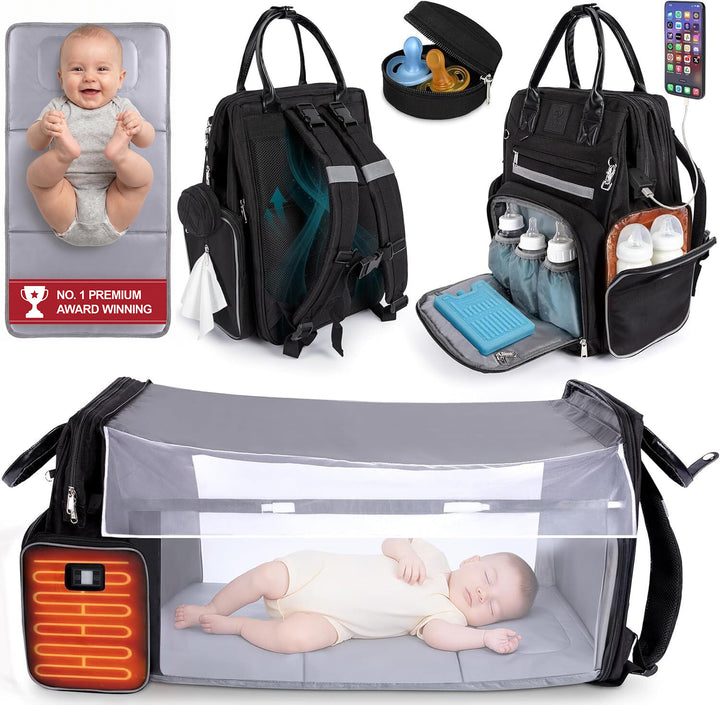
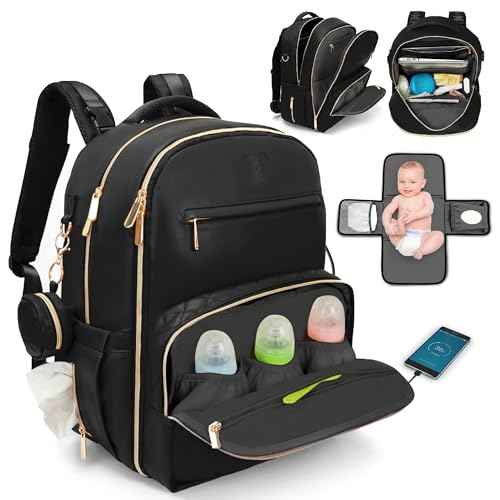
For families wanting a more organized method to outings, a structured diaper bag can reinforce quick access to changing and feeding essentials.
See an organized diaper backpack option
Final Thoughts & Takeaways
Building baby essentials doesn't call for buying everything at once. The best outcomes come from choosing items that reinforce a consistent routine, simplify daily tasks, and actually fit your home layout. Target categories like hygiene, feeding underpin, comfort, clothing for quick changes, and safety basics, and you create a foundation that scales right alongside your baby. Use the myths and facts framework to sidestep common decision errors. Then apply the routine kit method to assemble your essentials set in a way that reduces clutter and improves readiness. With a smarter setup, you gain real confidence and spend more energy on the moments that actually matter.
Q&A
What are the most important baby essentials to buy first?
Start with what supports your daily loop: changing and hygiene supplies, a reliable feeding support method, and a minimal wardrobe focused on comfort and quick dressing. Add storage that keeps those items accessible and separated.
How do I avoid buying too many duplicate items?
The numbers back this up. Use a routine-based approach. Identify your top three repeating tasks and buy fewer items within those categories. After a short stretch of real use, remove rarely used items and prioritize additions that solve a apparent problem, organization gaps, inconvenient packing, that kind of thing.
Are eco-friendly baby essentials always the best choice?
They can be a strong choice when materials and care requirements match your needs. But sustainability should complement performance, durability, and comfort, not replace them. Check whether the item stays efficient after washing and fits your actual daily workflow. And that's just the start.
What should I look at for baby essentials when going out?
Plan for travel readiness. Choose a carry system that supports quick access to hygiene and feeding items and keeps clean and used materials separate. Make sure you can pack and retrieve essentials without unpacking everything each time.
Disclaimer: This article provides general guidance for selecting baby essentials. It does not replace professional medical advice, safety instructions from manufacturers, or guidance from qualified healthcare providers.
About the author
Ana Popescu – Mom, Former Daycare Owner & Early Childhood Expert
Ana is a mom of two, former daycare owner, and experienced school teacher. She specializes in early childhood care and development, offering practical advice on baby care, toddler behavior, and child growth. At JustBaby Luv, Ana combines her personal and professional expertise to support families and help them thrive in the early years.
The content in this blog post is intended for general information purposes only. It should not be considered as professional, medical, or legal advice. For specific guidance related to your situation, please consult a qualified professional. The store does not assume responsibility for any decisions made based on this information.